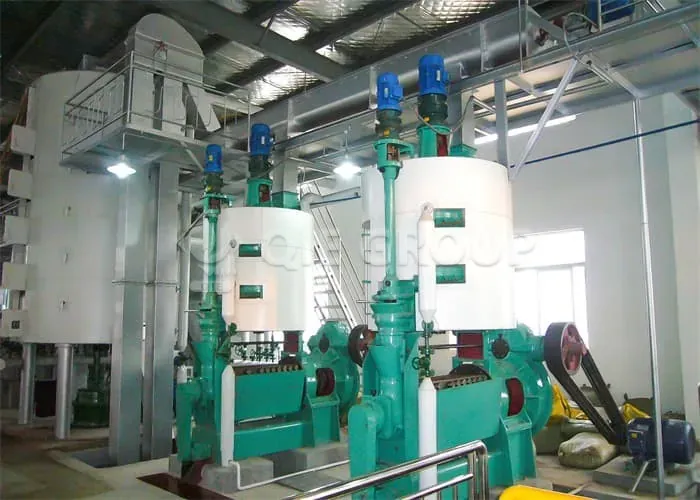
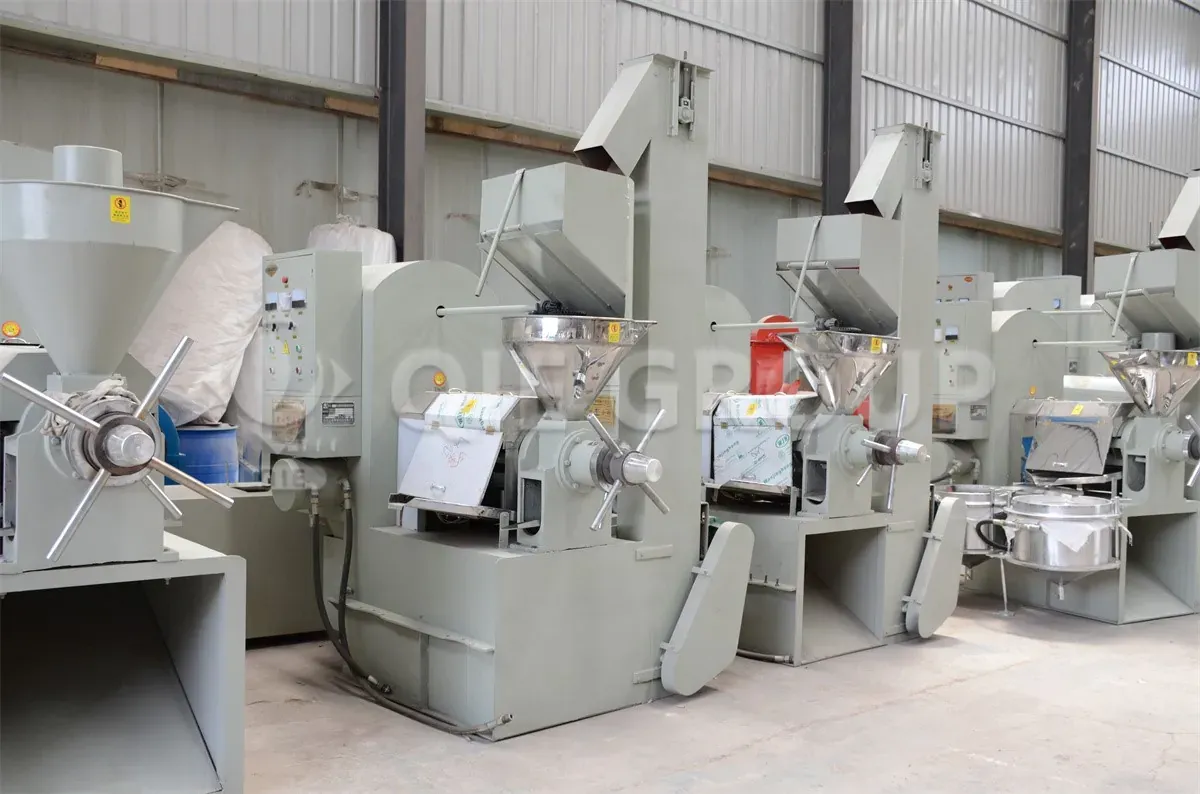
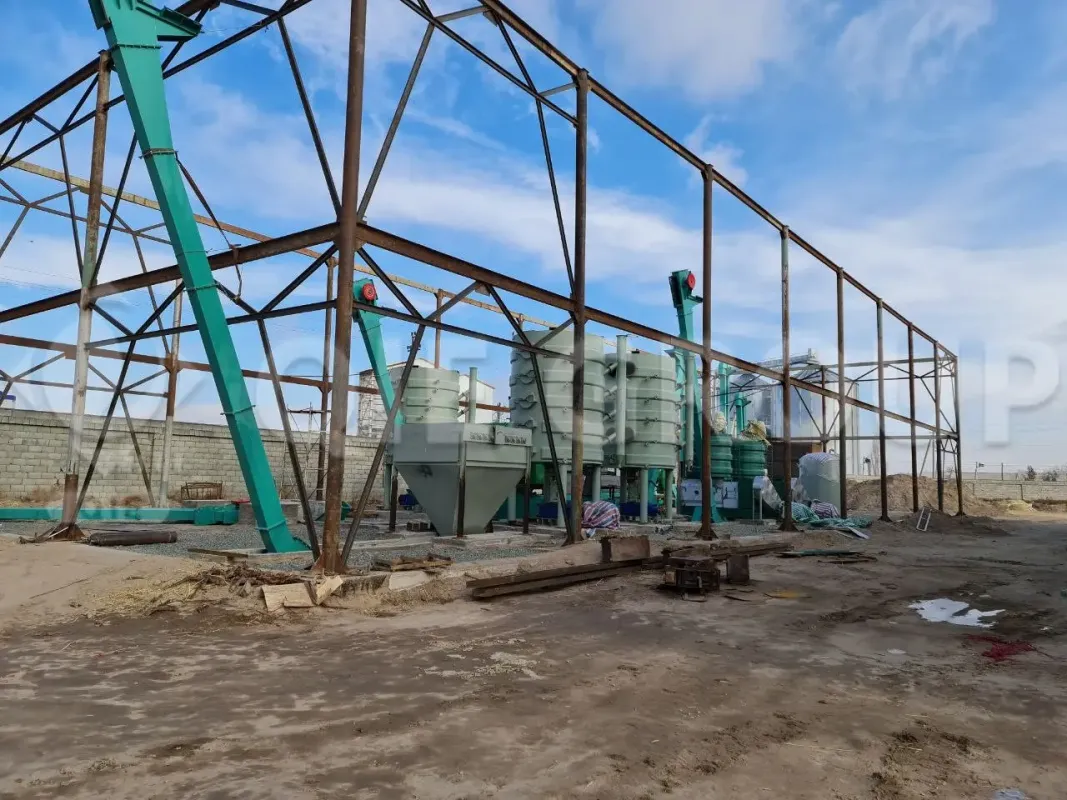
Why does your mustard oil investment always exceed your budget? "The same equipment, yet the price difference is three times?" "Production capacity meets targets, but actual returns are discounted?"—These pain points stem from the blind spot of understanding that price ≠ overall cost and production capacity ≠ stable returns. This article, by engineering experts from QIE Group, will break down the real logic of industrial-grade investment for you.
In the 2026 oil processing market, automation will no longer be an "option," but a moat for profitability.
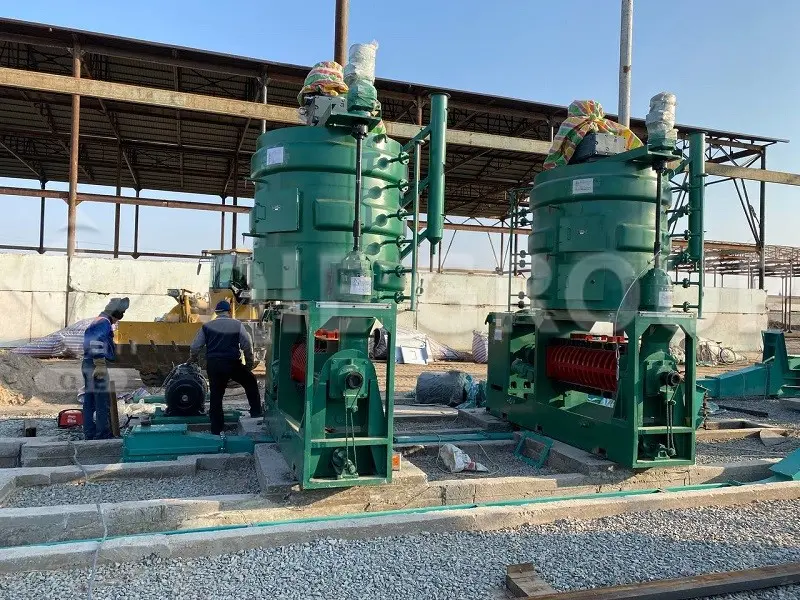
| Production Capacity Scope (TPD) | Typical configuration | Price range (USD) | Key Explanation |
|---|---|---|---|
| Small devices (5–20 TPD) | Oil press + simple filter | $7,000 – $40,000 | Suitable for startup investors, compact equipment |
| Medium-sized production line (20–100 TPD) | Fully automatic: Pre-processing (cleaning/crushing/steaming) + pressing + centrifugal filtration + temporary oil storage tank | $80,000 – $400,000 | Suitable for medium-sized oil plants, with a high degree of automation |
| Large-scale fully automated production line (100 TPD+) | Complete plant EPC: Pretreatment + Pre-pressing + Solvent Leaching + Refining + Filling | $400,000 – $1.5M+ | Industrialized turnkey projects |
💡Experts warn: Although the initial cost difference between purchasing a single main unit and a complete production line solution is significant, the hidden losses of the former usually outweigh the investment in the complete production line after 12 months.
As an engineering expert, I must remind you that the processing route for mustard seeds, which have an oil content of about 35%-42%, directly determines the payback period.
Pure pressing process: suitable for applications below 100 TPD. Residual oil content in the cake is typically 6%-8%.
Pre-compression + solvent extraction process: suitable for plants with a throughput of 100 TPD or higher. Residual oil can be reduced to below 1%, which, for large plants, translates to pure profit for the 5% oil loss.
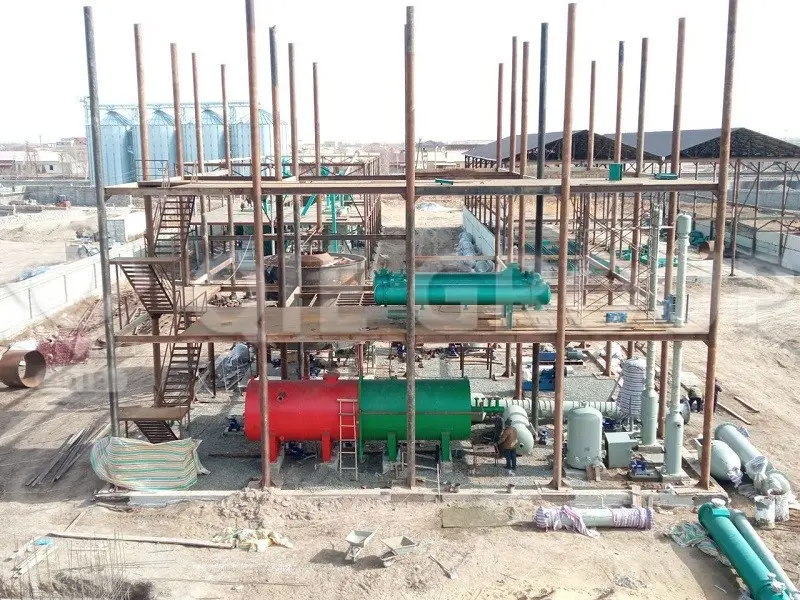
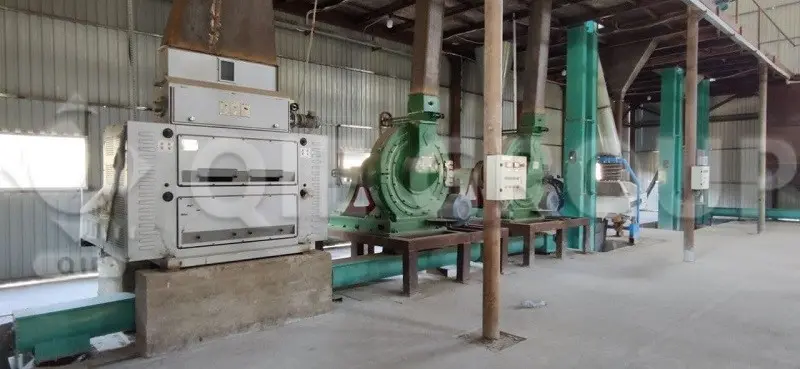
Is pricing opaque? The key lies in understanding the factors driving costs:
Monthly net cash flow = (Production × Oil extraction rate × Oil price + Oilseed meal revenue) - (Raw material cost + Electricity consumption + Labor + Downtime losses)
Q1: Why is there no pre-processing in the low-price quote?
Mustard seeds contain mud and sand, which will wear down the press screw if not cleaned; without rolling the seeds, the leaching efficiency will be low. The lack of pretreatment means high maintenance costs later on.
Q2: Is solvent extraction oil safe?
Completely safe. Modern DTDC solvent removal systems can reduce solvent residues to below safe levels, and the extracted cake is a high-value feed.
Q3: Are cold-pressing and hot-pressing equipment interchangeable?
The main unit is the same, but the front end is different. Hot pressing requires a steaming and frying pan to increase output, while cold pressing requires a temperature control system to preserve flavor.
Tell us your target total production capacity (TPD), oil content of raw materials, and whether refining is required. QIE Group can provide: solution process + BOM list + investment payback period calculation.
Request the feasibility report for the mustard oil project immediately. 350
|
350
|
 Oil pressing equipment
Oil extraction efficiency
Edible Oil Processing
Return on investment of oil mill
Oil yield
140
|
sunflower seed oil press machine
sunflower oil pressing line
sunflower oil extraction machine,
edible oil press machine
sunflower oil press machine
115
|
rice bran oil pre-pressing
stabilization
screw press design
extraction plant engineering
oilseed pre-treatment
412
|
Palm Kernel Oil Production Line
Oil Processing Equipment
Palm Kernel Oil Press
Palm Kernel Oil Refining
Palm Kernel Solvent Extraction
225
|
soybean oil pressing
oil yield optimization
edible oil processing
soybean oil production line
crude oil quality
Oil pressing equipment
Oil extraction efficiency
Edible Oil Processing
Return on investment of oil mill
Oil yield
140
|
sunflower seed oil press machine
sunflower oil pressing line
sunflower oil extraction machine,
edible oil press machine
sunflower oil press machine
115
|
rice bran oil pre-pressing
stabilization
screw press design
extraction plant engineering
oilseed pre-treatment
412
|
Palm Kernel Oil Production Line
Oil Processing Equipment
Palm Kernel Oil Press
Palm Kernel Oil Refining
Palm Kernel Solvent Extraction
225
|
soybean oil pressing
oil yield optimization
edible oil processing
soybean oil production line
crude oil quality