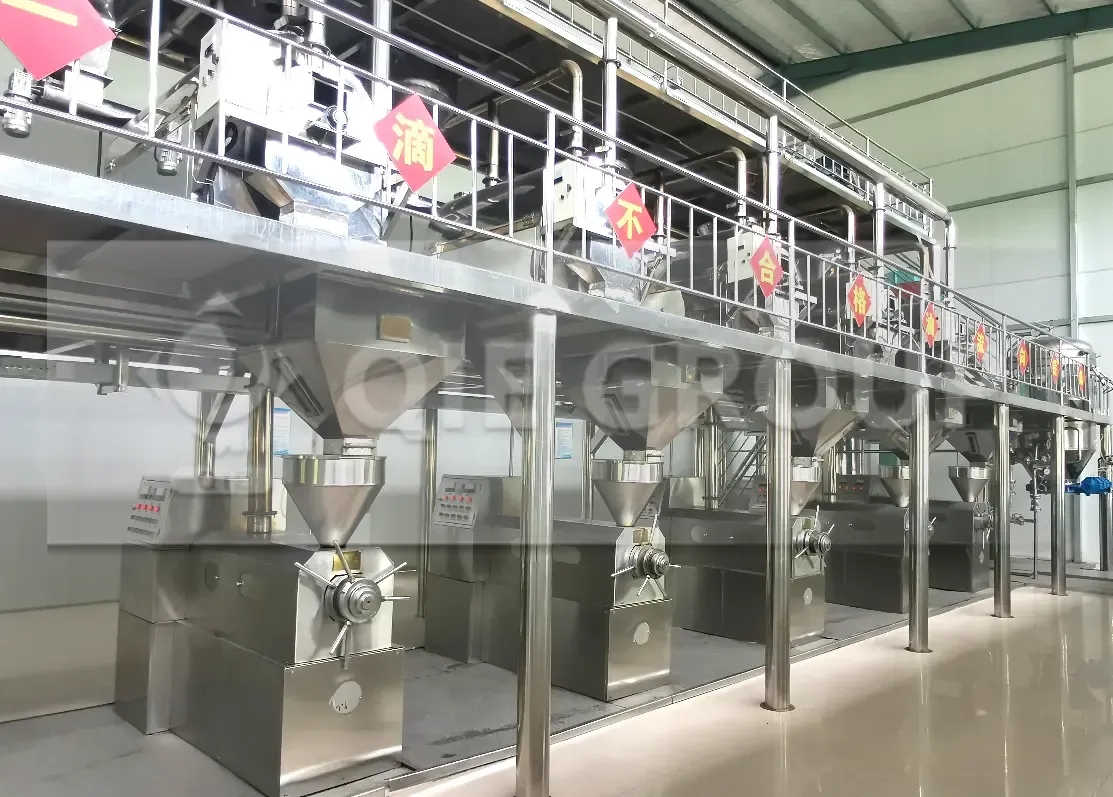
When planning or upgrading a soybean oil pressing line, many plant owners and engineers face a familiar situation: the equipment specifications look advanced, individual machines are well selected, yet after commissioning, operational problems keep appearing.
Typical issues include:
Fluctuating oil yield from batch to batch
Frequent clogging or abnormal wear of the oil press
Dark-colored crude oil with high impurities, increasing refining cost
Energy and labor costs remaining higher than expected
These problems are often blamed on “machine performance” or “operator skills.”However, in real industrial practice, the root cause is rarely a single machine—it is usually a system-level mismatch across the entire process line.
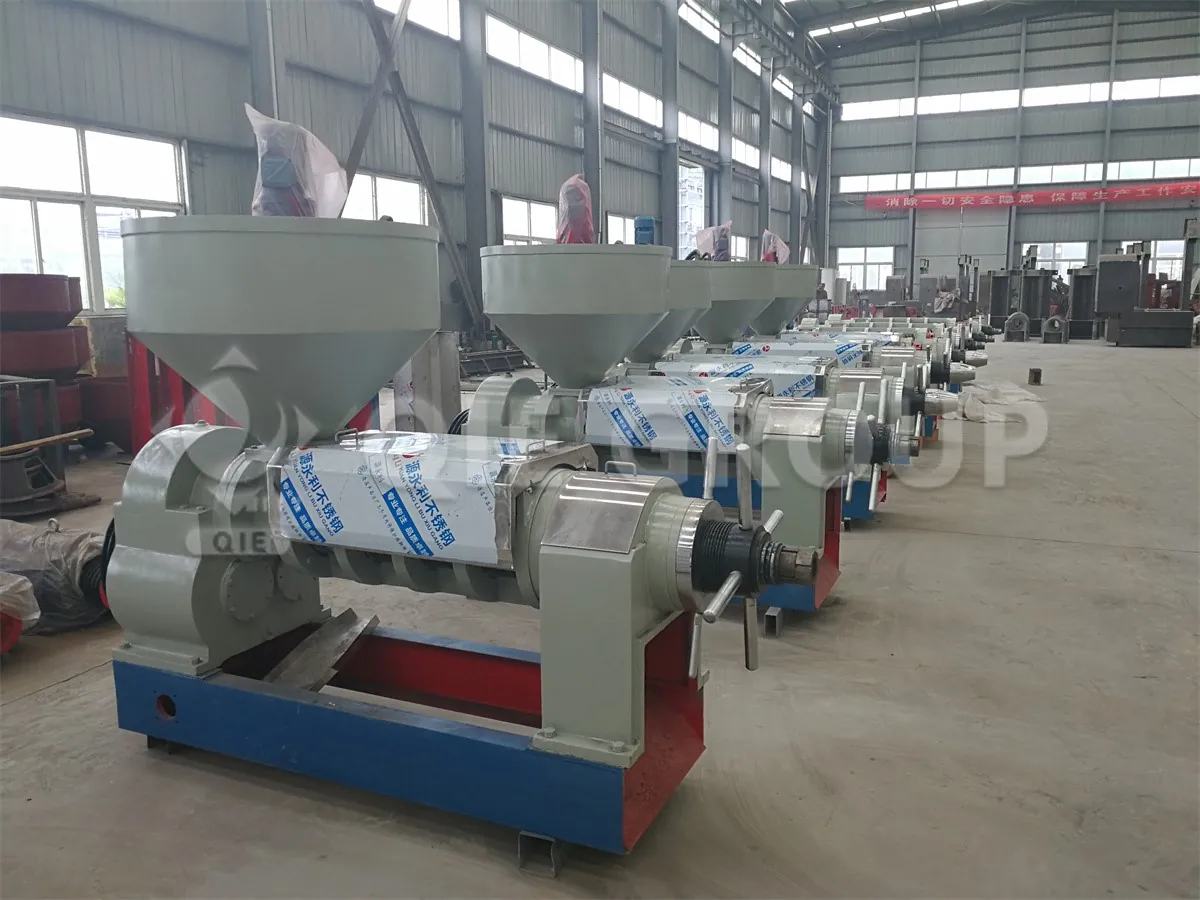
Observed problem: soybeans from different origins and seasons vary significantly in oil content, moisture, and protein level.In many plants, pretreatment and pressing parameters remain fixed for long periods, relying heavily on operator experience.
Engineering risk
Oil yield fluctuations of 2–5% are common
For a plant processing 200–300 tons per day, this translates into measurable annual profit loss
High-protein soybeans increase pressing resistance, leading to frequent clogging and downtime
Engineering experience from QIE Group projects
We have observed the same press model producing oil yield differences of over 3% simply due to changes in soybean origin, with no mechanical failure involved. The issue was not the press—it was the lack of raw-material-adaptive control.
Observed problem: insufficient pretreatment—uneven flake size, improper moisture, or unstable conditioning temperature—leads to inconsistent material plasticity entering the pressing chamber.
Engineering risk
The pressure in the pressing chamber fluctuates significantly, leading to localized overloading and wear of the screw and pressing bars
The oil content in the oil residue is unstable, making it difficult to maintain consistent oil extraction efficiency
The crude oil has a high impurity content, increasing the burden on downstream filtration and refining processes
Engineering judgment: if the pressing section compensates for poor pretreatment by applying excessive mechanical force, equipment wear is not an accident—it is an inevitable outcome.
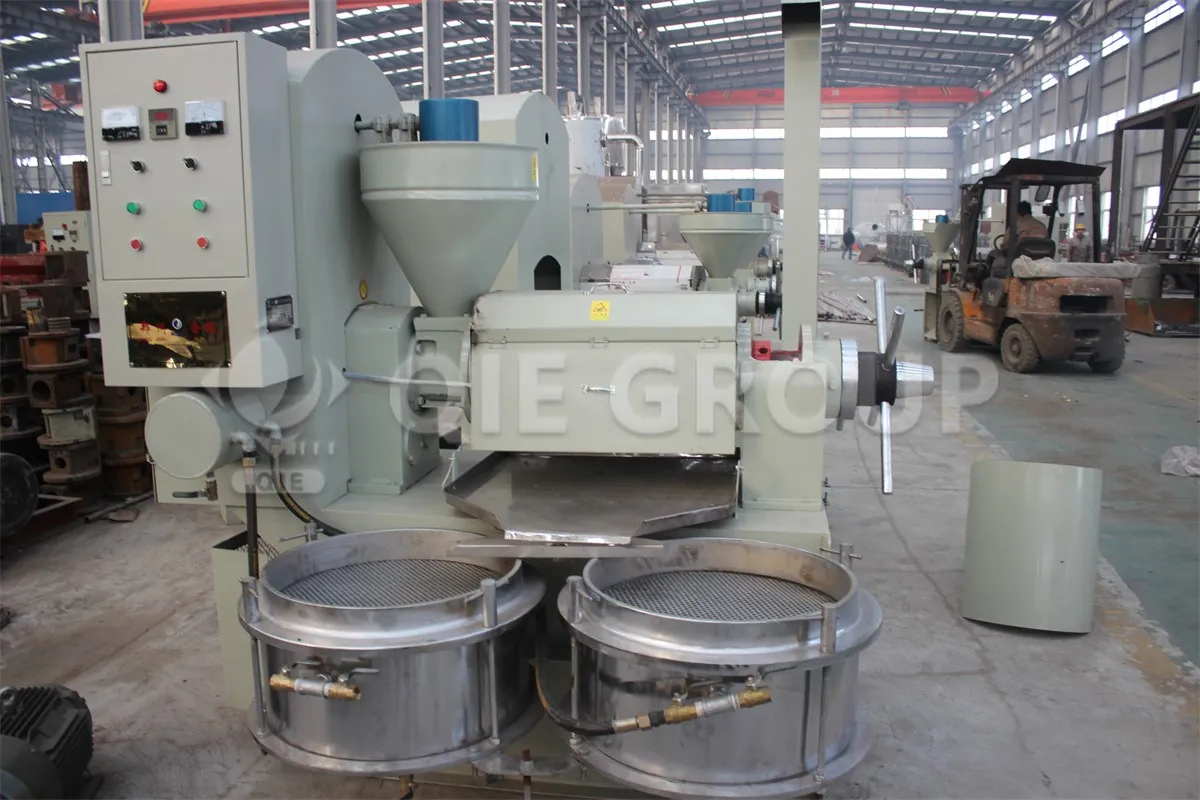
Observed problem: Many projects focus heavily on pressing oil yield, while underestimating the impact of crude oil quality on overall profitability.
Engineering risk
High phospholipid and non-hydratable impurity levels increase degumming difficulty
The consumption of auxiliary materials in the decolorization and deodorization stages has increased significantly
The refining yield decreases, potentially leading to compliance risks
Engineering perspective: Pressing is not “only about extracting oil.”Pressing conditions determine whether refining will be a controlled process—or a continuous firefighting exercise.
Observed problem: Pretreatment, pressing, filtration, and conveying systems operate independently, with limited automation and heavy reliance on manual intervention.
Engineering risk
Energy consumption significantly above industry benchmarks
High dependence on experienced operators
Increased unplanned downtime and longer payback periods
A stable and efficient soybean oil pressing line is not built around a single “high-performance” machine. It is achieved by integrating raw material behavior, process coordination, equipment matching, and control logic into one coherent system—a methodology QIE Group specializes in delivering.
Core approach to raw material variability
Introduce rapid or online analysis tools (e.g., NIR) to identify changes in oil content, moisture, and protein
Adjust conditioning moisture, temperature, and pressing parameters dynamically
Engineering value
Oil yield stability improves despite raw material fluctuations
Reduced reliance on operator intuition
Improved repeatability across production cycles
Pretreatment engineering baseline
The goal of crushing and conditioning is simple but critical: Deliver material to the press that is plastic, uniform, and predictable.
Structural customization
Based on raw material characteristics and capacity targets, optimize: screw geometry, compression ratio, wear-resistant materials
In high-protein soybean projects, using a generic screw design often leads to predictable clogging events rather than occasional operational errors.
Process-level closed-loop control
Real-time monitoring of pressure, temperature, and motor load
Dynamic adjustment of shaft speed and pressing pressure
Avoid continuous operation in high-risk zones
Early clogging warning: By analyzing load and energy trends, clogging risks can be detected early—before forced shutdown occurs.
Key principle: Problems that can be solved in pressing should not be transferred to refining.
By stabilizing crude oil temperature, filtration efficiency, and impurity levels:
Phospholipid content is reduced
Refining chemical consumption decreases
Overall oil recovery improves
Integrated energy systems
Coordinated design of steam, electricity, and thermal oil systems
Recovery of pressing heat and mechanical energy
Overall energy consumption reductions of 10–15% are achievable, depending on project conditions
Smart operation and maintenance
Unified DCS/SCADA platforms
Data-driven predictive maintenance
Reduced unplanned downtime and maintenance cost
Before selecting equipment or finalizing the process route, these questions deserve clear answers:
What is the target daily capacity, and how stable is the soybean supply?
Is the priority maximum oil yield or long-term operational stability?
Is a pressing + solvent extraction combination required?
What crude oil quality limits are acceptable (color, acid value, phospholipids)?
How important are automation level and ease of operation in long-term planning?
Without clarity on these points, even premium equipment may fail to deliver expected results.
The systematic solutions discussed above are mainly suitable for:
Medium to large-scale continuous soybean oil pressing lines
Projects that prioritize stability, energy efficiency, and long-term returns
For small-scale or highly flexible operations, overly complex online control systems may increase operational burden rather than create value.
Successful soybean oil pressing projects are not defined by how many advanced machines are installed, but by whether:
Raw material variability is acknowledged and managed
Process interfaces are engineered, not improvised
Risks are controlled at the design stage rather than corrected after startup
Solving isolated problems rarely eliminates systemic risk.
This is the role of system engineering—QIE Group applies this methodology to transform high-risk, experience-dependent operations into predictable, repeatable, and controllable industrial processes.
QIE Group is an engineering-oriented turnkey solution provider specializing in edible oil processing plants. Rather than supplying individual machines, QIE focuses on system design, process integration, and risk control, turning complex, high-variability oilseed projects into stable, deliverable industrial systems. Our engineering scope covers pretreatment, pressing, solvent extraction, refining, energy systems, and automation, with strong emphasis on long-term operational stability and predictable project outcomes.
 450
|
450
|
 Oil press life
Oil press stability
Screw oil press
Hydraulic oil press
Oil press maintenance
Edible oil processing equipment
Oil press maintenance
Oil press operation precautions
457
|
Hydraulic oil press
Oilseed press
Low-temperature cold pressing technology
Peanut oil
Walnut oil
151
|
Sunflower Seed Oil Press Machine
High quality cooking oil
Screw oil press
Hydraulic oil press
Improved oil quality
174
|
Cottonseed pressing
Multi-stage screw oil press
High-fiber oilseeds
Increased oil yield
residual oil content
455
|
peanut oil press machine
commercial peanut oil production line
peanut oil processing turnkey solutions
peanut oil press machine selection guide
Oil press life
Oil press stability
Screw oil press
Hydraulic oil press
Oil press maintenance
Edible oil processing equipment
Oil press maintenance
Oil press operation precautions
457
|
Hydraulic oil press
Oilseed press
Low-temperature cold pressing technology
Peanut oil
Walnut oil
151
|
Sunflower Seed Oil Press Machine
High quality cooking oil
Screw oil press
Hydraulic oil press
Improved oil quality
174
|
Cottonseed pressing
Multi-stage screw oil press
High-fiber oilseeds
Increased oil yield
residual oil content
455
|
peanut oil press machine
commercial peanut oil production line
peanut oil processing turnkey solutions
peanut oil press machine selection guide