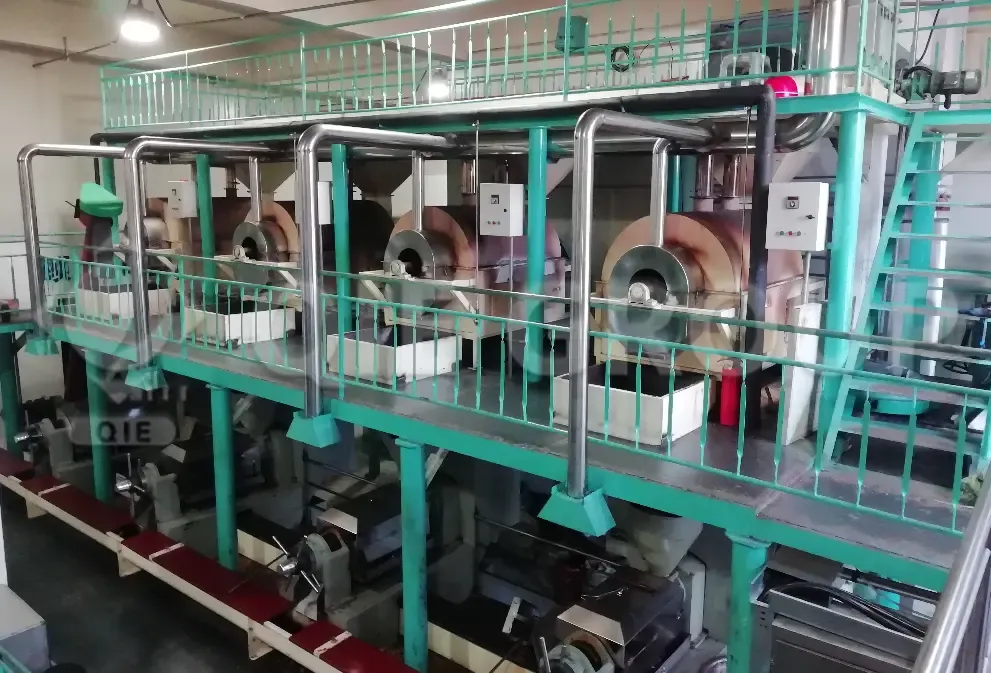
The Impact of Press Optimization on Total Oil Mill Energy Consumption
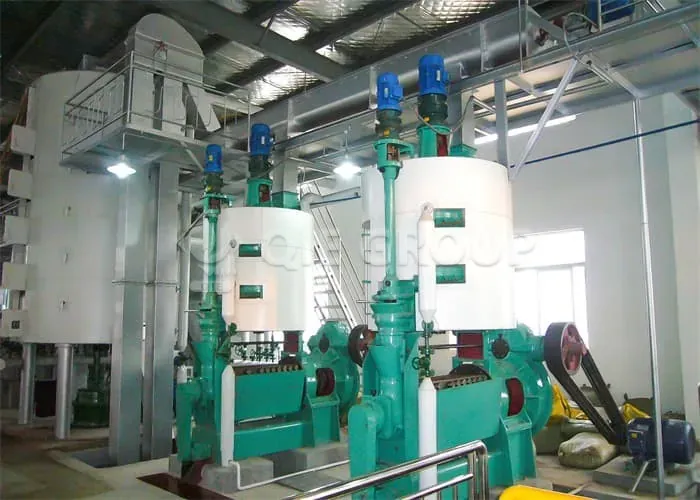
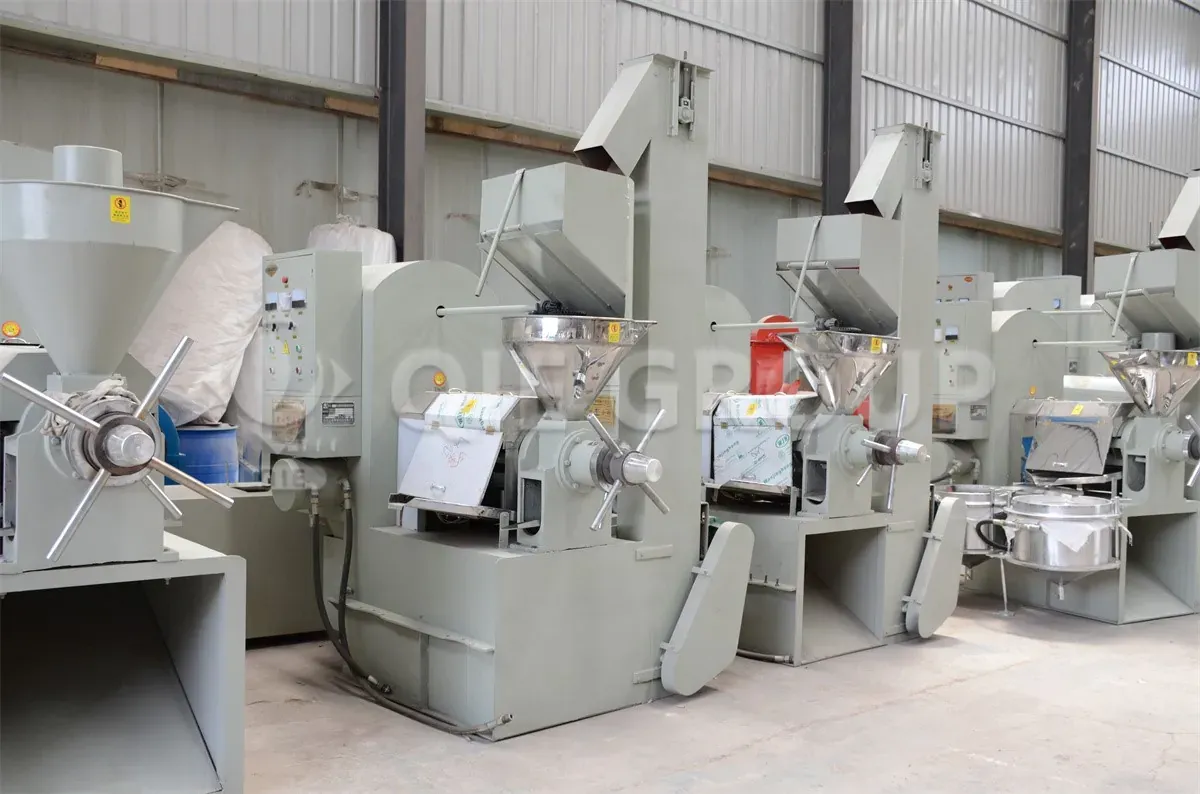
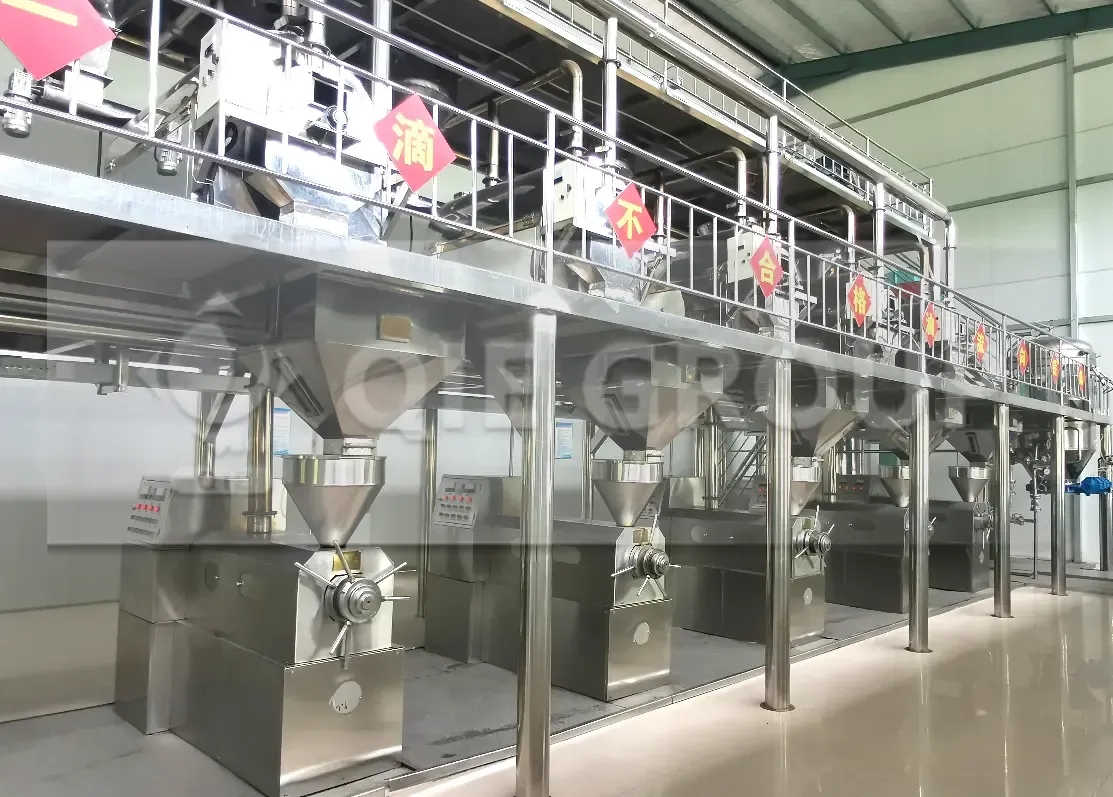
In edible oil processing, the pressing stage plays a critical role in determining oil yield and overall energy efficiency. Poor process optimization and inadequate maintenance of the pressing system can increase electricity and steam consumption, reduce production efficiency, and accelerate equipment wear.
Unplanned downtime in the pressing workshop not only interrupts the production process but also increases maintenance costs, reduces productivity, and affects the stability of the entire oil production line.
Extending the service life of a screw oil press through proper operation, preventive maintenance, and optimized process control is an effective way to reduce a mill's Total Cost of Ownership. It also helps maximize equipment value, improve long-term operational reliability, and enhance Return on Investment.
Four Core Elements Governing the Lifespan of a Screw Oil Press
• Design & Metallurgy (The Innate Foundation): The base material selection and heat treatment protocols of critical components (such as pressing screws, cage bars, and the main shaft) determine the upper boundary of the machine's wear resistance and fatigue limit.
• Installation & Assembly Precision (The Primary Safeguard): Static assembly precision directly impacts dynamic operation. Main shaft coaxiality deviation, parallelism errors between the gearbox and main shaft axes, and unstable foundations will exacerbate operational vibrations, accelerating the fatigue failure of heavy-duty bearings and oil seals.
• Physical Characteristics of Oilseeds (External Challenges): High-hardness fibers from unhulled pressing (e.g., sunflower husks, cottonseed husks) and entrained abrasive silt particles exert severe erosive wear on the surfaces of pressing screws and cage bars under high-temperature and high-pressure environments.
• Standard Operating Procedures & Preventive Maintenance (Post-Purchase Management): Non-standard cold hard-starts and shock loads caused by fluctuating feed rates are the primary "chronic diseases" that drastically shorten equipment life.
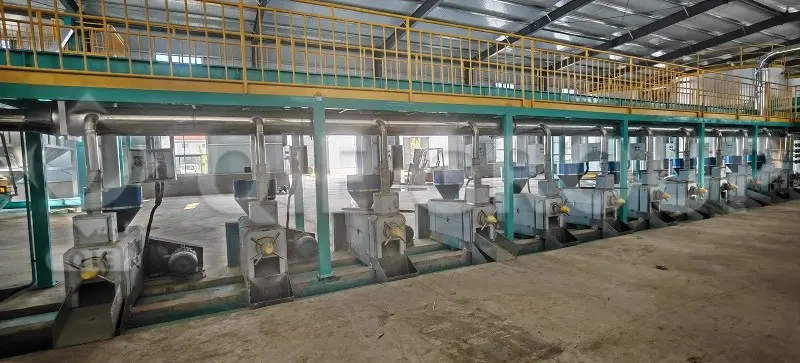
Five Major Wear Mechanisms Leading to Premature Press Failure
1. Mechanical Shock & Overload: Foreign materials, excessive feed rates, or improperly conditioned raw materials may cause chamber pressure to exceed the design limit, increasing the risk of screw, shaft, and gearbox damage.
2. Thermal Stress Malfunction: Excessive temperatures may reduce component clearances and increase thermal stress, while insufficient temperatures reduce material plasticity and increase pressing resistance.
3. Lubrication Failure: Insufficient lubrication or degraded lubricant quality can cause excessive friction, leading to bearing overheating and premature failure.
4. Seal Wear and Material Leakage: Worn shaft seals allow oil and fine particles to enter the bearing housing, forming abrasive deposits that accelerate bearing wear.
5. Progressive Wear of Screws and Cage Bars: Continuous friction gradually enlarges the clearance between screws and cage bars, reducing pressing efficiency, increasing power consumption, and raising the residual oil content of the press cake.
Standard Operating Procedures (SOP) for High-Standard Operations
Scientific Startup & Dynamic Load Management
✔
No-Load Startup: Before starting the main motor, ensure that no blockage or abnormal resistance exists inside the pressing chamber. The machine should be started under no-load conditions. Once operation stabilizes, feed material gradually using a variable-frequency feeder to avoid sudden impact loads.
✔
Load Control: It is recommended to maintain stable operation within 80%–90% of rated load. Prolonged overload operation should be avoided.
Critical Process Parameter Control
✔
Moisture & Temperature Conditioning: Moisture content is typically maintained at 6%–9%, depending on oilseed type and pre-treatment conditions. Pressing temperature is generally controlled at 110°C–130°C for hot pressing after conditioning.Improper control of moisture or temperature may lead to material slipping, blockage, or increased wear on screw and cage components.
✔
Temperature Rise Monitoring: Main bearing temperature rise should be controlled within 35°C above ambient temperature. Bearing temperature is generally not recommended to exceed 75°C–80°C, while gearbox oil temperature should be kept below 65°C to ensure stable operation.
💡 Engineering Hint
It is recommended to install magnetic separators and vibration cleaning systems before the feeding section. Metal impurities in raw materials are one of the major causes of early wear and surface pitting on screw components.
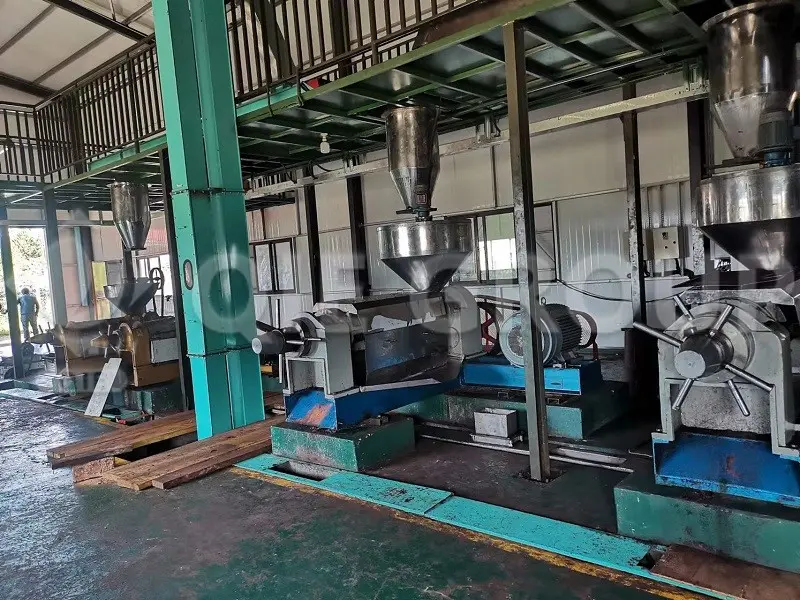
Preventive Maintenance Checklist
| Frequency |
Inspection Item |
Technical Standards & Requirements |
Personnel |
| Daily |
Visual Seals, Dynamic Load, Cake/Oil Physical Profile |
Inspect all static sealing points of the frame, shaft end, and gearbox for seepage; record main motor current; observe cake continuity, thickness, and oil clarity. |
Shift Operator |
| Weekly |
Cage Bar Oil Drainage Gaps, Drive Tension |
Clean accumulated meal between cage bar gaps to prevent pressure build-up and oil pathway blockage; inspect drive belt tension (clear acoustic tone upon tapping, no signs of slippage). |
Workshop Mechanic |
| Monthly |
Gearbox Lubrication, Feed Shaft Flights |
Check lubrication oil for metal powders or emulsification; top up heavy-duty gear oil based on the sight glass; measure the wear profile of the feed conveyor edges. |
Mechanical Tech |
| Quarterly |
Main Shaft Tolerance, Wear Measurement |
Utilize dial indicators to measure axial play and radial runout of the main shaft; disassemble and measure the wear depth of the first two stages of the pressing screws. |
Equipment Eng |
| Annual |
System-Wide Overhaul, Precision Realignment |
Execute full disassembly and chemical cleaning; mandate replacement of all seals and high-risk bearings; utilize laser alignment tools to recalibrate the coaxiality between the gearbox and main shaft. |
Chief/Mfg Eng |
Tailored Pressing Strategies for Varied Oilseed Characteristics
Soybeans:
Soybeans are hard spherical materials that generate relatively high friction in the pressing chamber, especially in the high-pressure zone. Pre-treatment such as crushing, dehulling, and proper conditioning is essential for stable operation.
Wear-resistant screw materials with hardness up to HRC 58–62 are commonly used to improve durability under continuous operation. 👉 (Common Soybean Oil Pressing Problems and Systematic Solutions)
Sunflower Seeds & Peanuts:
Sunflower seeds contain hulls with abrasive mineral components that may accelerate wear of cage bars. A high hulling rate (typically above 90%) is recommended to reduce mechanical abrasion. Reinforced or wear-resistant cage bar designs are commonly applied.
Peanuts have high oil content, which may lead to oil backflow or pressure build-up if discharge gaps are not properly designed. Therefore, proper adjustment of pressing chamber clearance is important for stable operation.
👉 (Methods to Improve Peanut Oil Yield)
Rice Bran:
Rice bran is a fine powder material with high oil content and complex physical properties, including waxes and fibrous components. It requires effective conditioning to ensure stable extrusion.
It is also prone to screw sticking under improper operating conditions, so a customized screw design with optimized compression ratio and feeding structure is typically required to ensure continuous operation.
Lifecycle & Inventory Strategy for Core Consumables
Scientific Replacement Criteria
Wear parts such as screw shafts and pressing cage bars are typically recommended for replacement when:
- Screw outer diameter wear exceeds 8%–10% under standard operating conditions
- Or when there is a noticeable increase in residual oil in the cake during normal operation
Timely replacement helps maintain stable oil yield and prevents further damage to the pressing chamber.
The "Complete Set Replacement" Rule
For stable operation, screw and cage components are generally recommended to be replaced as complete matched sets rather than individually.
Mixing new and worn parts may lead to uneven pressure distribution, increased vibration, and additional stress on the main shaft over time.
Smart Inventory Procurement
For continuous production stability, a structured spare parts strategy is recommended:
- Keep a 2–3 month safety stock of high-frequency consumables such as oil seals and sealing rings
- Plan procurement of major wear assemblies (such as screw sets and cage bars) in advance to ensure stable operation and reduce downtime risk
A balanced inventory approach helps maintain uninterrupted production and reduces unexpected maintenance delays.
Significance of Advanced Design and Manufacturing Processes Against Wear
Specialty Alloys & Heat Treatment
High-quality screw presses are manufactured using wear-resistant alloy steels such as Cr12MoV and 20CrMnTi. After advanced heat treatment processes like vacuum carburizing and quenching, the screw and cage achieve a surface hardness of HRC 58–62, with a hardened layer depth of approximately 1.5–2 mm, significantly improving wear resistance and service life.
Precision CNC Machining
Key components such as the main shaft and gearbox housing are processed using high-precision CNC boring and milling machines in a single setup. This ensures stable assembly accuracy and keeps coaxiality within an acceptable industrial tolerance range, reducing vibration and improving long-term operational stability.
Modular Configurations
Modern screw presses often adopt a modular or split cage design with inspection access points, allowing easier maintenance and replacement of wear parts. This design reduces downtime, simplifies servicing, and helps avoid precision loss caused by repeated full disassembly.
Procurement Assessment Checklist: Quantifying Long-Term Asset Value
1. Structural Rigidity & Material Redundancy: Verify the steel plate thickness of the main frame, the service factor of the gearbox (which should be no less than 2.0), and the rated static load capacity of the main thrust bearings.
2. Guaranteed Wear Life: Demand that the manufacturer explicitly state the rated throughput tonnage lifespan of the screws and cage bars under standard raw material conditions to calculate the exact consumable cost per ton.
3. Digitalized Warning Systems: Confirm whether the machine comes pre-installed with bearing temperature sensors (PT100) and main motor current transmitters, enabling real-time data streaming to the mill's Central Control Room (PLC).
4. Engineering Delivery Capabilities: Evaluate if the vendor possesses comprehensive crushing and pressing workshop EPC Turnkey Project capabilities, combined with a swift, international spare parts response network.
Technical Expert Interaction & FAQ
Q1 The press cake outlet suddenly begins emitting smoke accompanied by a sharp, burning odor. What is the immediate emergency operating procedure?
A: This condition usually indicates localized overheating caused by material blockage inside the press chamber.
Immediate actions:
(1) Stop the feeding system immediately, but keep the main motor running under normal load conditions (unless abnormal noise or overload occurs).
(2) Adjust the cake outlet gap to reduce internal pressure.
(3) Feed a small amount of conditioned or higher-moisture material to help cool and clear the chamber.
(4) Once current stabilizes, discharge becomes normal, and smoke disappears, stop the machine for inspection of moisture and conditioning conditions.
Q2 How can an operator precisely diagnose the location and severity of internal screw wear simply by inspecting the physical shape of the discharged cake?
A: The cake appearance reflects internal pressure distribution and wear conditions:
(1) Uneven or tile-shaped cake → possible misalignment or uneven wear at the discharge ring.
(2) Loose cake with raw particles → wear in the feeding or pre-compression section, resulting in insufficient pressure build-up.
(3) Thin cake with high residual oil and feed backflow → severe wear in the high-pressure screw and discharge area, reducing final compression efficiency.
Q3 What are the fundamental differences in mechanical component wear and lifespan when running a "Cold Pressing" process versus a "Hot Pressing" process?
A: The two processes subject the machinery to entirely distinct wear mechanisms and component lifespans:
(1)
Cold Pressing: Higher mechanical resistance due to unconditioned seeds leads to increased screw and cage wear and shorter consumable life.
(2)
Hot Pressing: Reduced mechanical load due to conditioning improves wear conditions, but increases thermal stress on bearings, seals, and lubrication systems.
Summarily, Cold pressing mainly causes mechanical wear, while hot pressing mainly challenges thermal stability and sealing performance.
Conclusion & Industrial Action Plan
Extending the service life of a screw oil press is not a standalone quick fix, but a lifecycle system engineering framework encompassing rigorous technical auditing during procurement, meticulous process control (moisture, temperature, load) during daily production, and a scientific spare parts safety stock. Implementing this high-precision management plan will allow oil mills to significantly delay major overhaul cycles, consistently secure a low residual oil rate, and maximize long-term profitability.
If you are planning a greenfield edible oil extraction project or seeking to technically upgrade the energy and wear performance of your current pressing lines,
QIE Group is dedicated to providing you with comprehensive technical support ranging from single-machine selection and conditioning process design to complete plant EPC Turnkey Projects. We stand ready to ensure your oil mill operates with long-term, high-efficiency stability.
Optimize Your Oil Mill Efficiency Today
Reduce your operational downtime and mechanical wear. Contact QIE Group's engineering specialists for custom crushing chamber configurations and complete EPC turnkey solutions.
© 2026 QIE Group. All technical data is bound by dynamic operating baselines.

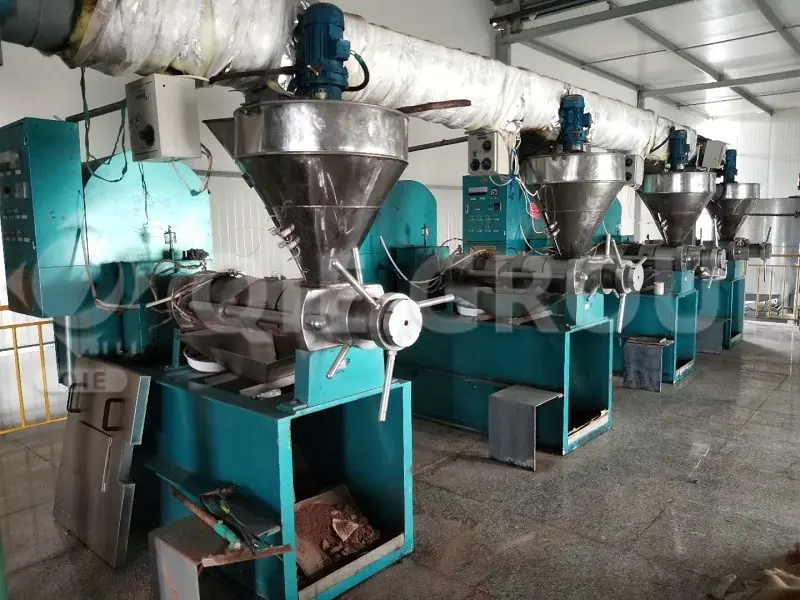
 241
|
241
|
 Small vegetable oil pressing line
Edible oil processing plant equipment
Vegetable oil pressing plant
Complete oil pressing production line
Turnkey oil press project
Small vegetable oil pressing line
Edible oil processing plant equipment
Vegetable oil pressing plant
Complete oil pressing production line
Turnkey oil press project