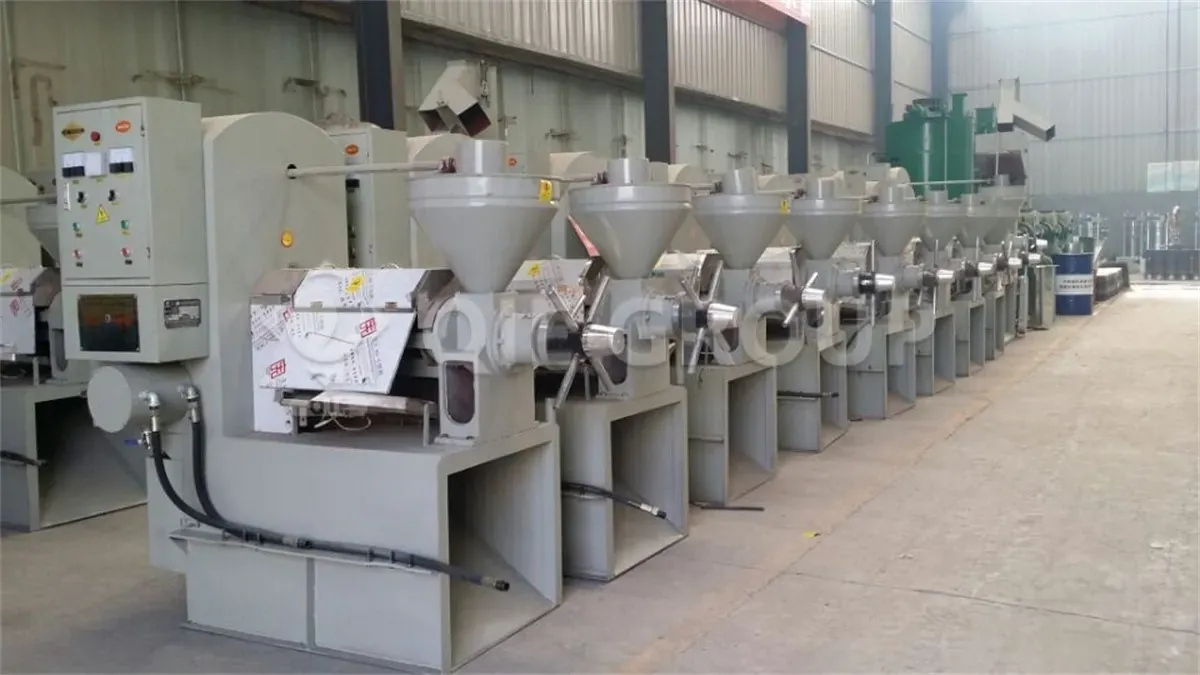
As the global edible oil market continues to shift toward health-oriented and value-added products, flaxseed oil is steadily evolving from a niche functional oil into a category with scalable production and brand potential.
However, during real project implementation, many investors and plant owners encounter the same challenge:
Using the same flaxseed raw material, why do different processing routes lead to completely different acid values, sensory profiles, and levels of bioactive compounds?
The answer lies not in the raw material itself, but in the oil extraction and processing route.
As a long-term provider of integrated edible oil engineering solutions, QIE Group emphasizes that the core of flaxseed oil processing is not simply maximizing oil yield, but achieving a precise balance between nutritional retention and scalable production efficiency.
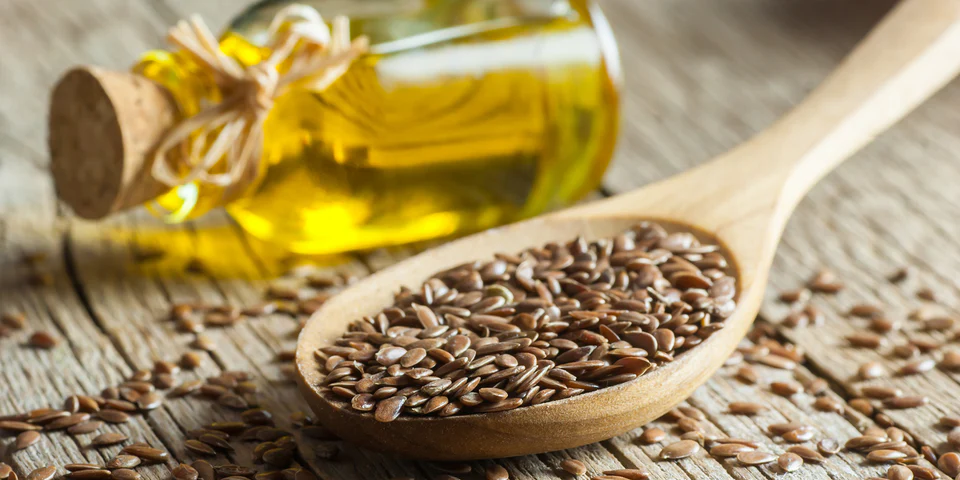
Compared with conventional oilseeds such as soybean or rapeseed, flaxseed exhibits several processing-critical characteristics:
If processing conditions are not properly controlled, flaxseed oil is prone to:
For this reason, flaxseed oil cannot be processed using a generic oil pressing approach. Instead, the extraction route must be selected based on clear market and business objectives.
Based on long-term engineering practice and operational data accumulated by QIE Group, the key differences among the three mainstream flaxseed oil processing routes are summarized below:
| Parameter | Pure Low-Temperature Cold Pressing | Conventional Hot Pressing | Pre-Pressing & Solvent Extraction |
|---|---|---|---|
| Pressing temperature | < 60 °C | 100–120 °C | Pre-press 80 °C / Extraction 55 °C |
| Residual oil in cake/meal | 7-10% | 5%–6% | < 0.5% |
| ALA retention | ≥ 95% | 85%–90% | Depends on refining depth |
| Oil color | Light golden, clear | Dark yellow to brown | Crude oil requires deep refining |
| Core value | Bioactivity, premium nutrition | Rich flavor, stable sales | Cost efficiency, bulk supply |
From an engineering perspective, none of these routes is inherently “better.” The real difference lies in what kind of product you intend to sell—and to whom.
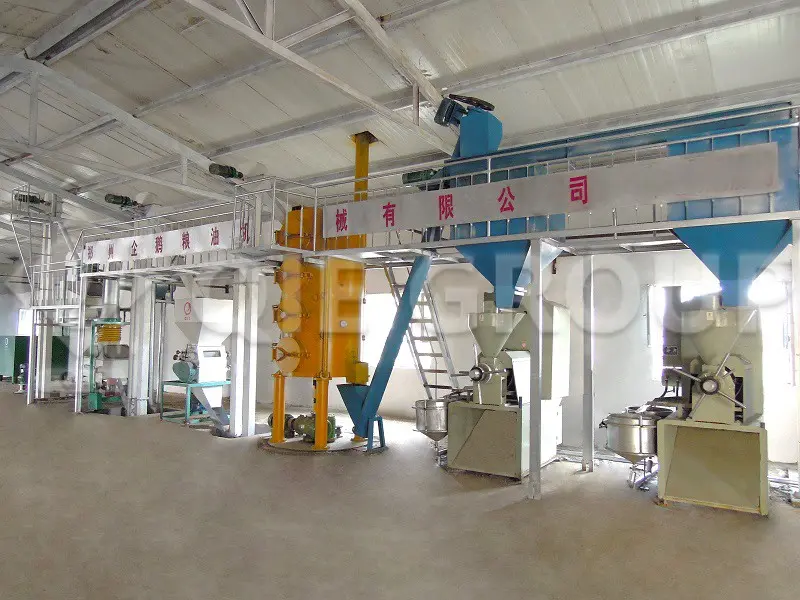
Cold pressing is not merely “low temperature.” It represents a systematic bioactivity protection strategy.
Technical core:
QIE Group optimization approach:
We recommend integrating nitrogen blanketing protection in the cold pressing section to effectively prevent oxidative degradation of α-linolenic acid during the critical extraction phase, resulting in significantly lower peroxide values.
Suitable product positioning:
📌 If your objective is brand premium and nutritional differentiation rather than volume, cold pressing is effectively the only viable route.
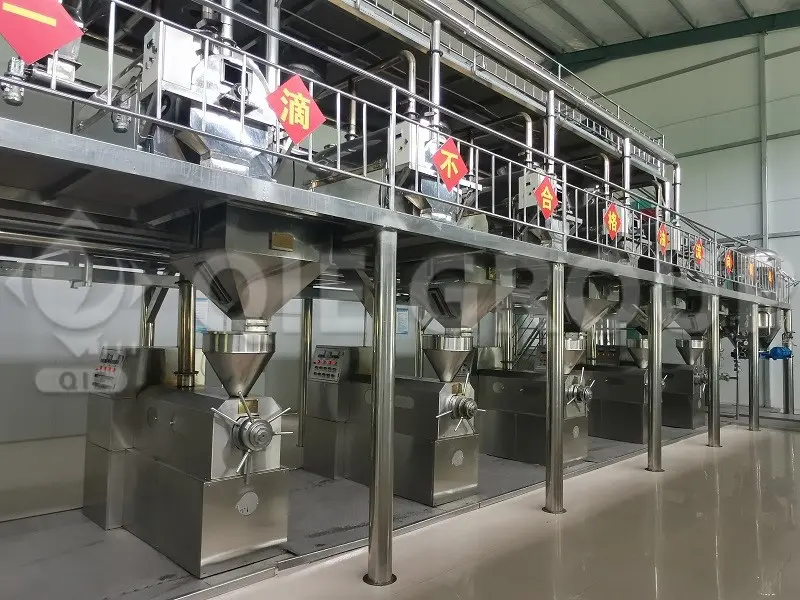
Hot pressing is often misunderstood as excessive heating. In reality, it is a controlled thermal activation process.
Technical core:
Flavor formation logic:
Moderate high temperatures promote the release of sulfur-containing compounds and flavor precursors, generating the nutty aroma preferred in traditional consumption markets.
Suitable product positioning:
📌 For projects focused on stable cash flow and operational reliability, hot pressing remains a mature and cost-effective option.
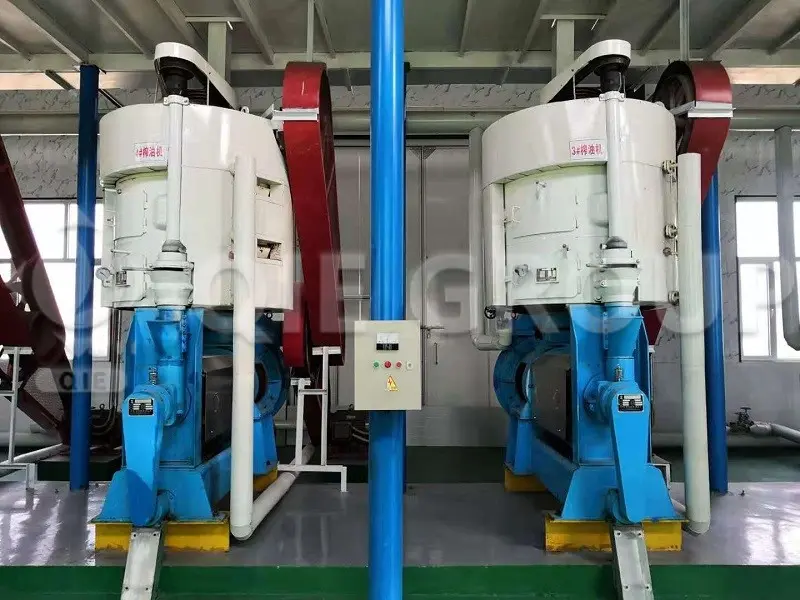
When daily processing capacity exceeds 30 tons, residual oil losses from pressing alone become economically significant.
Technical core:
Integrated revenue logic:
Solvent extraction is not only about oil recovery. The resulting high-protein defatted meal, with protein levels exceeding 30%, offers strong downstream value in feed and plant protein applications.
Suitable product positioning:
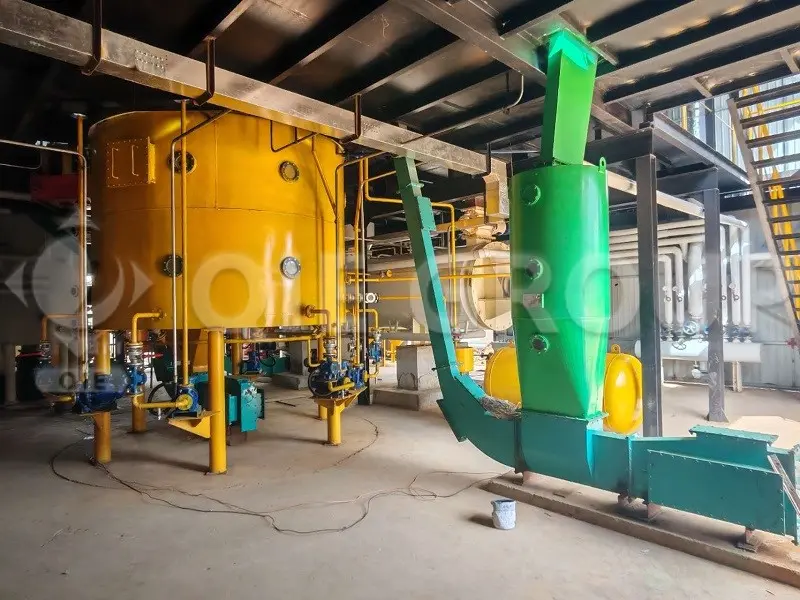
Many flaxseed oil projects encounter quality issues only after pressing is completed.
At QIE Group, we emphasize that:
📌 Pressing defines yield, but refining defines product success.
Key refining considerations include:
From an edible oil engineering standpoint, processing route selection is not a purely technical choice—it is a business strategy decision:
A successful flaxseed oil project is never about purchasing a single machine.
From raw material cleaning and temperature-controlled pressing to precise refining and quality stabilization, every process deviation ultimately appears on the balance sheet.
📌 QIE Group delivers not just equipment, but deterministic returns—from raw material intake to finished product on the shelf.
Contact QIE Group to obtain your customized flaxseed oil processing solution
 450
|
450
|
 Oil press life
Oil press stability
Screw oil press
Hydraulic oil press
Oil press maintenance
Edible oil processing equipment
Oil press maintenance
Oil press operation precautions
169
|
Large screw oil press
Energy saving in peanut oil plants
Processing of high oil content raw materials
Low residual oil technology
Application of oil pressing equipment
139
|
sunflower seed oil press machine
sunflower oil pressing line
sunflower oil extraction machine,
edible oil press machine
sunflower oil press machine
271
|
Cold pressed walnut oil equipment
Hydraulic oil press
High-efficiency oil press
Food grade stainless steel press
Small factory oil pressing solution
456
|
peanut oil press machine
commercial peanut oil production line
peanut oil processing turnkey solutions
peanut oil press machine selection guide
Oil press life
Oil press stability
Screw oil press
Hydraulic oil press
Oil press maintenance
Edible oil processing equipment
Oil press maintenance
Oil press operation precautions
169
|
Large screw oil press
Energy saving in peanut oil plants
Processing of high oil content raw materials
Low residual oil technology
Application of oil pressing equipment
139
|
sunflower seed oil press machine
sunflower oil pressing line
sunflower oil extraction machine,
edible oil press machine
sunflower oil press machine
271
|
Cold pressed walnut oil equipment
Hydraulic oil press
High-efficiency oil press
Food grade stainless steel press
Small factory oil pressing solution
456
|
peanut oil press machine
commercial peanut oil production line
peanut oil processing turnkey solutions
peanut oil press machine selection guide