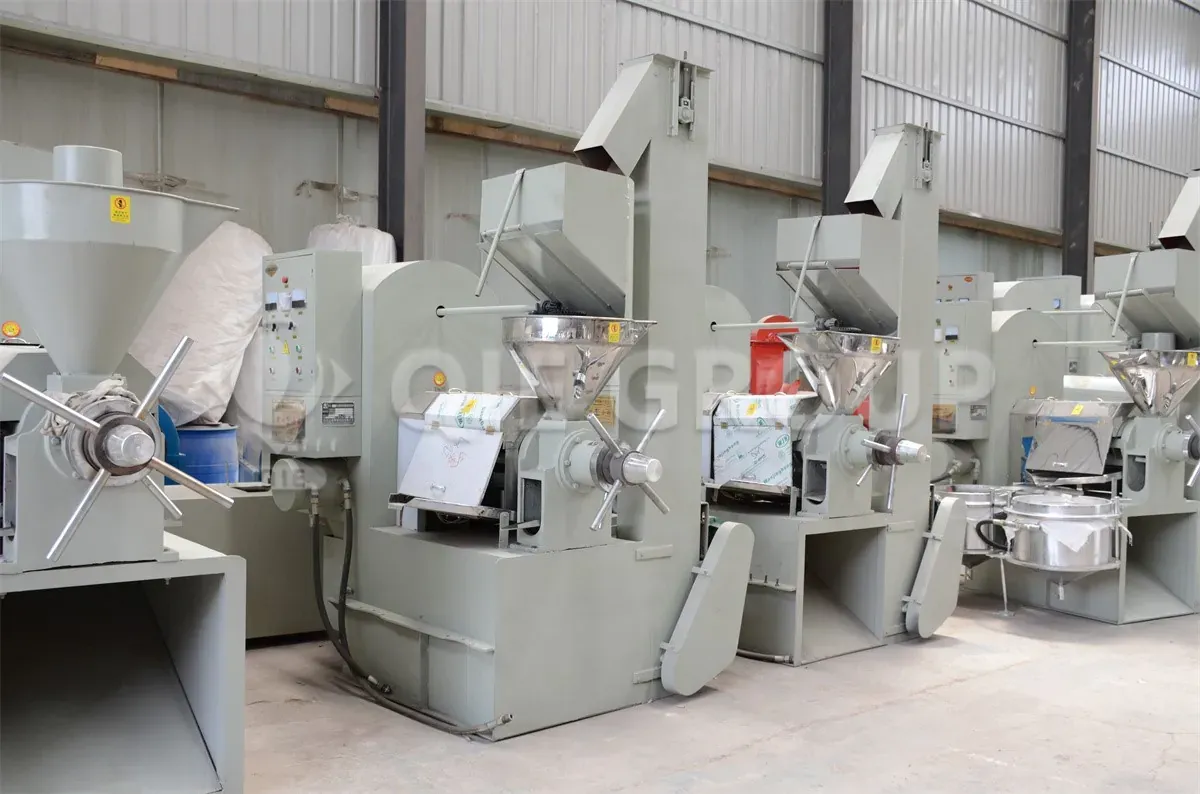
For factory managers, project leaders, and procurement decision-makers planning to build or upgrade an edible oil plant, choosing the right oil press machine is a critical step that can determine the success of the project. With a wide range of oil production equipment on the market, the question always arises: Should you choose a low-cost machine or invest in one with higher oil yield?
The answer is not simply one or the other. It is a comprehensive decision that affects long-term profitability, raw material utilization, and return on investment. This article will help you make a scientifically informed choice by analyzing costs, oil yield, technical factors, and real-world cases.
During project planning, clients often ask:
“Our budget is limited. Should we choose cheaper equipment or a more efficient one?”
“Will a few extra percentage points in oil yield really make a significant difference in profits?”
“What if the machine wears out after two years? Will maintenance costs eat into profits?”
At the heart of these questions is the balance between short-term investment and long-term output. An oil press machine is not only the "heart" of a production line but also directly affects raw material utilization, energy consumption, labor costs, and the competitiveness of the final product.
Low-cost equipment may save money initially, but low oil yield can lead to higher costs in the long run.
Example: Small scale oil plant, 10 tons/day processing (peanuts or soybeans)
Raw material price: $822/ton
| Machine | Oil Yield | Daily Oil Output | Daily Extra Revenue (Oil price $1,644/ton) |
|---|---|---|---|
| A | 38% | 3.8 tons | — |
| B | 42% | 4.2 tons | 0.4 tons × $1,644 ≈ $658 |
Annual extra revenue (300 days/year): $197,260
Even if Machine B costs $41,000–$68,500 more initially, the additional revenue can pay back the investment in one year and continue generating profit afterward.
💡 Every 1% increase in oil yield translates into measurable economic benefits.
High-efficiency machines are essentially profit-driven investments, not mere costs.
Oil yield depends on multiple technical aspects:
Pressing structure: Double-screw designs create a more uniform pressure gradient than single screws, improving oil extraction efficiency
Materials & heat treatment: High-strength alloy steel for shafts, pressing rings, and cages ensures wear resistance and consistent clearance
Temperature control: Proper screw pitch design optimizes friction-generated heat, reducing oil viscosity and improving flow
Automation level: Modern oil presses adjust feed rate and cone pressure in real-time, minimizing human error
💡 These technical details determine the true cost-effectiveness of a machine—not just its purchase price, but its sustained, stable output.
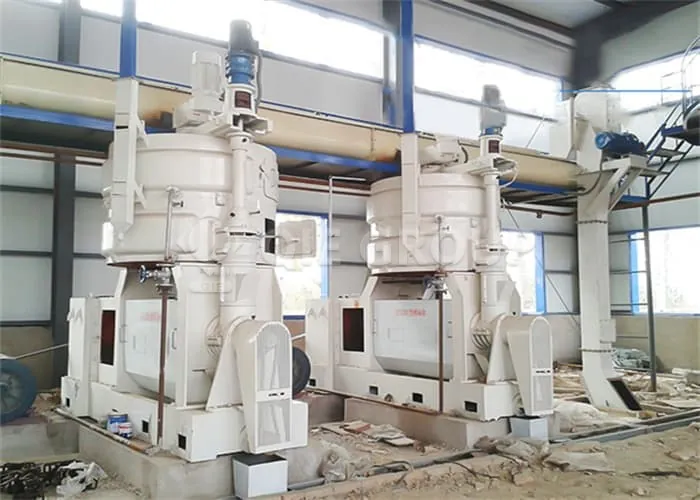
Small-scale plants / startups (1–20 tons/day)
Prioritize low initial investment, compact footprint, and ease of operation
Slightly lower oil yield is acceptable, but reliability is key
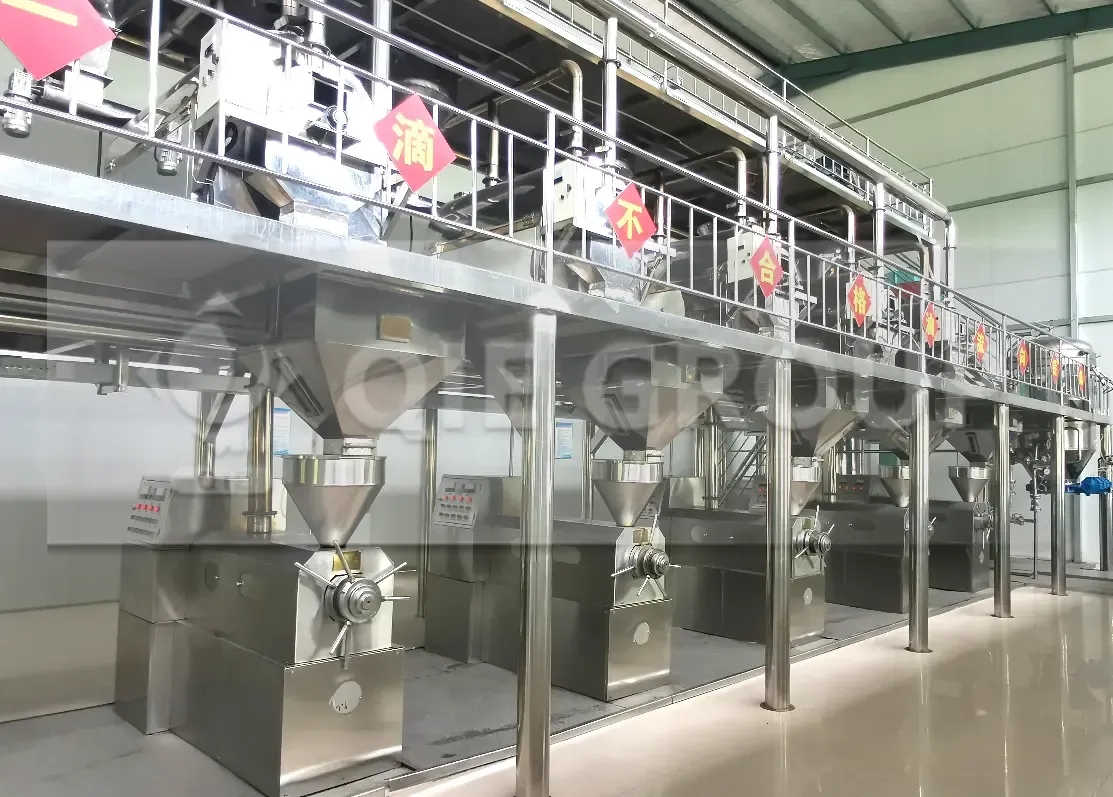
Recommended: Integrated small oil press units combining pressing and filtration to save space and labor
Medium-scale plants (20–100 tons/day)
Focus on stability and high oil yield
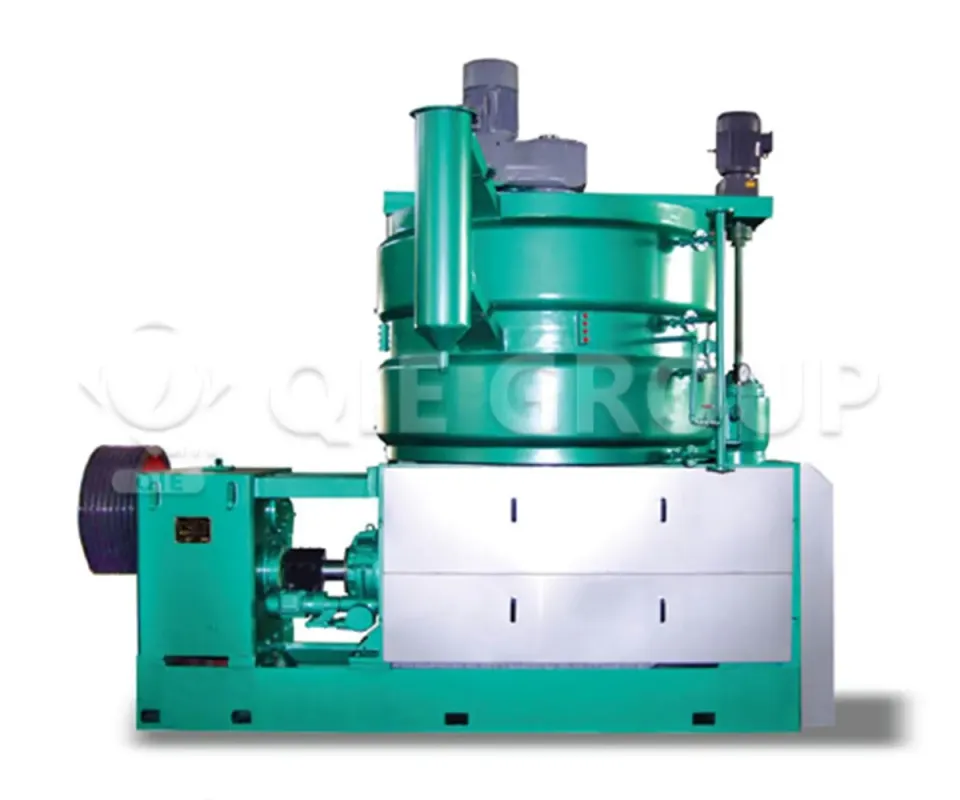
Recommended: Continuous screw oil presses, e.g., QIE ZY28, capacity: 100–120 tons/day, suitable for peanuts, cottonseed, sunflower seeds, etc.
Though initial investment is higher, raw material cost per unit oil is significantly lower, increasing market competitiveness
Large industrial plants (>100 tons/day)
Require high-efficiency, energy-saving, automated systems
Recommend pre-press + solvent extraction for maximum raw material utilization
Equipment selection must consider line compatibility, energy ratio, maintenance convenience, and remote monitoring
Evaluate machines not just by price, but by full lifecycle costs:
| Dimension | Description |
|---|---|
| Initial purchase | Machine price, shipping, installation |
| Energy cost | Motor power, energy consumption per unit output |
| Maintenance cost | Lifespan and replacement frequency of wear parts, service response |
| Labor cost | Higher automation reduces required operators |
| Raw material loss | 1% lower oil yield equals tens of thousands of USD in annual raw material costs |
| Production stability | Low failure rate and continuous operation reduce downtime losses |
💡 True cost-effectiveness = meeting production & quality requirements and minimizing total lifecycle cost.
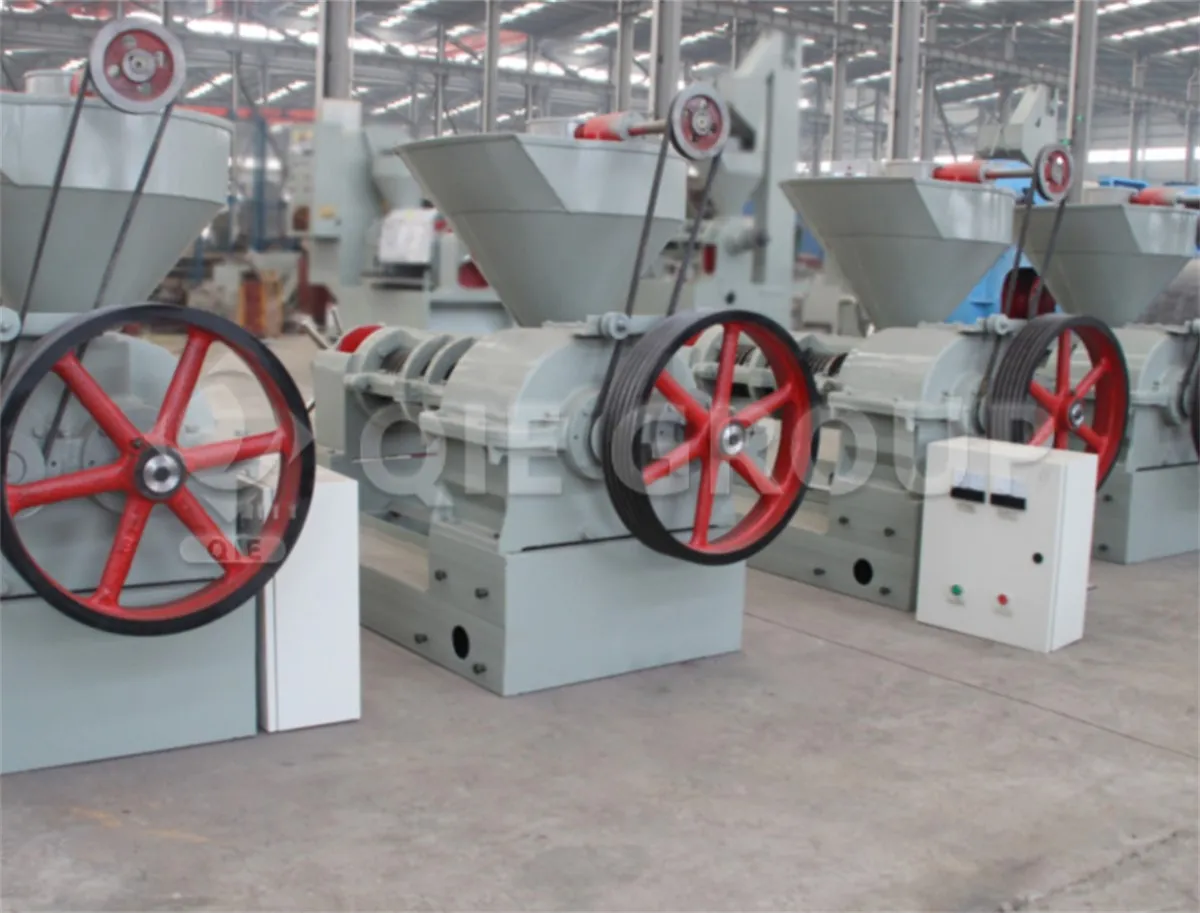
At QIE Group, we understand that clients are buying more than just a machine—they are investing in a sustainable, profitable production system.
Modular design; core components tested via finite element analysis for even stress and long lifespan
Shafts made of high-strength alloy steel + deep carburization (HRC58+) for 40% higher wear resistance
Fully enclosed oil-bath lubrication for the transmission system, with hardened gears ensuring long-term continuous operation
| Model | Capacity (T/D) | Features |
|---|---|---|
| ZX200-3 | 7–10 | Easy to operate, easy to maintain, and low residual oil rate |
| ZY24 | 40–50 | High processing capacity, low power consumption, and low residual oil content |
| ZY32 | 150–160 | Large-scale continuous press, high processing capacity and high oil yield |
💡 We provide customized solutions according to raw material type, target capacity, and plant conditions to avoid mismatched equipment.
Free technical consultation: From process design to equipment layout
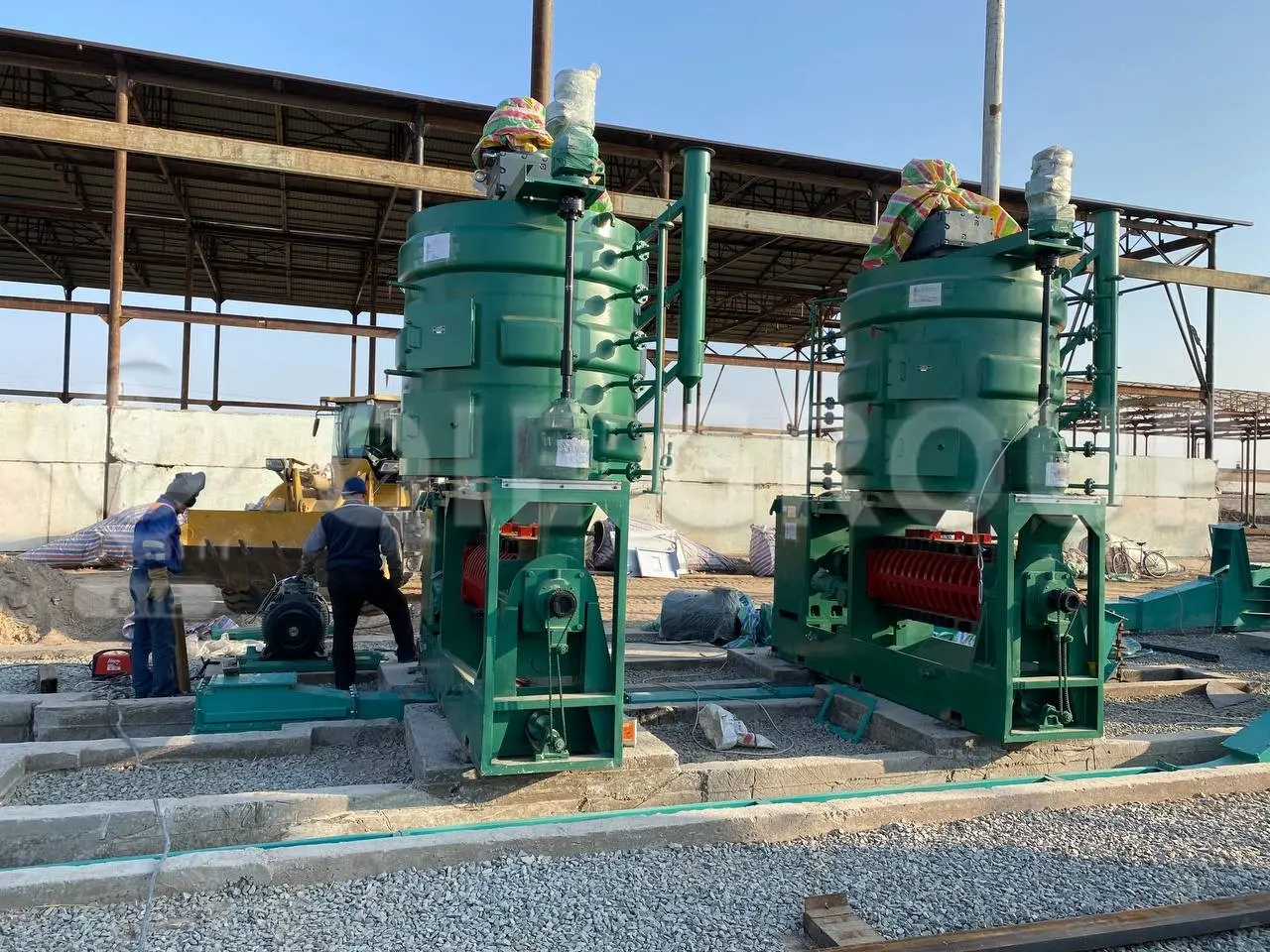
Installation & commissioning support: On-site engineers ensure stable production from day one
Spare parts guarantee: Multiple warehouses nationwide; common parts delivered within 72 hours
Remote diagnostics (optional): IoT monitoring to prevent downtime
Back to the question: Cost vs oil yield, which matters more?
Both matter, but oil yield determines the ceiling of long-term profitability:
Low-cost equipment saves initial investment but low efficiency, high raw material loss, and frequent maintenance reduce profits
High-efficiency, reliable machines may cost more upfront but can pay back through higher oil yield in months and generate sustained revenue
💡 When choosing an oil press, think beyond "buying a machine"—focus on investing in production capacity and efficiency.
If you are planning a new edible oil project or upgrading an existing production line, QIE Group can be your professional partner. We offer not only equipment but also end-to-end solutions from process design and equipment selection to operational support.
 448
|
448
|
 Oil press life
Oil press stability
Screw oil press
Hydraulic oil press
Oil press maintenance
Edible oil processing equipment
Oil press maintenance
Oil press operation precautions
108
|
Large-scale commercial fully automatic peanut oil press
Peanut Oil Press
Peanut oil processing plant
Peanut oil production line
Edible oil processing equipment
174
|
High oil yield press
Edible oil pressing equipment
Peanut oil extraction efficiency
Sesame cold press machine
Oil and fat equipment upgrade
Small-scale oil pressing production line
244
|
rapeseed pressing process
Increased oil yield
Residual oil rate control
Screw oil press
Oil pretreatment
107
|
Oil Press Machine
Edible Oil Production
Screw Oil Press
Maintenance Cost
Oil Extraction Equipment
Oil press life
Oil press stability
Screw oil press
Hydraulic oil press
Oil press maintenance
Edible oil processing equipment
Oil press maintenance
Oil press operation precautions
108
|
Large-scale commercial fully automatic peanut oil press
Peanut Oil Press
Peanut oil processing plant
Peanut oil production line
Edible oil processing equipment
174
|
High oil yield press
Edible oil pressing equipment
Peanut oil extraction efficiency
Sesame cold press machine
Oil and fat equipment upgrade
Small-scale oil pressing production line
244
|
rapeseed pressing process
Increased oil yield
Residual oil rate control
Screw oil press
Oil pretreatment
107
|
Oil Press Machine
Edible Oil Production
Screw Oil Press
Maintenance Cost
Oil Extraction Equipment