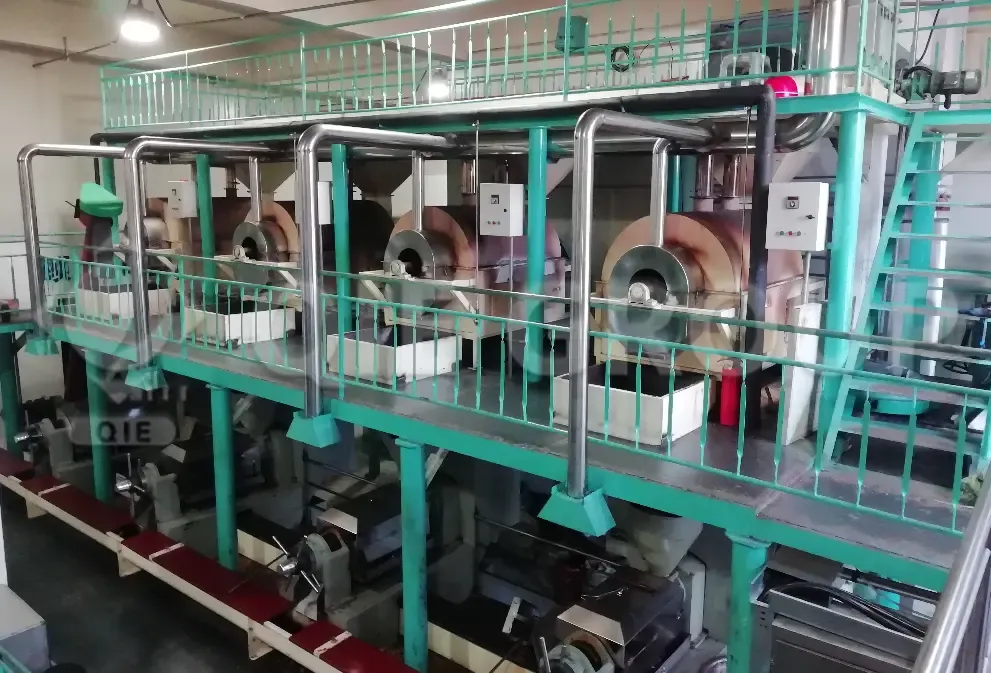
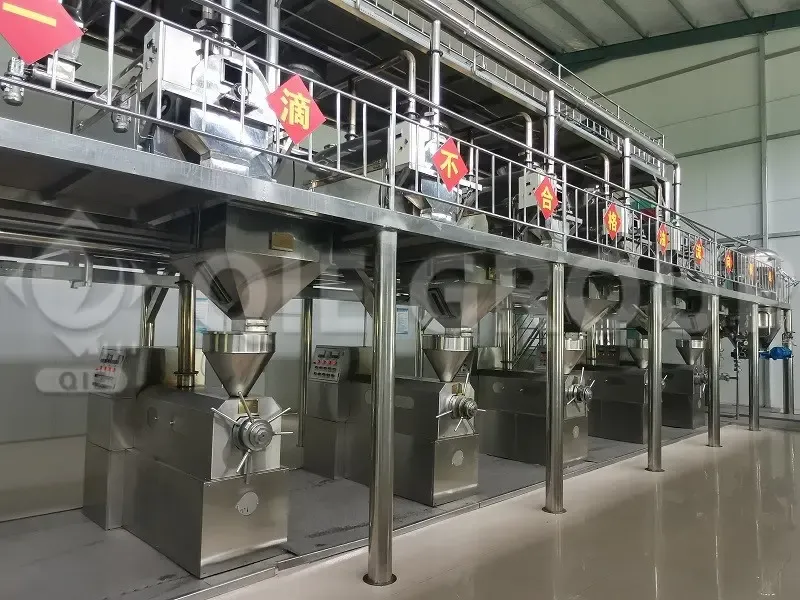
In the edible oil processing industry, oil press machine performance and output are not determined by a single factor but by the entire oil pressing system design. In many industrial projects, customers later realize that production efficiency depends heavily on a complete turnkey oil mill project solution, rather than a single machine.
Oil press machine performance and output are primarily affected by raw material quality, moisture content, pretreatment efficiency, machine design, operating conditions, and maintenance practices. In most commercial oil mills, production performance depends on the entire processing system rather than the oil press alone.
Many oil mill operators assume that low output is caused by poor machine quality. However, in practice, two identical oil presses processing the same type of oilseed can produce very different results.
The reason is simple: an oil press does not operate in isolation.
Actual performance is systematically influenced by:
When these factors are optimized together, the oil press can operate close to its design capacity. When they are not, production losses become inevitable.
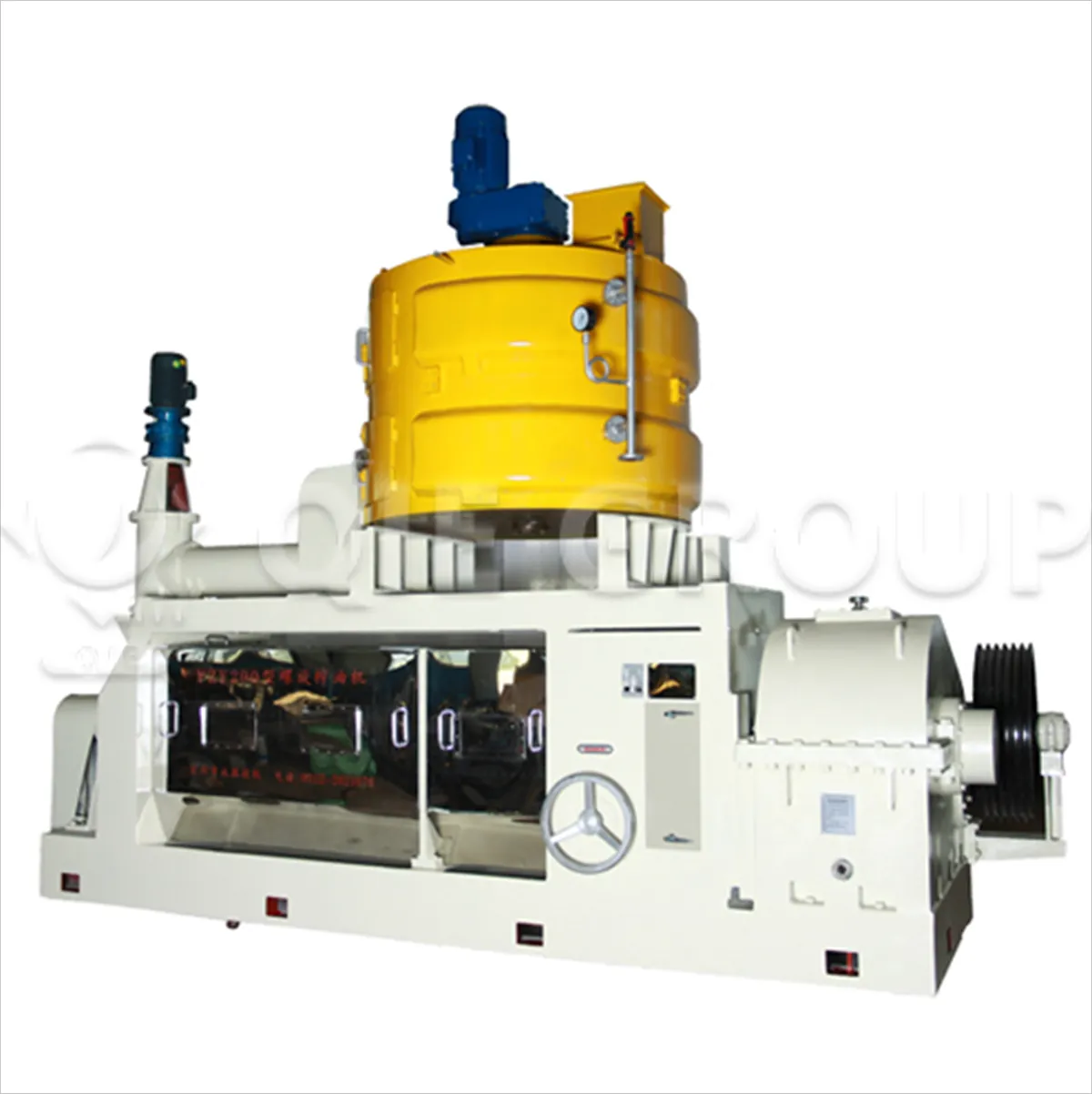
Even the most advanced screw oil press machine cannot fully compensate for poor raw material quality.
Different oilseeds contain different amounts of extractable oil.
| Oilseed | Typical Oil Content |
|---|---|
| Soybean | 18–22% |
| Rapeseed | 35–45% |
| Peanut | 40–50% |
| Sunflower Seed | 35–50% |
| Sesame Seed | 45–55% |
Higher oil content generally creates greater oil production potential.
Moisture is one of the most critical variables in oil pressing. Improper moisture metrics drastically skew the mechanical environment inside the press chamber.
Excessively dry material may:
Increase internal friction, severely raise total power consumption, accelerate mechanical wear, and cause severe material feeding problems.
Excessively wet material may:
Slip completely inside the press chamber, heavily reduce structural pressure formation, lower overall oil recovery, and increase residual oil content left in the cake.
For this reason, moisture control should be considered a key production parameter rather than a secondary concern.
Stones, metal fragments, sand, and other destructive contaminants can easily damage screws and cage bars, accelerate wear rates, reduce total extraction efficiency, and cause costly, unplanned plant downtime.
Proper cleaning before pressing is essential for both productivity and equipment longevity.
Poorly stored oilseeds often exhibit increased free fatty acids, lower commercial oil quality, and reduced extraction efficiency. Consistent raw material quality contributes directly to stable plant performance.
Not all oilseeds behave the same way during pressing. Soybeans, rapeseed, peanuts, sesame seeds, cottonseed, and rice bran all require strictly differentiated process conditions.
For example:
This is why a machine configuration that performs well for one oilseed may not achieve the same results with another.
One of the most common misconceptions in the industry is that production performance depends mainly on the oil press itself. In reality, pretreatment frequently determines whether the press can reach its full potential.
Cleaning Operations: Removing raw impurities protects equipment and improves subsequent oil quality metrics.
Crushing and Flaking: Flaking helps break down dense cellular structures, heavily increases operational surface area, improves overall heat transfer, and facilitates smooth oil release. Poor flake quality often results in lower extraction efficiency.
Conditioning Parameters: Conditioning strictly adjusts moisture and temperature to improve material plasticity before pressing.
Cooking Conditions: Proper cooking promotes comprehensive protein denaturation, cell structure softening, improved oil flow, and better pressing efficiency. Insufficient or excessive cooking can negatively affect performance.
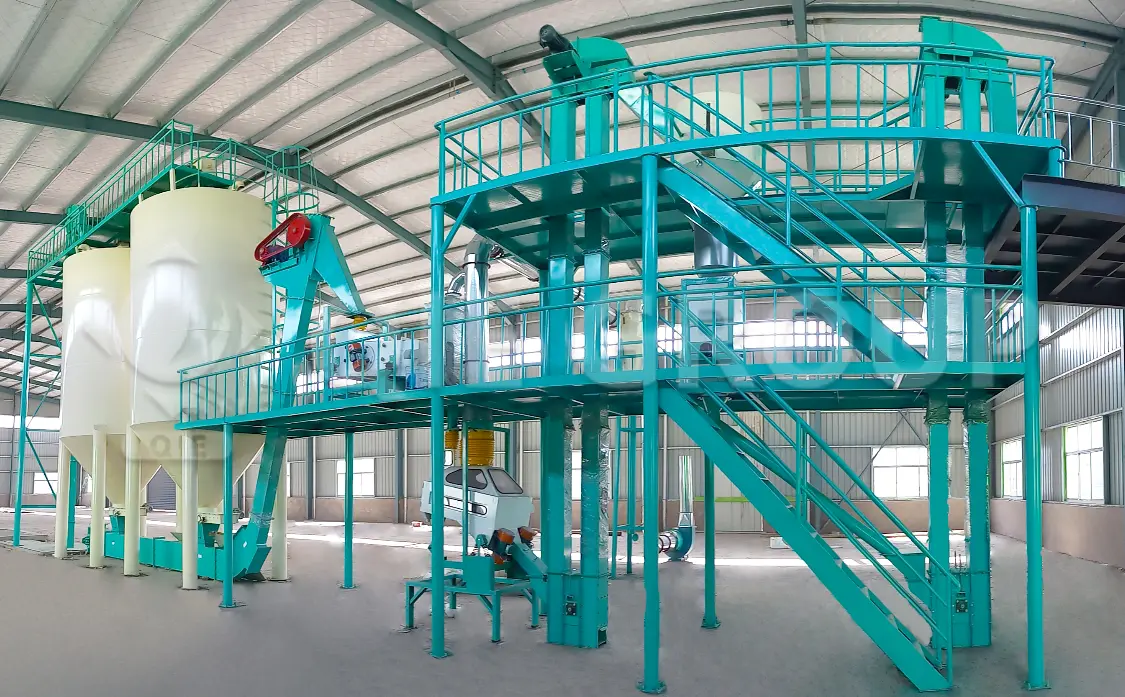
"In many soybean and rapeseed projects, production bottlenecks are often traced back to inadequate pretreatment rather than limitations of the oil press itself."
The oil press remains the core component of the production line. Several design factors influence performance.
Screw Configuration Geometric Variables: Structural variables include pitch design, shaft diameter progression, and compression ratio. Different oilseeds require entirely different screw geometries to match their extraction profiles.
Cage Design Mechanics: A properly designed press cage helps build stable structural pressure, drastically improves oil drainage, reduces residual oil content, and maintains continuous plant operation.
Material Selection and Heat Treatment: Advanced wear-resistant alloy materials and proper, rigorous heat treatment cycles can significantly improve total service life and long-term operational stability.
Even a well-designed machine can underperform if operating conditions are not properly controlled.
Feed Rate Management
Both overfeeding and underfeeding drastically reduce mechanical efficiency and stability.
Pressing Temperature Metrics
Temperature critically influences material plasticity, oil viscosity, and total oil recovery performance.
Shaft Speed Control
An appropriate structural balance must be maintained between material residence time and operational throughput.
Cake Thickness Calibration
Cake discharge thickness serves as an important visual indicator of mechanical pressure conditions inside the press.
Many oil mills notice that production performance gradually declines over time. Wear is often the primary reason.
Screw and Cage Wear Factors: Mechanical wear can lead to drastically reduced compression efficiency, increased residual oil in cake, lower operational throughput, and significantly greater energy consumption metrics.
Bearings and System Lubrication: Proper, consistent lubrication helps reduce system friction, minimize housing vibration, and extend total equipment life. Preventive maintenance programs are generally much more cost-effective than reactive mechanical repairs.
| Symptom | Possible Cause |
|---|---|
| Low oil yield | Improper moisture parameter control or unoptimized cooking temperatures. |
| High residual oil | Insufficient chamber pressure formulation or heavily worn mechanical components. |
| Reduced throughput | Inadequate seed crushing or progressive geometric wear of the screw shaft. |
| Frequent blockages | Inconsistent material feed control or critical moisture deviation metrics. |
| Unstable operation | Inconsistent raw materials blending or structural maintenance deficiencies. |
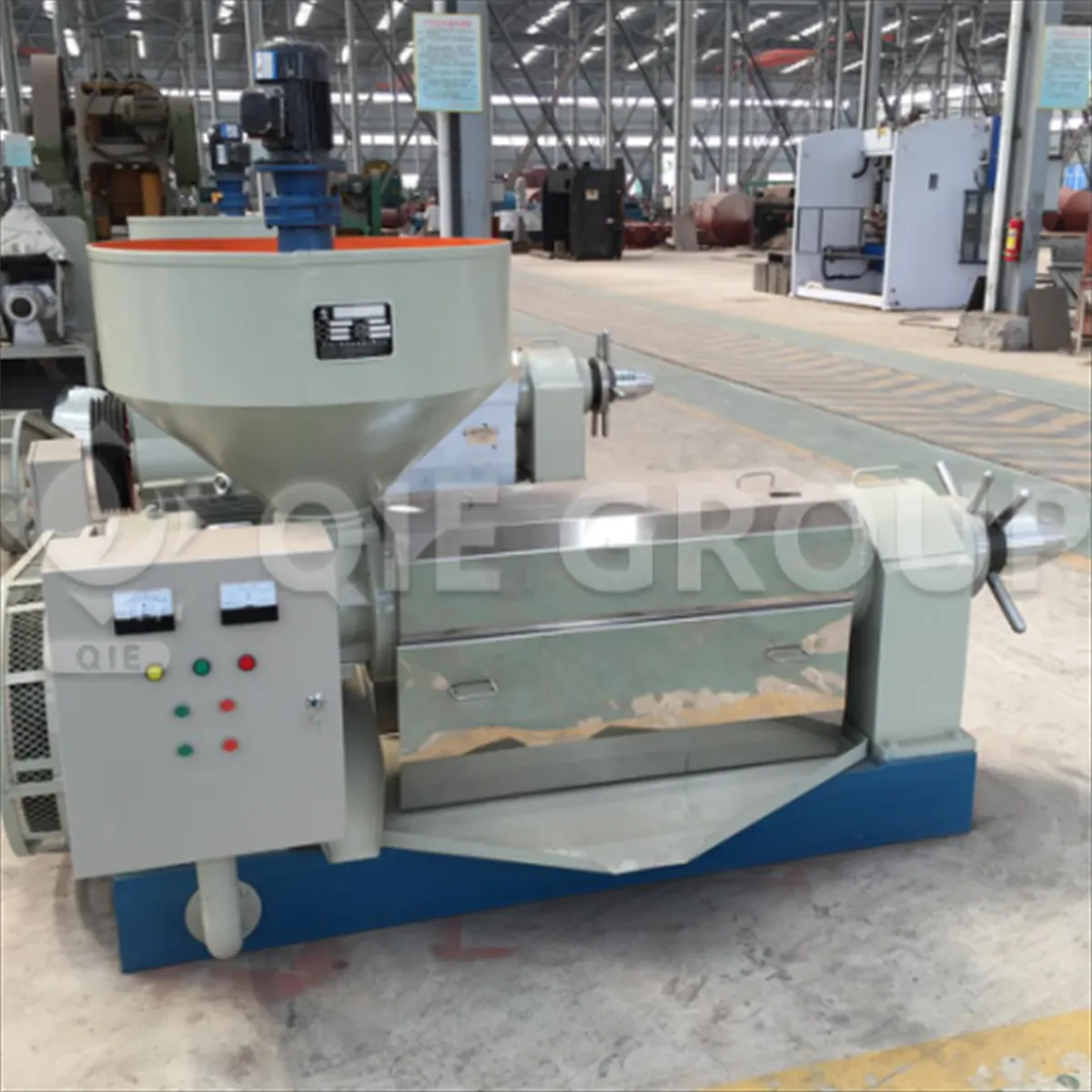
Many factories consider replacing equipment when production declines.
However, if problems originate from cleaning, flaking, conditioning, or cooking processes, replacing the press alone may not resolve the root cause.
The initial purchase cost represents only part of the total investment.
Wear-part life, energy consumption, maintenance frequency, and spare-part availability all affect long-term operating costs.
Higher pressure is not always beneficial.
Excessive pressure may lead to:
Proper pressure control is generally more important than simply increasing pressure.
Most production improvements come from system-wide optimization rather than single machine replacement. Recommended high-yield actions include:
Quality Control: Significantly improve raw material quality control and incoming inspections.
Process Optimization: Rigorously optimize pretreatment operations, including moisture conditioning and cooking parameters.
Equipment Matching: Strictly match internal machine equipment parameters to specific oilseed biological characteristics.
Parameter Stability: Maintain stable operating parameters, specifically controlling automated feed rates and shaft speeds.
Preventive Maintenance: Fully implement preventive maintenance programs to monitor screw geometries before failure.
Digital Control: Utilize factory automation and process monitoring systems to trace extraction deviations in real time.
Not necessarily. Total equipment output capacity should strictly match production layout requirements and global process conditions.
Only within highly appropriate operating ranges. Excessive processing temperatures may severely and negatively affect raw oil and cake product quality.
Progressive geometric wear of critical core components such as pressing screws and cage bars is the primary, universal cause.
Automation vastly improves process consistency, operational control, and long-term stability, particularly in commercial-scale industrial crushing facilities.
Successful oil production depends on much more than the press itself. A complete oil processing plant requires seamless interaction across distinct sub-systems.
When these specialized components work together effectively, plants are far more likely to achieve stable continuous production, maximized oil recovery metrics, and reduced long-term operating costs.
With more than 40 years of profound expertise in edible oil processing engineering, QIE Group deeply understands that production challenges are almost always caused by process mismatches rather than equipment alone.
Our engineering teams evaluate:
This system-oriented approach helps customers build more efficient and sustainable oil processing facilities.
Oil press machine performance and output are influenced by multiple interconnected factors, including raw material quality, pretreatment efficiency, equipment design, operating conditions, and maintenance practices.
For modern commercial oil mills, maximizing productivity is rarely about purchasing a larger machine. It is about creating a perfectly balanced processing system in which raw materials, equipment, and process conditions work together efficiently. When these elements are properly aligned, oil producers can reliably achieve more stable output, improved oil recovery, and significantly better long-term profitability.
Are you planning to build a high-yield oil milling facility, expand your existing processing plant, or solve critical extraction rate issues? Contact QIE Group's senior engineers for a tailored, professional technical layout and profit-optimized equipment proposal.
 431
|
431
|
 Peanut oil pressing production line
Peanut oil processing flow
Peanut oil equipment
Peanut oil yield
Peanut oil investment
Pressed peanut oil
Edible oil production line
298
|
sunflower seed oil press machine
screw oil press
edible oil plant equipment
high-efficiency oil press
sunflower oil production line
394
|
oil press machine
oil press cost
edible oil plant investment
high-efficiency oil press
oil yield
171
|
soybean oil press machine
soybean oil processing plant
edible oil processing equipment
soybean pre-pressing
pre-pressing and solvent extraction
251
|
rapeseed pressing process
Increased oil yield
Residual oil rate control
Screw oil press
Oil pretreatment
Peanut oil pressing production line
Peanut oil processing flow
Peanut oil equipment
Peanut oil yield
Peanut oil investment
Pressed peanut oil
Edible oil production line
298
|
sunflower seed oil press machine
screw oil press
edible oil plant equipment
high-efficiency oil press
sunflower oil production line
394
|
oil press machine
oil press cost
edible oil plant investment
high-efficiency oil press
oil yield
171
|
soybean oil press machine
soybean oil processing plant
edible oil processing equipment
soybean pre-pressing
pre-pressing and solvent extraction
251
|
rapeseed pressing process
Increased oil yield
Residual oil rate control
Screw oil press
Oil pretreatment