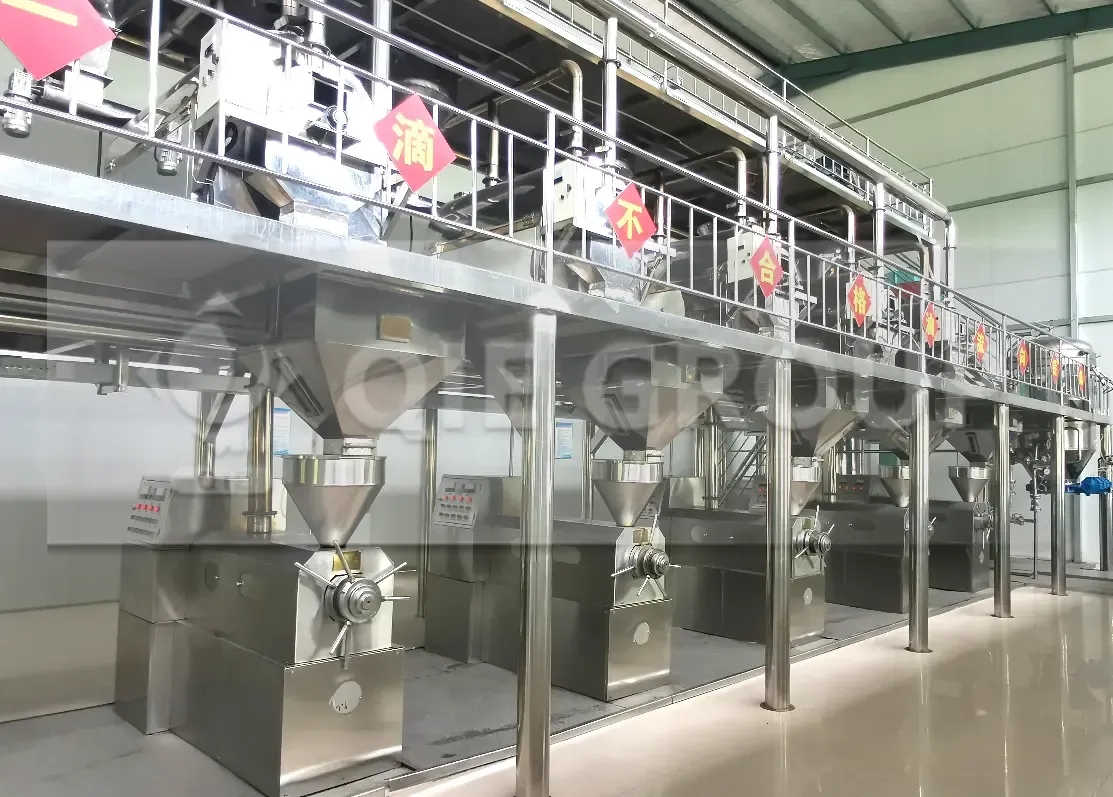
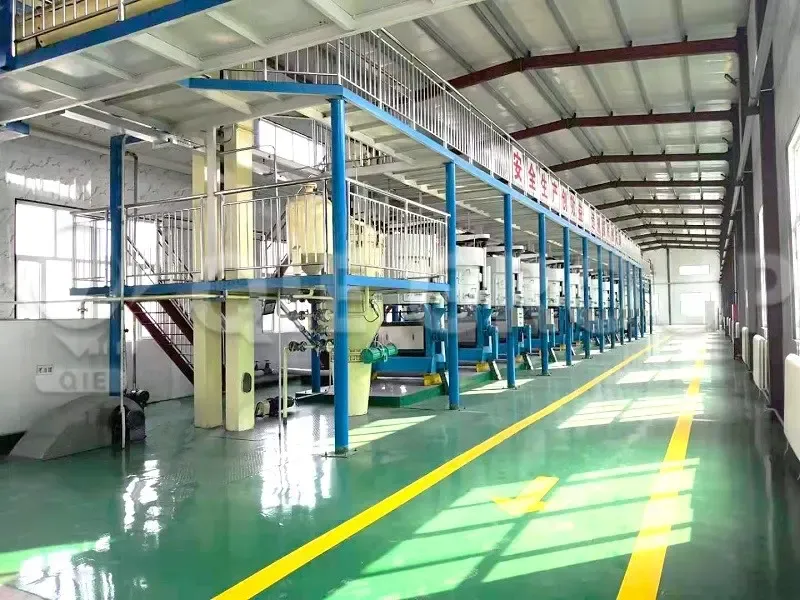
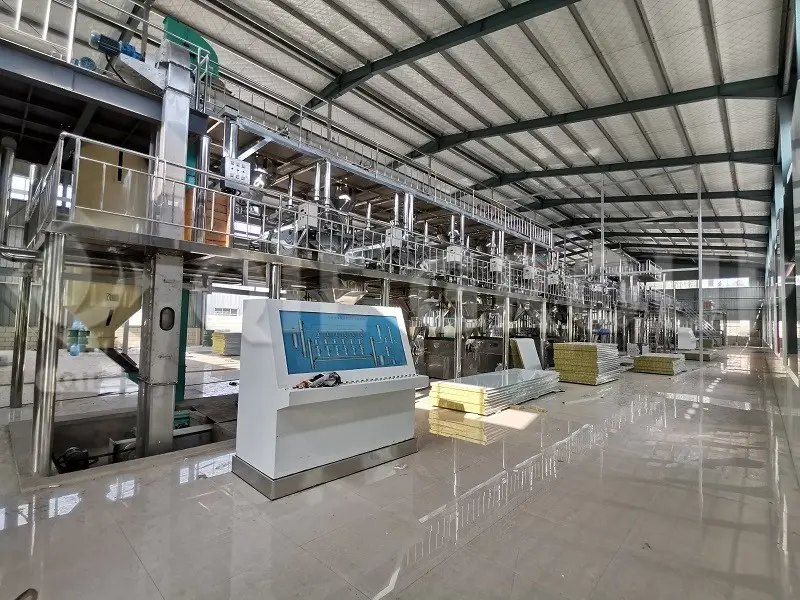
When your oil press machine suddenly experiences a drop in oil output or yields oil-soaked cake, do not rush to dismantle the equipment for repair! As professional engineers in the edible oil processing field, we recommend following a 4-tier troubleshooting sequence: "Raw Material → Process → Operational Parameters → Mechanical Hardware." This systematic approach helps prevent downtime losses caused by blind repairs.
Before troubleshooting, follow this Standard Operating Procedure (SOP) to systematically isolate the root cause:
Operators frequently confuse these two key performance metrics, leading to misdirected troubleshooting:
| Observed Symptom | Potential Cause | Verification & Troubleshooting Method |
|---|---|---|
| Drop in oil volume across different material batches | Fluctuations in seed oil content or excess impurities | Test raw material oil content and impurity levels |
| Significant increase in cake residual oil (oil-soaked cake) | Decline in pressing efficiency (process parameters or wear) | Measure cake residual oil rate in the lab; compare with historical data |
| Decrease in throughput per unit time (capacity drop) | Feeding slippage, sediment accumulation, or chamber clogging | Inspect feeder speed and chamber inlet status |
| Unstable or intermittent oil outflow | Fluctuations in moisture/cooking temp or misadjusted gap | Monitor real-time pretreatment moisture and pressing temperature |
📌 Key Industry Standard: Under stable raw material oil content and processing rates, if the residual oil rate in the oil cake remains consistently above 5%–6% for full-press (single-pass mechanical pressing) operations (or above 15%–18% for prepressing before solvent extraction), it confirms a mechanical or process fault that requires targeted parameter and hardware checks.
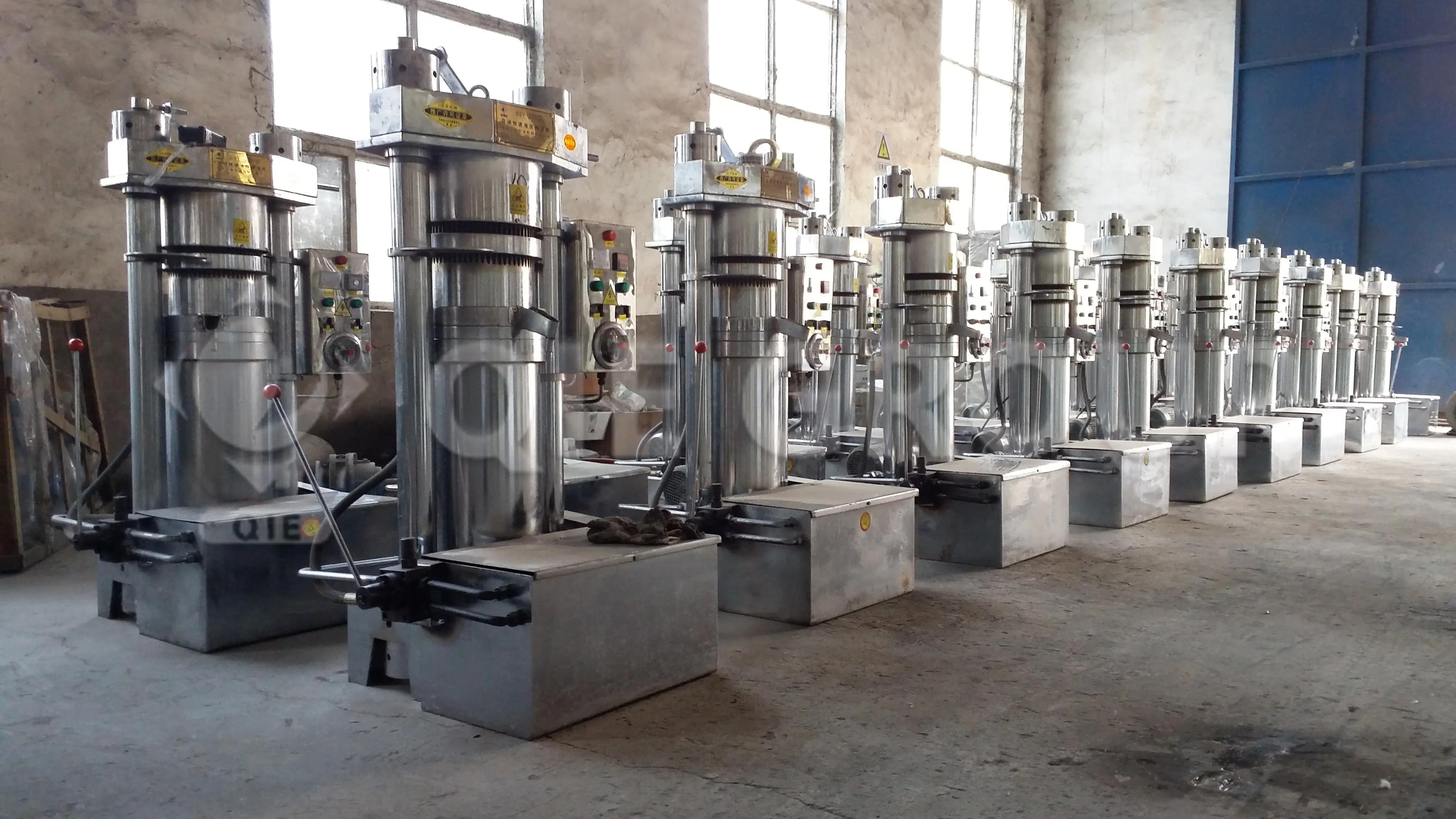
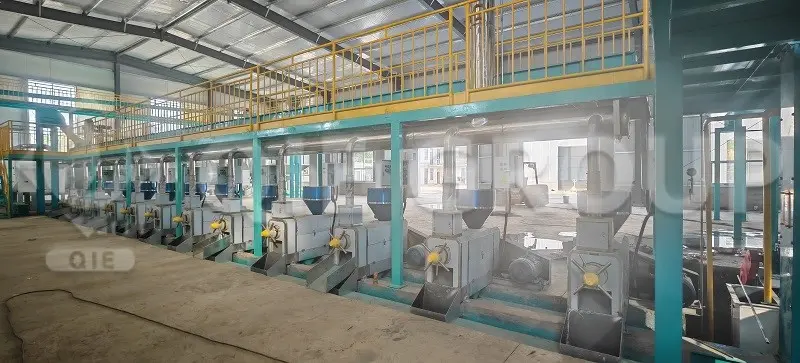
The oil cake acts as a real-time "barometer" for internal pressing dynamics. Inspecting cake appearance helps quickly pinpoint operational faults:
A: Check cake residual oil rate and seed moisture content first. Improper moisture accounts for over 40% of sudden yield drops. Test inlet moisture (e.g., 7–9% for soybeans). If moisture is correct, test cake residual oil to confirm if mechanical compression pressure is the issue.
A: Two main factors: First, overly dry seeds or excessively fine grinding, causing material to lose plasticity and squeeze through drainage slots. Second, severely worn cage bars or incorrect shim sizing, making drainage gaps too wide (normal gaps should be 0.5–1.0 mm at the front section, and 0.25–0.5 mm at the rear section).
A: Different oilseeds vary immensely in oil content, fiber structure, and seed coat hardness. Peanut oil processing requires wider front drainage gaps and faster propulsion due to high oil content (45–55%), requiring wider front drainage gaps and faster propulsion. Rapeseeds are small, high in oil, with tough hulls, requiring strict thermal conditioning and a narrower cake discharge gap.
A drop in oil press output is the combined result of raw material properties, pretreatment processing, operational parameters, and mechanical condition. When facing performance declines, avoid blindly dismantling machinery. Always troubleshoot systematically along the "Raw Material → Process → Operational Parameters → Mechanical Hardware" path.
 517
|
517
|
 oil press working principle
screw oil press
commercial oil press
edible oil production process
vegetable oil processing equipment
478
|
sesame oil production line
sesame oil pressing
hydraulic sesame oil press machine
sesame seed roasting machine
sesame oil filtration
sesame oil processing
258
|
food-grade sunflower seed oil press machine
sunflower oil press
oil press selection
screw hot press
hydraulic cold press
227
|
rapeseed oil pressing production line
high oil yield
rapeseed oil pressing process
screw oil press
turnkey edible oil plant
130
|
walnut oil processing plant cost
walnut oil machine price
walnut oil extraction plant
cold pressed walnut oil equipment
walnut oil refinery plant
walnut oil processing project budget
oil press working principle
screw oil press
commercial oil press
edible oil production process
vegetable oil processing equipment
478
|
sesame oil production line
sesame oil pressing
hydraulic sesame oil press machine
sesame seed roasting machine
sesame oil filtration
sesame oil processing
258
|
food-grade sunflower seed oil press machine
sunflower oil press
oil press selection
screw hot press
hydraulic cold press
227
|
rapeseed oil pressing production line
high oil yield
rapeseed oil pressing process
screw oil press
turnkey edible oil plant
130
|
walnut oil processing plant cost
walnut oil machine price
walnut oil extraction plant
cold pressed walnut oil equipment
walnut oil refinery plant
walnut oil processing project budget