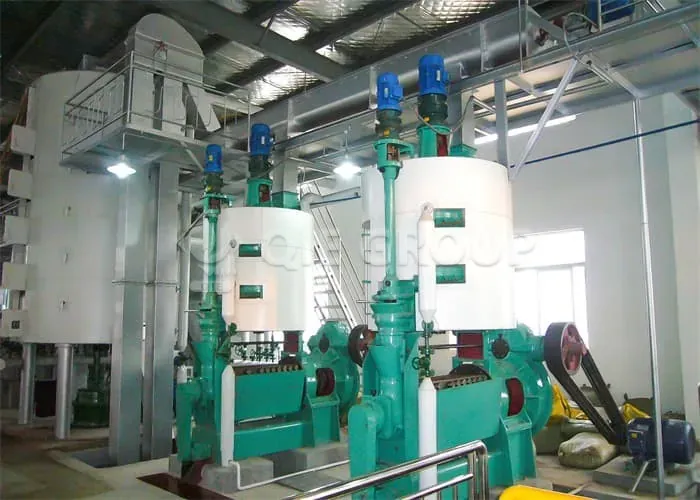
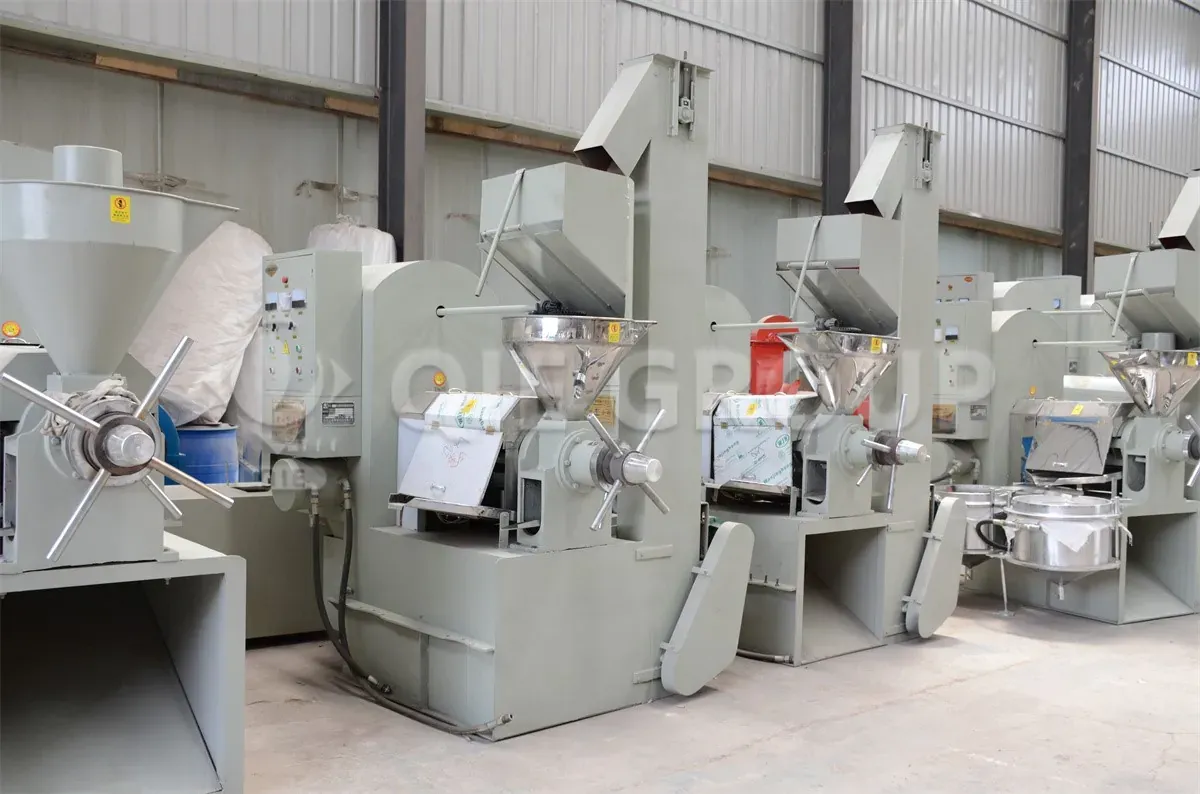
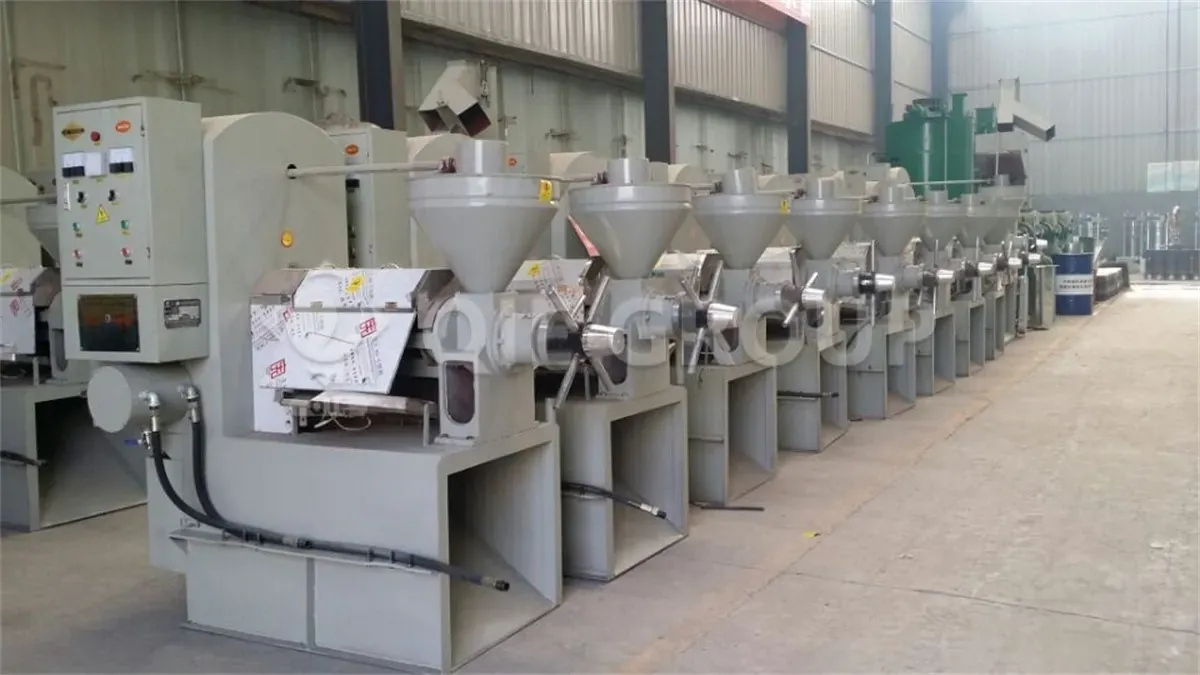
In the edible oil processing industry, equipment selection is a complex trade-off between finance and technology. Many first-time investors easily fall into the "low-price trap," believing that the lower the initial purchase cost, the faster the return on investment. However, oil yield is the "core engine" for measuring a plant's long-term profitability.
As a leading global turnkey supplier of edible oil processing projects, QIE Group has discovered through over 40 years of engineering experience that the increased profit from higher oil yield has a strong leverage effect in large-scale production. The premium investment in high-quality equipment can often be effectively recovered in the early stages of operation through higher oil recovery rates.
In the cost structure of oil processing, raw material procurement typically accounts for over 75% of total operating costs, and even as high as 90% in large-scale industrial production. This means that in an industry where profit margins are heavily squeezed by raw material costs, any slight increase in oil yield can generate a huge profit leverage effect.
Profit leverage effect analysis (taking a daily processing capacity of 100 tons of soybeans as an example)
| Key Operating Indicators | Option A (Basic Equipment) | Option B (QIE High-Efficiency Production Line) | Difference (Incremental Revenue) |
| Actual oil yield | 17.5% | 18.5% | +1.0% |
| Daily crude oil production | 17.5 tons | 18.5 tons | +1.0 ton |
| Daily new income | (Based on $1,100/ton) | - | +$1,100/day |
| Monthly profit increase (25 days) | - | - | +$27,500/month |
| Annual profit increase (300 days) | - | - | Approximately +$330,000/year |
Conclusion: For medium to large-sized factories, the profit margin created by this 1% increase in oil yield within a year is usually sufficient to cover the purchase price difference between high-quality equipment and ordinary equipment.
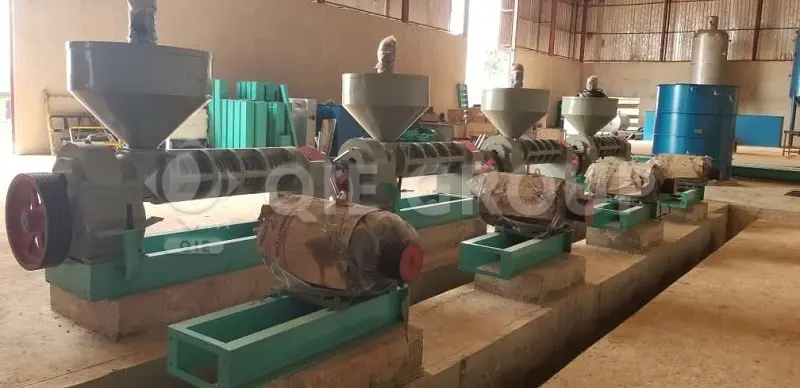
The oil yield is not determined by a single oil press, but by the overall efficiency of the entire production line.
Crushing and softening: Ensure that the cell walls of the oilseeds are broken down. For example, the optimal particle size for soybeans should be controlled to ≤0.3mm .
Conditioning: By precisely controlling moisture and temperature, the viscosity of oils is reduced, making them easier to extract.
Mechanical Pressing: Suitable for small to medium-sized plants. Our improved press can reduce the residual oil content in the cake to 6% - 7%.
Solvent extraction: Suitable for large-scale production. Through chemical extraction, the residual oil content is ≤ 0.5% .
Based on QIE Group's project experience in multiple overseas countries, the investment logic must be aligned with the local environment:
African Market (Payback Cycle Oriented): Customers are primarily concerned with the speed of investment recovery. We emphasize "practicality and reliability," providing easy-to-maintain pretreatment solutions to ensure stable oil production rates even in environments with fluctuating power supply.
Southeast Asian Market (Size and Consistency): For key palm oil producing regions, investors are focused on production stability. We recommend investing in automated systems to reduce oil yield fluctuations caused by human error.
Middle East Market (Quality Standards Driven): This region prioritizes refined quality. Our high-precision refining lines ensure oil yield while meeting stringent local food safety standards (such as ISO and SASO).
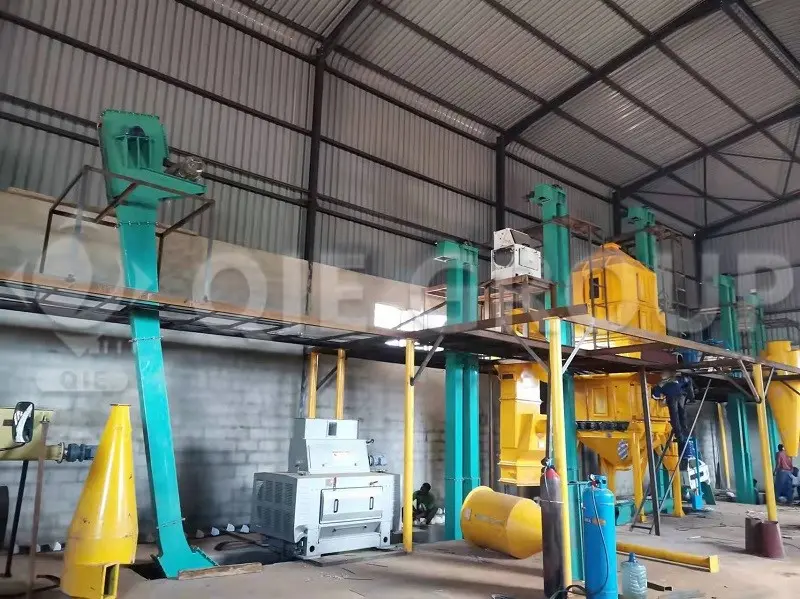
According to QIE engineering inspection data, low oil extraction rate is usually caused by the following five common reasons:
Q1: Why is there always a difference between the nominal oil yield and the actual production oil yield?
A: The nominal value is usually a theoretical value. Actual output is affected by the oil content, impurity ratio, temperature, and humidity of the raw materials. We provide "process compliance guarantee," which means customized debugging based on your specific raw material sample.
Q2: Is a lower oil content in cake always better?
A: In the pressing process, excessively pursuing extremely low residual oil (e.g., <5%) will increase energy consumption and lead to oil charring. Generally, controlling the residual oil content at 6%-8% is the optimal balance. If even lower residual oil is required, a combination of pre-pressing and solvent extraction should be used.
Q3: Why does pretreatment account for more than 40% of the oil yield?
A: Because oils are stored inside cells. Crushing, softening, and steaming (conditioning) are key to breaking down the cell walls. If pretreatment is inadequate, no amount of subsequent pressing pressure can reverse the damage.
Q4: Can refurbishing old equipment increase oil yield?
A: The effect is limited. The oil yield depends on the precise fit of the pressing chamber (the gap between the screw and the press bars). Older equipment often has shaft misalignment and micro-cracks, and simply replacing parts is unlikely to restore 100% efficiency. Moreover, the time cost of downtime maintenance is far higher than the cost of purchasing new equipment.
Q5: Does a high oil yield mean more complicated operation?
A: Quite the opposite. QIE Group's efficient production lines are equipped with automatic temperature control and variable frequency feeding systems, reducing reliance on operator "feel" and ensuring consistent and stable oil yield through standardized processes.
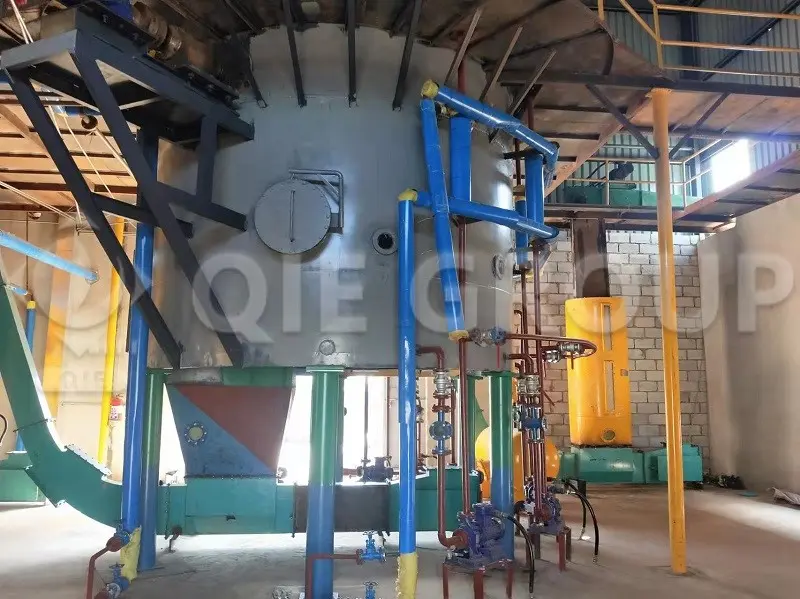
Improving oil yield cannot be solved by simply replacing a single piece of equipment; a systemic perspective is required.
Precise matching: "Pre-pressing + leaching" is recommended for high-oil crops (peanuts, sunflower seeds); direct leaching is recommended for low-oil crops (soybeans, rice bran).
Refined pretreatment: A conditioning tower is used to control moisture and temperature, so that the oil can be fully broken down.
Data-driven: It is recommended to install an online monitoring system to provide real-time feedback on residual oil rate and automatically adjust parameters.
If you are evaluating an oil pressing line, pre-pressing system, solvent extraction equipment, or a complete edible oil processing project, it is best to carefully analyze all the data before deciding to purchase the equipment. Oil yield, residual oil content, pre-treatment quality, and refining targets should be analyzed comprehensively, not separately.
Discuss your edible oil processing equipment solution 109
|
109
|
 Large-scale commercial fully automatic peanut oil press
Peanut Oil Press
Peanut oil processing plant
Peanut oil production line
Edible oil processing equipment
369
|
flaxseed oil extraction process
cold pressing flaxseed oil
hot pressing flaxseed oil
flaxseed solvent extraction
150
|
Vegetable oil pressing equipment
Investment in small oil mills
Edible oil processing equipment
Oil press oil output rate
turnkey project supplier
175
|
Cottonseed pressing
Multi-stage screw oil press
High-fiber oilseeds
Increased oil yield
residual oil content
506
|
Low-temperature cold-pressed sesame oil
Vitamin E retention
Unsaturated fatty acids
Hydraulic sesame oil press
Sesame oil nutrition
Large-scale commercial fully automatic peanut oil press
Peanut Oil Press
Peanut oil processing plant
Peanut oil production line
Edible oil processing equipment
369
|
flaxseed oil extraction process
cold pressing flaxseed oil
hot pressing flaxseed oil
flaxseed solvent extraction
150
|
Vegetable oil pressing equipment
Investment in small oil mills
Edible oil processing equipment
Oil press oil output rate
turnkey project supplier
175
|
Cottonseed pressing
Multi-stage screw oil press
High-fiber oilseeds
Increased oil yield
residual oil content
506
|
Low-temperature cold-pressed sesame oil
Vitamin E retention
Unsaturated fatty acids
Hydraulic sesame oil press
Sesame oil nutrition