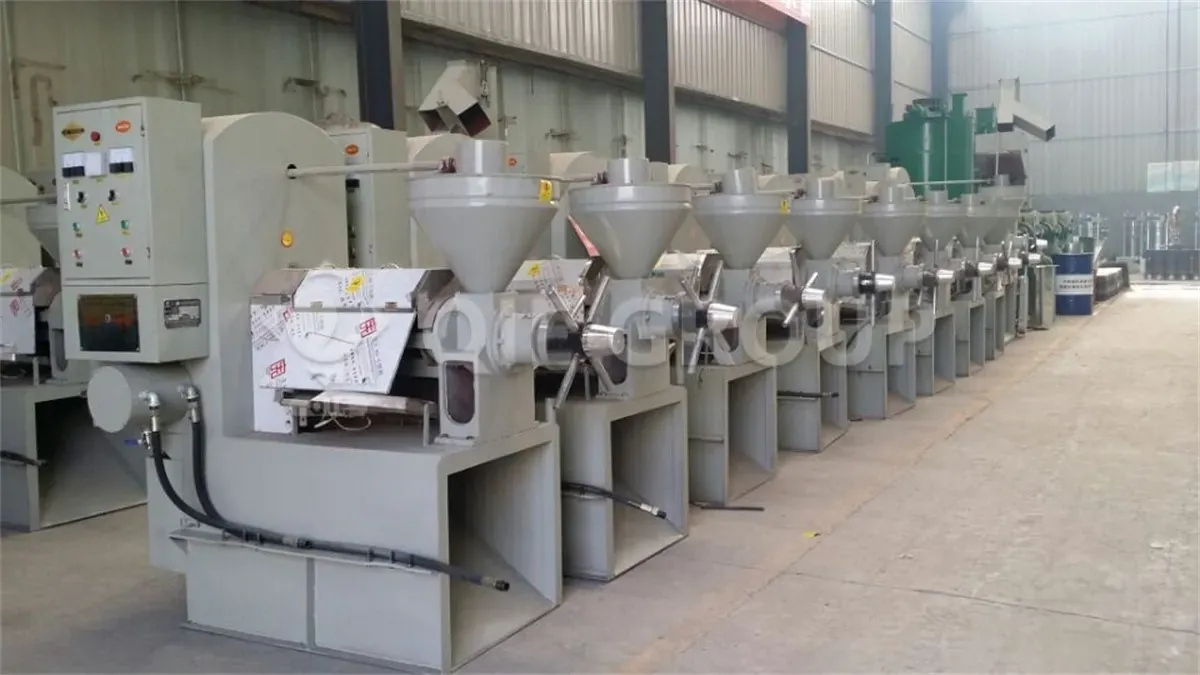
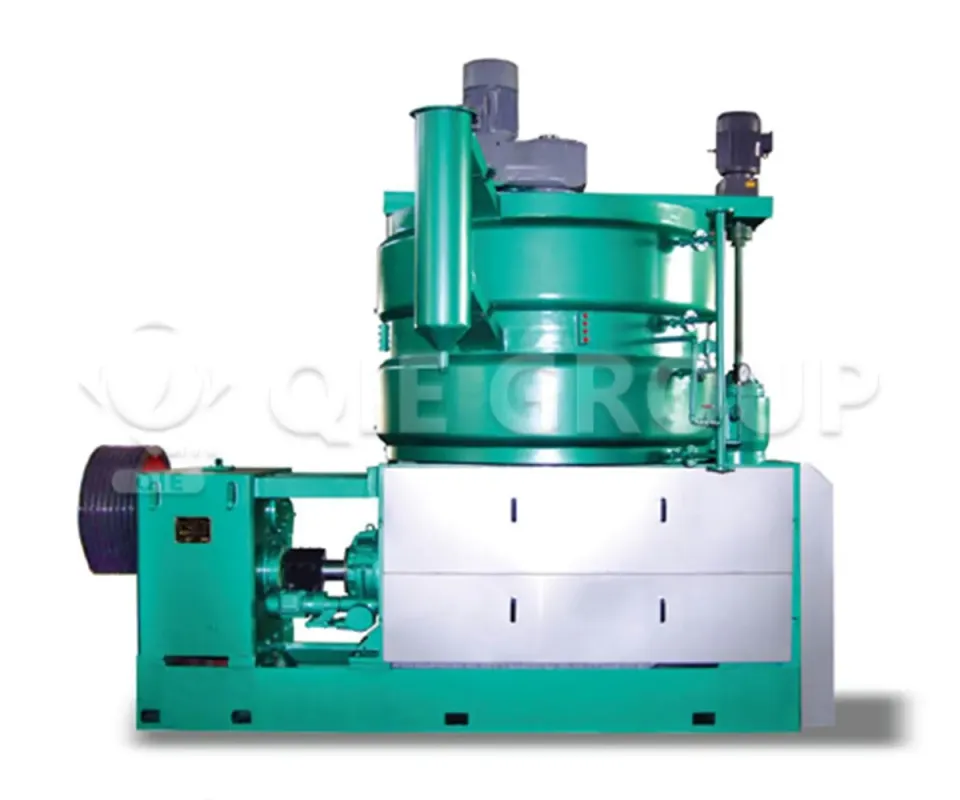
The global edible oil market continues to experience steady growth. Peanut oil, prized for its unique nutty aroma, high smoke point, and excellent nutritional profile, holds a commanding position in the catering, food processing, and household consumption sectors.
Among the various methodologies for peanut oil extraction, mechanical expulsion—specifically utilizing a continuous Screw Oil Press Machine—remains the premier choice for small-to-medium crushing plants, EPC turn-key projects, and emerging markets. This preference is driven by its moderate capital investment threshold, operational simplicity, ease of maintenance, and its unmatched ability to fully preserve the natural flavor of the oil.
This comprehensive guide delivers an engineering-grade analysis of the entire screw-press peanut oil extraction workflow. It focuses on process logic, equipment configuration, critical control points, and production optimization strategies to provide a solid practical foundation for your oil processing plant's planning and operation.
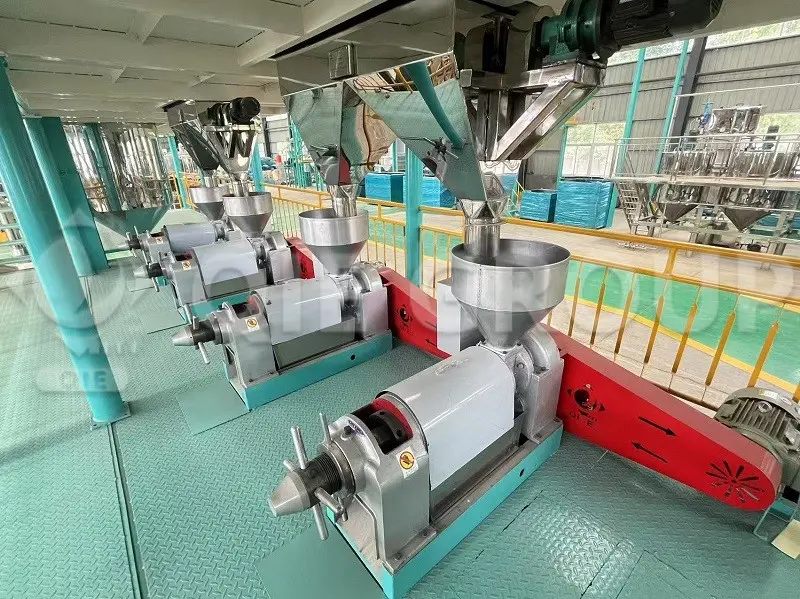
Peanut kernels (or pretreated flaked material) are continuously fed into the pressing chamber (expeller barrel). As the screw shaft (worm assembly) rotates, an axial thrust propels the material forward. Because the internal volume of the chamber gradually decreases and the screw flight depth becomes progressively shallower, the material is subjected to extreme axial compression, radial shearing, and intense friction. This action thoroughly ruptures the cellular structures of the oilseeds, forcing the liquid oil to expel through the cage bar gaps while the remaining solids form a compressed cake.
| Extraction Process | Core Mechanism | Applicable Production Scale | Pros & Cons Analysis |
|---|---|---|---|
| Screw Pressing (Mechanical Expulsion) |
Continuous mechanical friction and high-pressure extrusion. | 10 TPD to 50 TPD | Pros: Moderate CAPEX, continuous automated operation, excellent flavor retention. Cons: Higher mechanical power consumption per ton. |
| Hydraulic Pressing | Batch-type static hydraulic cylinder pressure. | < 10 TPD (Small workshops / specialty niche) | Pros: Low processing temperature (Cold Press), light oil color, low sediment. Cons: Extremely low efficiency, manual labor-intensive. |
| Solvent Extraction | Solid-liquid extraction utilizing chemical solvents (e.g., n-Hexane). | > 100 TPD (Large-scale industrial plants) | Pros: Maximum oil yield, minimal residual oil, low processing cost at scale. Cons: Massive initial investment, complex hazardous process. |
A standard commercial hot-pressing peanut oil production line follows a continuous, synchronized sequence of operations:
Process Objective: To isolate and remove large impurities (straw, stalks, ropes), high-density heavy impurities (stones, mud clocs), and ferromagnetic metals from the raw material.
Engineering Control Matrix:
Process Objective: To separate the hulls from the kernels and reduce the kernel size to optimize the subsequent cooking phase.
Engineering Control Matrix:
💡 ENGINEERING NOTE
Cooking is the "soul" of the entire pressing line. It directly dictates the cell-wall rupture rate and the final residual oil metrics.
Working Mechanism: This phase utilizes hydrothermal treatment to rupture oil cell walls, cause protein denaturation to lower oil viscosity, and adjust the plasticity of the material.
Critical Process Parameters (For Aromatic Hot-Pressed Oil):
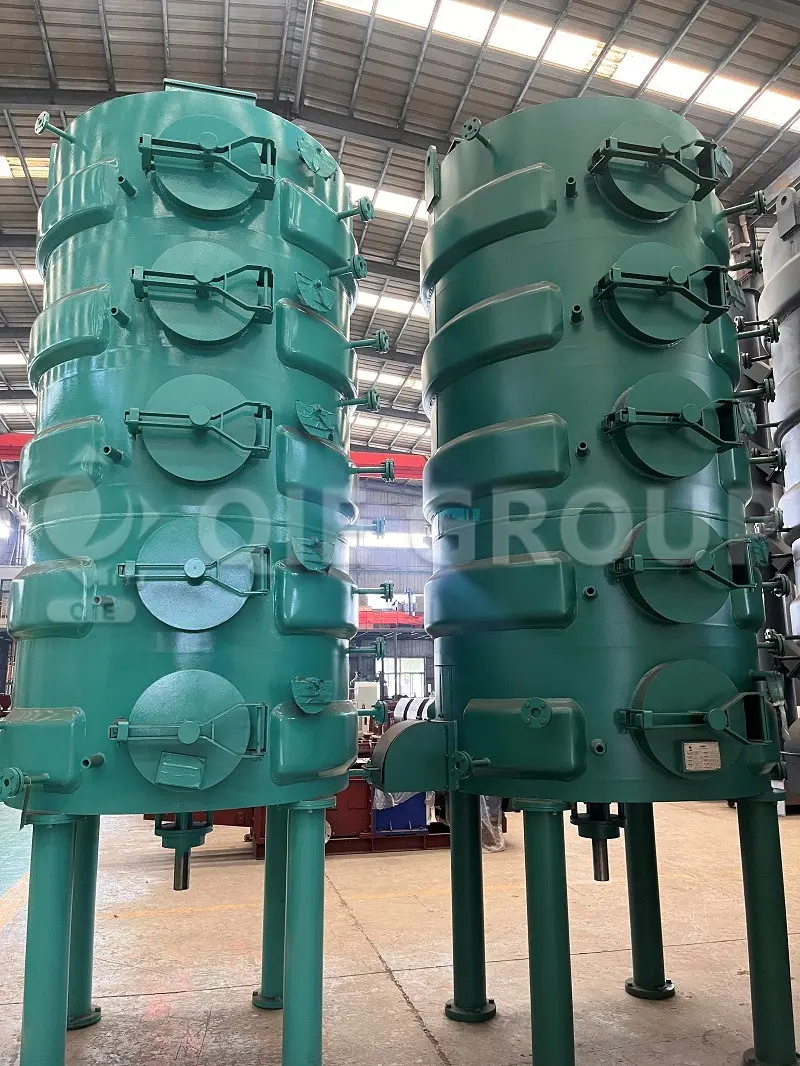
Operational Control Points:
Process Objective: To strip suspended solids, foot cake, and carbonized particles from the expelled crude oil.
Engineering Control Matrix:
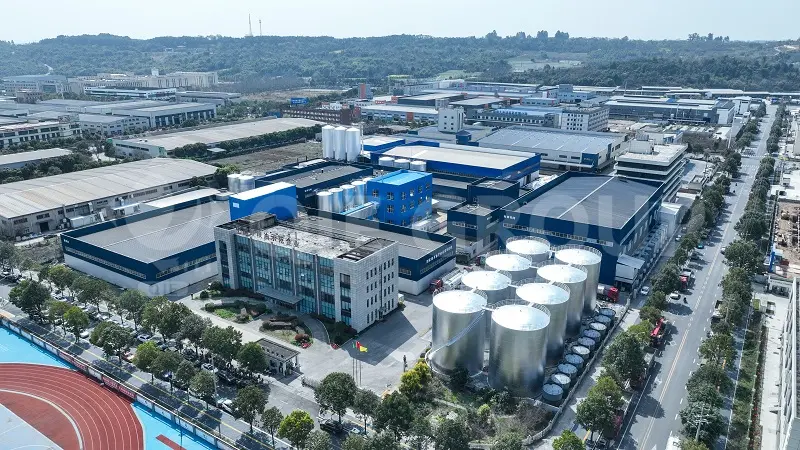
Characteristics: Compact footprint, low capital risk, fast ROI cycle.
Core Configuration: Combined Sheller & Crusher + Horizontal Rotary Roaster + Integrated Screw Oil Press with Vacuum Filtration System.
Characteristics: Fully continuous, automated processing line designed for regional commercial oil brands.
Core Configuration: Independent Vibrating Screen & De-stoner + Rubber-Roller Sheller + Toothed Roller Crusher + 4 or 5-Tier Vertical Steam Cooker + Heavy-Duty Industrial Screw Expellers (e.g., ZX/ZY series) + Automated Discharge Vertical Leaf Filter.
Characteristics: Maximum economies of scale, governed via a centralized PLC automation system.
Core Configuration: High-capacity pre-treatment lines coupled with Pre-Pressing & Solvent Extraction setups. The pre-press expellers rapidly extract roughly 60% of the available oil. The resulting cake is then transferred to a solvent extraction workshop, where n-Hexane washes out the remaining oil, driving final meal residual oil down to ≤ 0.8%.
Root Cause Analysis: 1. Improper cooking adjustments leading to sub-optimal moisture/temperature matrix. 2. Severe wear on the screw worms lowering the internal compression ratio.
Engineering Solution: Re-calibrate the cooker output moisture to 5.5% - 6.0%. Inspect screw tolerances against original blueprint specs; replace worn segments using high-chromium wear-resistant alloy parts.
Root Cause Analysis: Excessive feeding speeds overloading the barrel, or excessive moisture in the incoming meal preventing the creation of a solid, stable cake layer, causing the material to slip.
Engineering Solution: Instantly cut off the feeding conveyor. Manually clear the cake discharge choke. Marginally increase cooking temperatures to lower the press-in moisture level.
Root Cause Analysis: Over-heating in the steam cooker (> 150°C) resulting in local protein/sugar carbonization, or a high percentage of rotten/moldy kernels in the raw stock.
Engineering Solution: Dial back the steam pressure to the cooker jackets to cap press-in temperatures at 150°C. Optimize the aspiration and screening velocity on the cleaning line to aggressively cull out discolored or moldy kernels.
Extracting peanut oil via a screw press is a highly efficient, time-tested, and lucrative process. However, the long-term profitability of an edible oil plant does not hinge on a single piece of machinery. Instead, it relies on the precise parameter balance (moisture, temperature, pressure) across the entire production line.
When planning a new peanut oil processing investment, your priority should be outlining your exact target market position (premium aromatic virgin oil versus bulk refined oil) and your long-term capacity scaling model. Partnering with an experienced engineering contractor (an EPC turn-key provider) ensures optimized asset allocation, minimized energy footprints, seamless plant commissioning, and sustainable, long-term profit growth.
Initiate consulting phases with our senior industrial seed-processing engineers for tailor-made extraction line blueprints, facility ROI feasibility matrices, and comprehensive turn-key EPC pricing proposals.
 216
|
216
|
 rapeseed oil pressing production line
high oil yield
rapeseed oil pressing process
screw oil press
turnkey edible oil plant
174
|
Large screw oil press
Energy saving in peanut oil plants
Processing of high oil content raw materials
Low residual oil technology
Application of oil pressing equipment
237
|
sesame oil processing
sesame oil production line
sesame oil pressing process
why sesame oil aroma varies
sesame oil hydraulic pressing technology
118
|
rice bran oil pre-pressing
stabilization
screw press design
extraction plant engineering
oilseed pre-treatment
297
|
Ethiopian sesame oil machine
Cold pressed sesame oil equipment
High oil yield press
African sesame oil processing
Automated oil extraction
rapeseed oil pressing production line
high oil yield
rapeseed oil pressing process
screw oil press
turnkey edible oil plant
174
|
Large screw oil press
Energy saving in peanut oil plants
Processing of high oil content raw materials
Low residual oil technology
Application of oil pressing equipment
237
|
sesame oil processing
sesame oil production line
sesame oil pressing process
why sesame oil aroma varies
sesame oil hydraulic pressing technology
118
|
rice bran oil pre-pressing
stabilization
screw press design
extraction plant engineering
oilseed pre-treatment
297
|
Ethiopian sesame oil machine
Cold pressed sesame oil equipment
High oil yield press
African sesame oil processing
Automated oil extraction