
Do you often find your peanut oil press yield unsatisfactory, the oil color dark, or even experience occasional equipment malfunctions? Don't worry, most of these problems can be solved by adjusting the pre-processing technology and parameters. Today, we'll guide you through the core principles of peanut oil presses, helping you step-by-step improve oil yield, reduce energy consumption, and steadily increase your oil mill's production capacity.

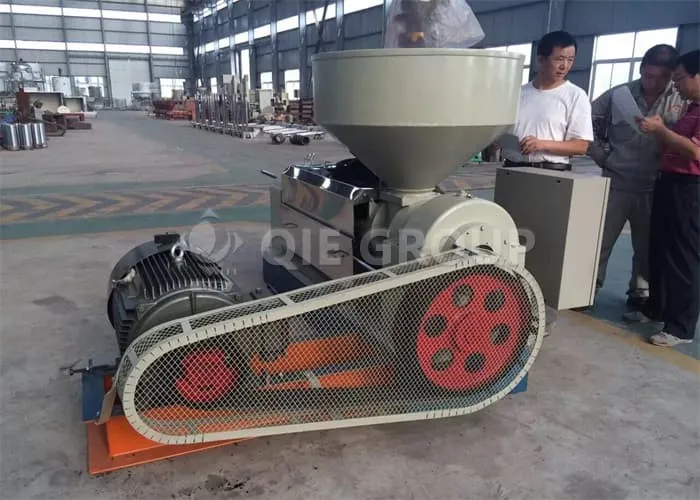
Traditional lever-type oil presses often suffer from uneven pressing and excessive oil backflow. In contrast, modern screw-propelled oil presses use continuous screw propulsion to steadily press roasted peanuts forward, allowing for even oil release.
Imagine your factory floor: peanut kernels are slowly pushed forward by a screw shaft, the oil being squeezed out little by little, rather than being rapidly pressed and leaving residual oil. This not only increases the oil yield but also reduces oil backflow and equipment load.
💡 Tip : The spiral propulsion structure offers advantages such as more even pressing, reduced waste, and better protection for oil color and quality stability. 👉 ( How to Choose Oil Pressing Equipment? 3 Key Considerations )
Pressing temperature: Ideally, it should be controlled between 110 and 135℃. Too high a temperature can increase the oil yield, but it will darken the oil color and affect the stability of the oil quality; too low a temperature will easily leave residual oil and reduce efficiency.
Screw speed and pressure valve: For small and medium-sized equipment, a speed of 18–22 rpm is recommended, and the pressure valve should be set between 50–80%. Specific values should be fine-tuned based on the hardness and moisture content of the peanut raw material. During operation, you can start with the middle value and gradually fine-tune it to the most suitable value for your raw material.
💡 Operation example : You can first adjust the speed to 20 rpm, open the pressure valve to the middle position, observe the oil output, and then gradually fine-tune to find the best balance point.
| parameter | Recommended range | Precautions |
|---|---|---|
| Pressing temperature | 110–135℃ | High temperatures affect oil color, while low temperatures result in more residual oil. |
| Screw speed | 18–22 rpm | Adjust to suit the hardness of the raw material |
| pressure valve | 50–80% | Too tight or too loose will affect the quality of the oil. |
Did you know that pretreatment accounts for half the success in increasing oil yield? Proper baking and peeling can increase oil yield by more than 3%.
Roasting temperature: Controlled at 120–150℃, maintaining peanut moisture content at 3–5%. Excessive temperature will result in the peanuts being overcooked, making it easier to extract the oil, but the oil color will darken and the flavor will be affected.
Shelling rate: Maintain above 95%. Peanut shells contain impurities; incomplete shelling will reduce pressing efficiency, obstruct oil production, and even damage the equipment. Mechanical shelling or drum shelling equipment is the recommended solution.
These steps are entirely controllable. You can adjust the baking time and temperature according to the actual situation, conduct several experiments, observe the changes in oil color and oil yield, and quickly find the optimal balance point.
| index | Before optimization | After optimization | Increase |
|---|---|---|---|
| Oil yield | 30% | 40% | +10% |
| Energy consumption | 100 kWh/ton | 85 kWh/ton | -15% |
💡 Operation suggestion : Start with the middle value, observe the oil color and oil output, and then fine-tune the pressure and feed rate to find the optimal state.
Q: Why is the oil yield consistently low?
A: Besides insufficient roasting temperature and shelling rate, peanut moisture content and feeding speed can also affect oil yield. You can first check that the moisture content after roasting is maintained at 3-5%, then evenly control the feeding speed and gradually adjust the pressure valve; the oil yield will steadily increase.
Q: My oil is yellow or dull. Is there any way to improve it?
A: A dark oil color is usually caused by excessively high pressing temperature or excessively long roasting time. Try lowering the temperature and observe the change in oil color. At the same time, keep the pressure valve at a moderate level. This will ensure both the oil yield and the clarity of the oil.
Q: Why does my oil press machine often jam?
A: Check if the screen mesh is clogged, if the screw shaft is properly lubricated, and also confirm that the feeding speed is not too fast to avoid a sudden increase in load.
Q: How can we reduce equipment wear and tear and extend its service life?
A: Regularly lubricate the screw shaft and pressure valve to avoid overheating and insufficient dehulling of raw materials. Also, keep the screen clean. 👉( What factors affect the lifespan and stability of an oil press? )
Regularly inspect the screw shaft and pressure valve, and keep them lubricated.
Clean the screen and keep it clear.
Avoid over-baking and incomplete shelling.
💡 Tip : Proper maintenance is essential for your equipment to operate efficiently and reliably for longer periods, resulting in more stable production.
 431
|
431
|
 Sunflower seed pressing energy consumption optimization
Energy-saving solutions for large screw oil presses
Pressing chamber configuration techniques
Effect of moisture content on oil yield
Energy-saving renovation of edible oil plants
270
|
Cold pressed walnut oil equipment
Hydraulic oil press
High-efficiency oil press
Food grade stainless steel press
Small factory oil pressing solution
356
|
Mustard oil press
Edible oil processing equipment
Cold pressed mustard oil
Grease Machinery
Mustard seed oil press
Mustard oil processing technology
284
|
Palm Oil Press
High efficiency and energy saving equipment
Nigerian oil refinery solutions
Palm fruit processing equipment
Automated pressing system
275
|
Ethiopian sesame oil machine
Cold pressed sesame oil equipment
High oil yield press
African sesame oil processing
Automated oil extraction
Sunflower seed pressing energy consumption optimization
Energy-saving solutions for large screw oil presses
Pressing chamber configuration techniques
Effect of moisture content on oil yield
Energy-saving renovation of edible oil plants
270
|
Cold pressed walnut oil equipment
Hydraulic oil press
High-efficiency oil press
Food grade stainless steel press
Small factory oil pressing solution
356
|
Mustard oil press
Edible oil processing equipment
Cold pressed mustard oil
Grease Machinery
Mustard seed oil press
Mustard oil processing technology
284
|
Palm Oil Press
High efficiency and energy saving equipment
Nigerian oil refinery solutions
Palm fruit processing equipment
Automated pressing system
275
|
Ethiopian sesame oil machine
Cold pressed sesame oil equipment
High oil yield press
African sesame oil processing
Automated oil extraction


