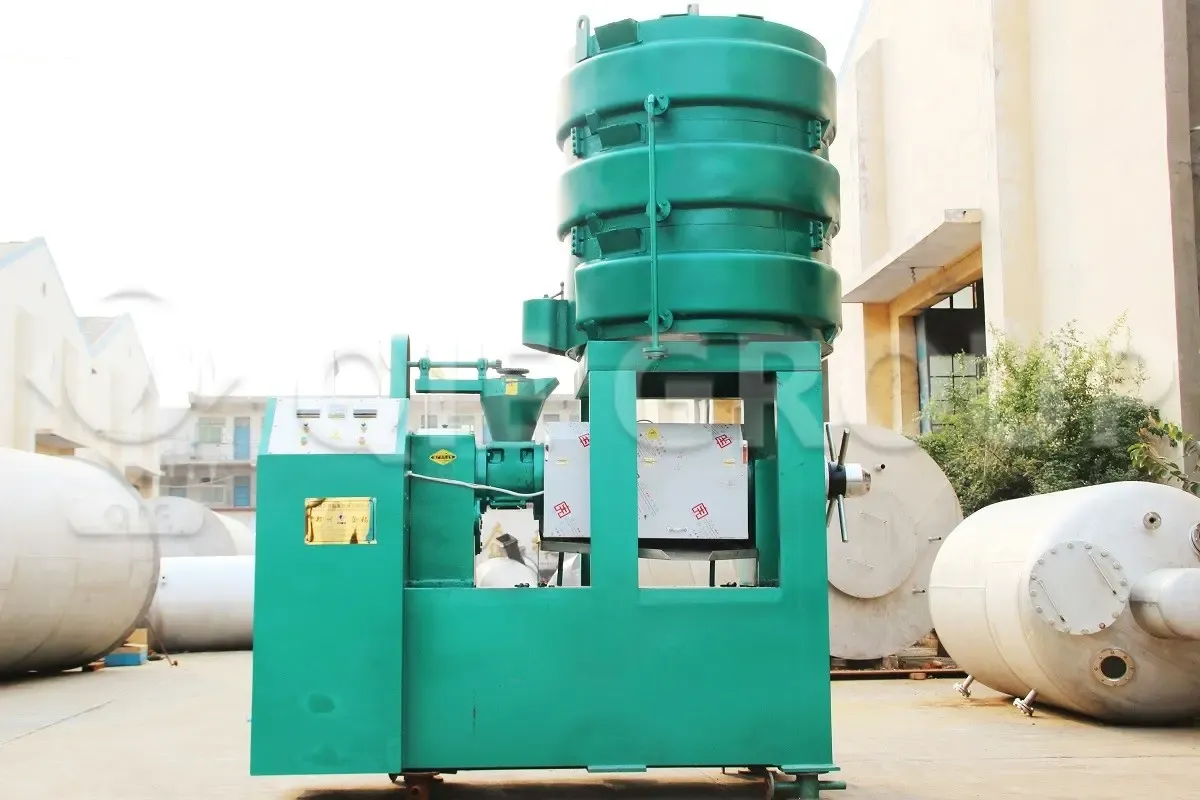
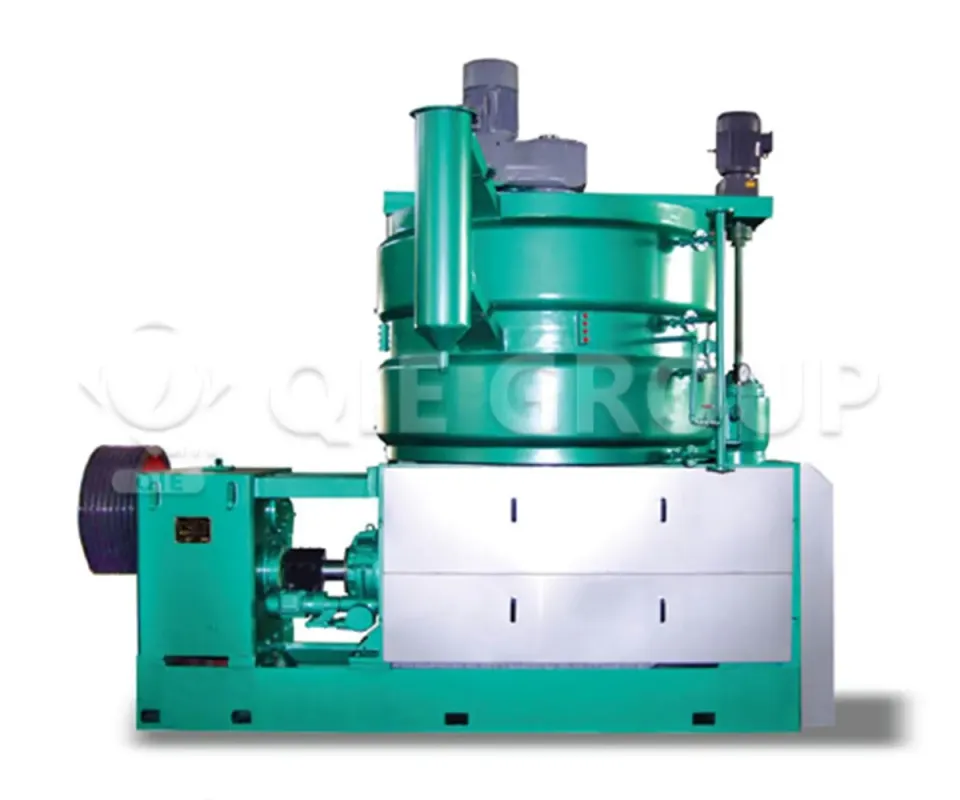
In peanut oil production, oil yield is a core indicator affecting the economic benefits of an oil mill. Oil yield not only determines raw material utilization but also directly impacts the cost and profit margin per unit of output.
For example, a 1% increase in the oil yield per ton of peanuts can yield approximately 10 kilograms more oil. At current market prices, this translates to an additional tens to hundreds of yuan in revenue per ton of raw material. Conversely, a high residual oil rate leads to significant raw material waste, naturally increasing costs.
Even if the raw materials and equipment meet the standards, many oil mills still fail to maximize their profits. The core reasons are often low oil yield, high residual oil rate, and high energy consumption.
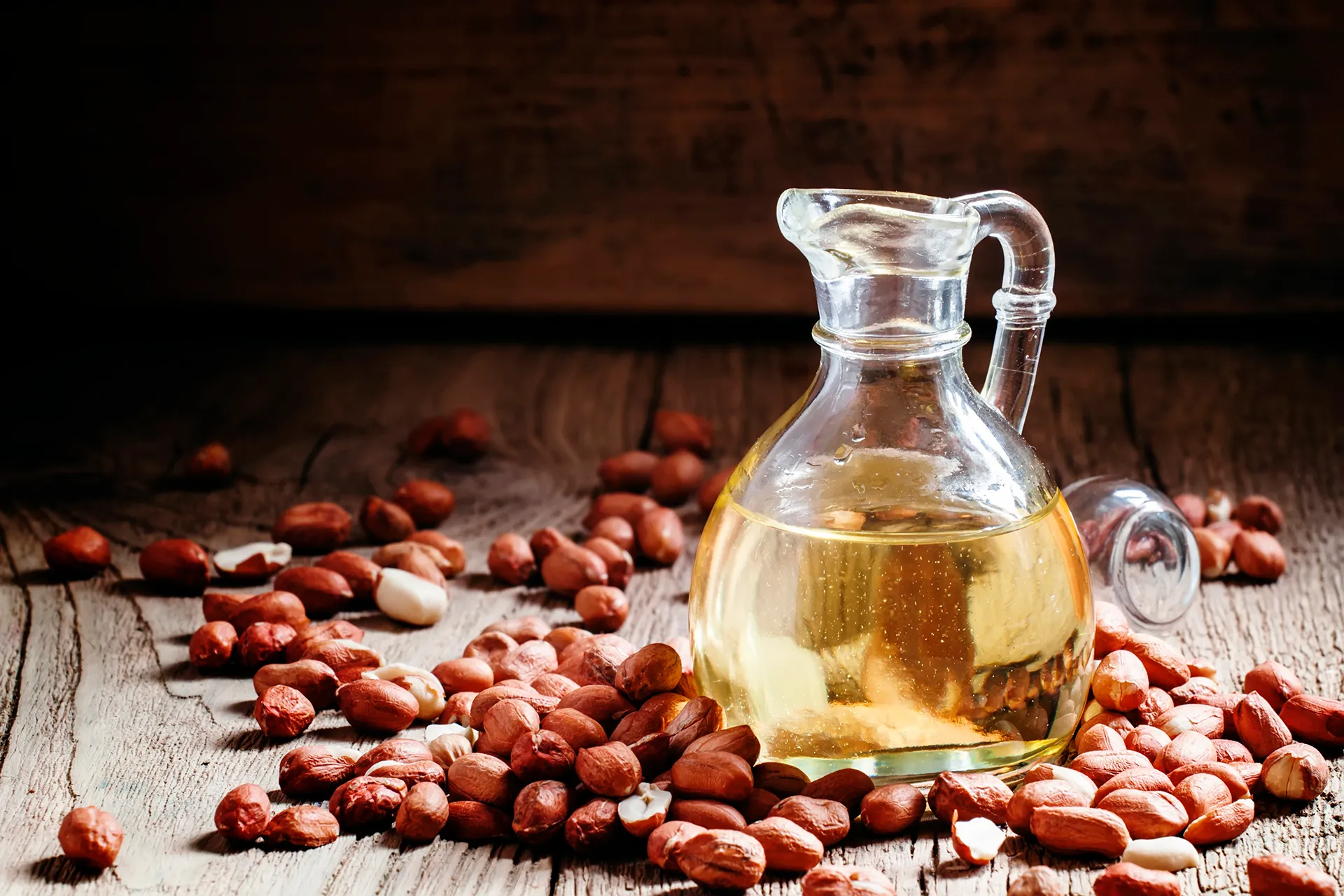
Oil yield is affected by a variety of factors, and controlling the following aspects is crucial:
Optimal moisture range : 6%–8%
Excessive moisture content increases the adhesion of oils, making them difficult to release.
Too low moisture content : Peanut kernels are too hard, reducing pressing efficiency.
Proper moisture control can significantly improve oil yield, which is a crucial aspect that is often overlooked by small and medium-sized oil mills.
Temperature reference range : approximately 110–135℃
Function : Softens fats and cell structures at suitable temperatures, improving fat fluidity.
Note : Excessive temperature can affect flavor and nutrition, while insufficient temperature limits oil extraction efficiency.
By controlling the temperature in stages, the release of oil can be maximized while ensuring the quality of the oil.
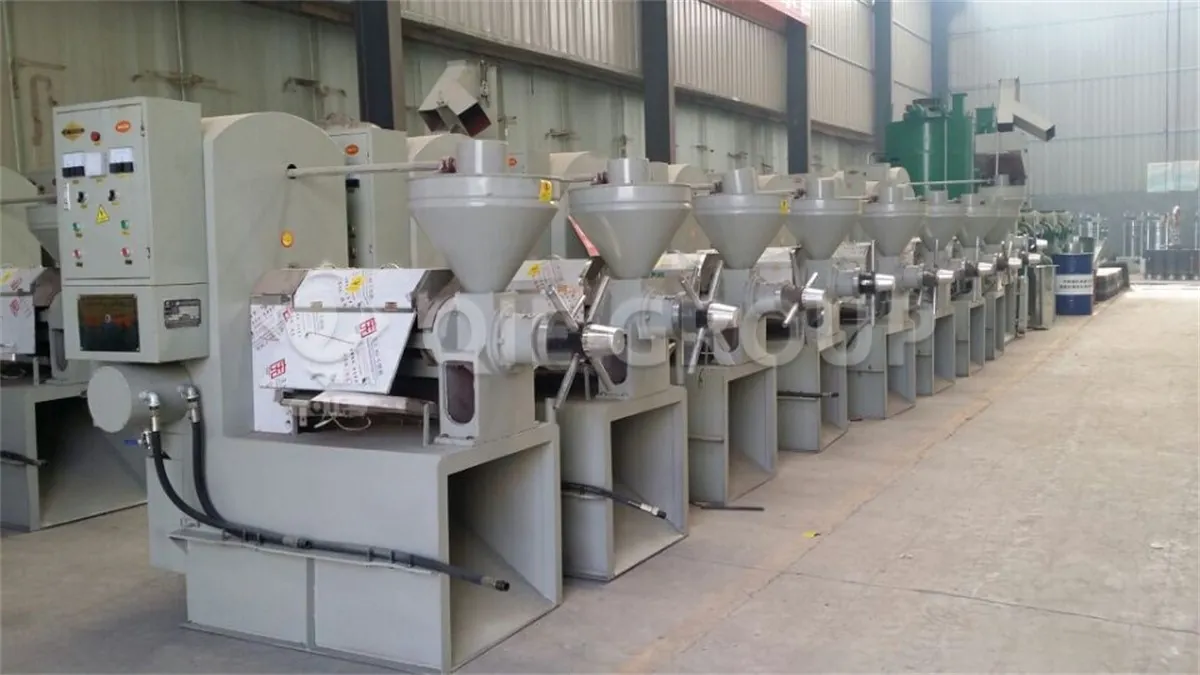
Different peanut raw materials require different types of oil presses.
The screw clearance, speed, and pressing pressure of the equipment need to be coordinated.
Insufficient process adjustment space will make it difficult to achieve a breakthrough in oil yield.
| process | Oil yield | Oil quality | Applicable Scenarios |
|---|---|---|---|
| Hot pressing | Higher, approximately 3%–5% higher than cold-pressed. | The flavor is slightly diminished, and the nutritional value is affected by heat. | Large oil mills prioritize production output. |
| Cold pressing | lower | Better flavor and nutrient retention | High-end market, small and medium-sized brands |
The specific process to use depends on a balance between target market demand and production capacity requirements. In larger plants, hot pressing is preferred due to its higher efficiency; in quality-oriented niche markets, cold pressing is more competitive. 👉( Cold Press Oil Machine: Working Principle and Main Advantages )
Cleaning impurities : removing stones, dust, etc.
Crushing and conditioning : Adjusting moisture and temperature to loosen the structure of peanut kernels, facilitating oil release.
Staged temperature control :
The initial temperature is moderate, which promotes the flow of oils.
Increase pressure in the medium term to improve oil extrusion efficiency.
Maintain temperature and pressure in the later stages to prevent a decline in oil quality.
Screw clearance and speed adjustment : Reduce residual oil and improve the economic efficiency of a single unit of equipment.
The residual oil content of the pressed residue is an important indicator for measuring process efficiency.
Mechanical pressing optimization can reduce residual oil content slightly by about 0.2%–0.5%. To further reduce it to 1%, subsequent processes such as solvent extraction are usually required.
By optimizing the pressing process, oil mills can typically achieve the following:
Oil yield increase : approximately 0.5%–1.5%
Unit output cost reduction : approximately 2%–3%
Reduced energy consumption and increased production efficiency
Break-even point achieved ahead of schedule , production capacity steadily increasing.
Our engineers, drawing on their equipment debugging experience, helped optimize the production line through meticulous process adjustments, enabling us to achieve the break-even point ahead of schedule while maintaining stable oil quality.
In summary, the key to consistently increasing peanut oil yield lies in precisely controlling peanut kernel moisture, appropriately adjusting temperature and pressure, and ensuring a harmonious match between the oil press's structure and process parameters. Neglecting any of these aspects can lead to a reduction in overall efficiency.
Drawing on QIE Group's practical experience in peanut oil pressing equipment and process debugging, continuously optimizing details and paying attention to data feedback is often more practical and reliable than simply relying on equipment upgrades. By addressing these details effectively, oil pressing efficiency is often significantly improved, further boosting the economic benefits of the oil mill.
Often, increasing peanut oil yield doesn't require complex modifications, but rather the rationality of process parameters. Subtle technological optimizations can sometimes be more effective than radical investments.
 450
|
450
|
 Oil press life
Oil press stability
Screw oil press
Hydraulic oil press
Oil press maintenance
Edible oil processing equipment
Oil press maintenance
Oil press operation precautions
441
|
Construction of large-scale pressing plants
Edible oil pressing equipment
Pressing production line installation
Edible oil processing equipment
Screw oil press installation
Cooking oil equipment manufacturers
169
|
Large screw oil press
Energy saving in peanut oil plants
Processing of high oil content raw materials
Low residual oil technology
Application of oil pressing equipment
43
|
Edible oil pressing equipment
Screw oil press
Oil refining equipment
Cold pressing production line
Edible oil processing project
155
|
Grape seed screw press oil press
Oilseed oil extraction process
Vegetable oil processing technology
Oilseed oil market trends
Efficient oil extraction technology
Oil press life
Oil press stability
Screw oil press
Hydraulic oil press
Oil press maintenance
Edible oil processing equipment
Oil press maintenance
Oil press operation precautions
441
|
Construction of large-scale pressing plants
Edible oil pressing equipment
Pressing production line installation
Edible oil processing equipment
Screw oil press installation
Cooking oil equipment manufacturers
169
|
Large screw oil press
Energy saving in peanut oil plants
Processing of high oil content raw materials
Low residual oil technology
Application of oil pressing equipment
43
|
Edible oil pressing equipment
Screw oil press
Oil refining equipment
Cold pressing production line
Edible oil processing project
155
|
Grape seed screw press oil press
Oilseed oil extraction process
Vegetable oil processing technology
Oilseed oil market trends
Efficient oil extraction technology