
This guide outlines the complete engineering and technical workflow for processing pumpkin seed oil, covering seed cleaning, dehulling, water-salting conditioning, pressing, physical clarification, light refining, and bottling. Pumpkin seeds typically contain 35% to 50% oil content. By selecting the optimal process— such as cold pressing (≤ 50° C) or hot pressing with roasting (100° C to 120° C)— the residual oil content in dry cake can be reduced to 6% to 8%, balancing high oil yield, commercial premium value, and flavor retention.
Compared to mass-market edible oils like soybean and rapeseed oil, pumpkin seed oil is a high-value specialty vegetable oil targeted at mid-to-high-end consumer markets, healthy functional foods, and gourmet culinary dressings.
For oil processing enterprises, setting up a pumpkin seed oil production line offers several key commercial advantages:
.webp)
A standard pumpkin seed oil processing plant comprises the following core engineering steps:
Raw pumpkin seeds contain dust, hemp strings, mud, stones, and metallic particles.
Pumpkin seed raw materials generally fall into two categories: hull-less seeds (bare seeds) and regular hulled seeds.
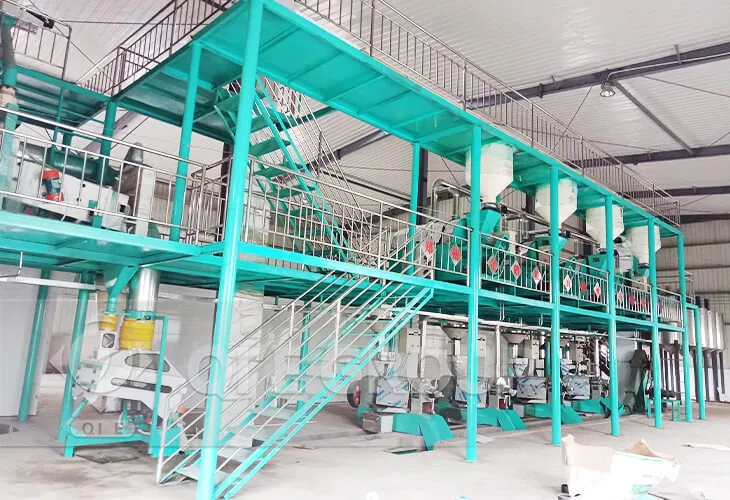
This is the most crucial technical step that distinguishes pumpkin seed oil processing (especially traditional Styrian-style) from standard oilseed extraction:
Seeds are ground to break cell walls and increase oil-yielding surface area while avoiding over-grinding, which creates excessive oil meal sludges.
Water and salt (NaCl) are introduced. Salt alters cell membrane osmotic pressure and coagulates proteins, allowing bound oil to release rapidly while catalyzing a distinct nutty aroma during roasting.
Heated progressively in a roasting cooker to evaporate moisture, coalesce oil droplets, and reduce viscosity. For pure cold-pressing, the roasting step is skipped, and seed moisture is kept around 6% to 7%.
Pressing determines overall throughput and residual oil metrics in the cake.
.webp)
Crude pumpkin seed oil contains minor fine cake particles (suspended solids) and traces of moisture.
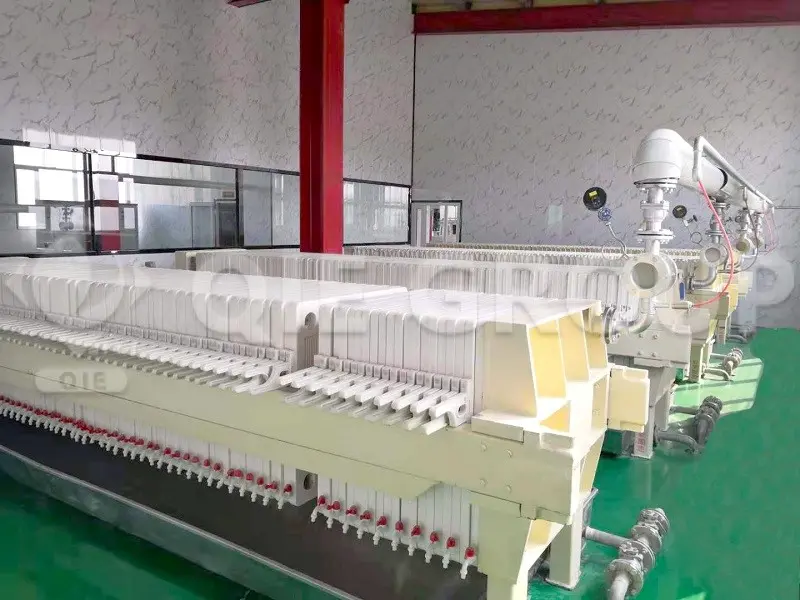
Many investors assume that "all edible oils require full refining (degumming, neutralizing, bleaching, deodorizing)." This is a common technical misconception for pumpkin seed oil.
Pumpkin seed oil contains abundant chlorophyll and carotenoids, giving it a unique "dichromatic effect" (appearing dark green in thin layers and dark red in thick layers). Traditional alkali refining, chemical bleaching, and high-temperature deodorization (> 200° C) destroy its signature natural color, authentic nutty flavor, and thermolabile nutrients, removing its market value.
.webp)
To assist in project feasibility evaluations, the table below summarizes technical and operational metrics for both processing routes:
| Key Evaluation Metric | High-End Cold Pressing Process | High-Efficiency Hot Pressing Process |
|---|---|---|
| Target Market | Extra virgin oil, organic health oil, boutique retail | Culinary dressing, commercial culinary oil, blended oil |
| Roasting/Conditioning Temp | Ambient (≤ 50°C) | 100°C to 120°C (with water-salting) |
| Oil Yield (42% seed oil content) | 32% – 34% | 35% – 37% |
| Residual Oil in Dry Cake | 8% – 10% | 6% – 8% |
| Flavor & Color | Light green to dark green, grassy scent | Deep green with dark red tint (dichromatic), intense nutty roast aroma |
| Refining / Post-Treatment | Physical settling and micro-filtration only | Primary filtration + natural settling (or light hydration) |
Enterprises should choose appropriate automation configurations based on seed supply and distribution channels:
| Processing Capacity (TPD) | Recommended Equipment List | Automation Level | Target Customer Profile |
|---|---|---|---|
| 1 – 10 TPD | Integrated cleaning screen + bucket elevator + specialized cold/hot press + plate filter press + settling tank | Semi-Automated (Manual assistance) | Small specialty mills, farm processors, startup brands |
| 10 – 20 TPD | Cleaning line + dehuller/separator + conditioning cooker + continuous screw press unit + automated filtration + micro-filtration | Medium Automation (PLC Controlled) | Medium specialty oil plants, regional leading brands |
| 20 – 50+ TPD | Automated cleaning & magnetic line + dual-stage dehulling + continuous water-salting & multi-tier cooker + high-pressure press group + winterization dewaxing + bottling line | Fully Automated (PLC Control) | Large export enterprises, specialty oil workshops of major groups |
A: The plant facility requires dry, well-ventilated areas with moisture-proof flooring to prevent raw material mold growth. Environmentally, key considerations involve managing light oil fumes from the roasting stage (requiring oil mist purifiers and activated carbon filters) and dust control during seed cleaning (requiring pulse jet bag dust collectors). The physical pressing and filtration processes generate virtually no high-concentration industrial wastewater, making it easy to meet green factory environmental standards.
A: Wear part longevity largely depends on seed cleaning efficiency and continuous operational conditions. When magnetic separators and de-stoners keep sand and metal impurities below ≤ 0.5%, carburized alloy press screws and bars typically offer a service life of 1,500 to 2,500 operating hours. Keeping 1 to 2 spare sets of original screw assemblies on-site and instituting regular hardfacing weld maintenance can significantly minimize unexpected downtime losses.
A: Unrefined pumpkin seed oil is naturally rich in tocopherols (Vitamin E), offering strong natural antioxidant protection. Stored away from light, nitrogen-flushed, sealed, and kept at room temperature (< 20° C), the shelf life is generally 12 to 18 months.
 398
|
398
|
 oil press machine
oil press cost
edible oil plant investment
high-efficiency oil press
oil yield
185
|
Grape seed screw press oil press
Oilseed oil extraction process
Vegetable oil processing technology
Oilseed oil market trends
Efficient oil extraction technology
157
|
Soybean crushing
Residual oil rate optimization
Large oil press
Oil refinery energy-saving upgrade
Screw oil press
177
|
Cottonseed pressing
Multi-stage screw oil press
High-fiber oilseeds
Increased oil yield
residual oil content
130
|
walnut oil processing plant cost
walnut oil machine price
walnut oil extraction plant
cold pressed walnut oil equipment
walnut oil refinery plant
walnut oil processing project budget
oil press machine
oil press cost
edible oil plant investment
high-efficiency oil press
oil yield
185
|
Grape seed screw press oil press
Oilseed oil extraction process
Vegetable oil processing technology
Oilseed oil market trends
Efficient oil extraction technology
157
|
Soybean crushing
Residual oil rate optimization
Large oil press
Oil refinery energy-saving upgrade
Screw oil press
177
|
Cottonseed pressing
Multi-stage screw oil press
High-fiber oilseeds
Increased oil yield
residual oil content
130
|
walnut oil processing plant cost
walnut oil machine price
walnut oil extraction plant
cold pressed walnut oil equipment
walnut oil refinery plant
walnut oil processing project budget


