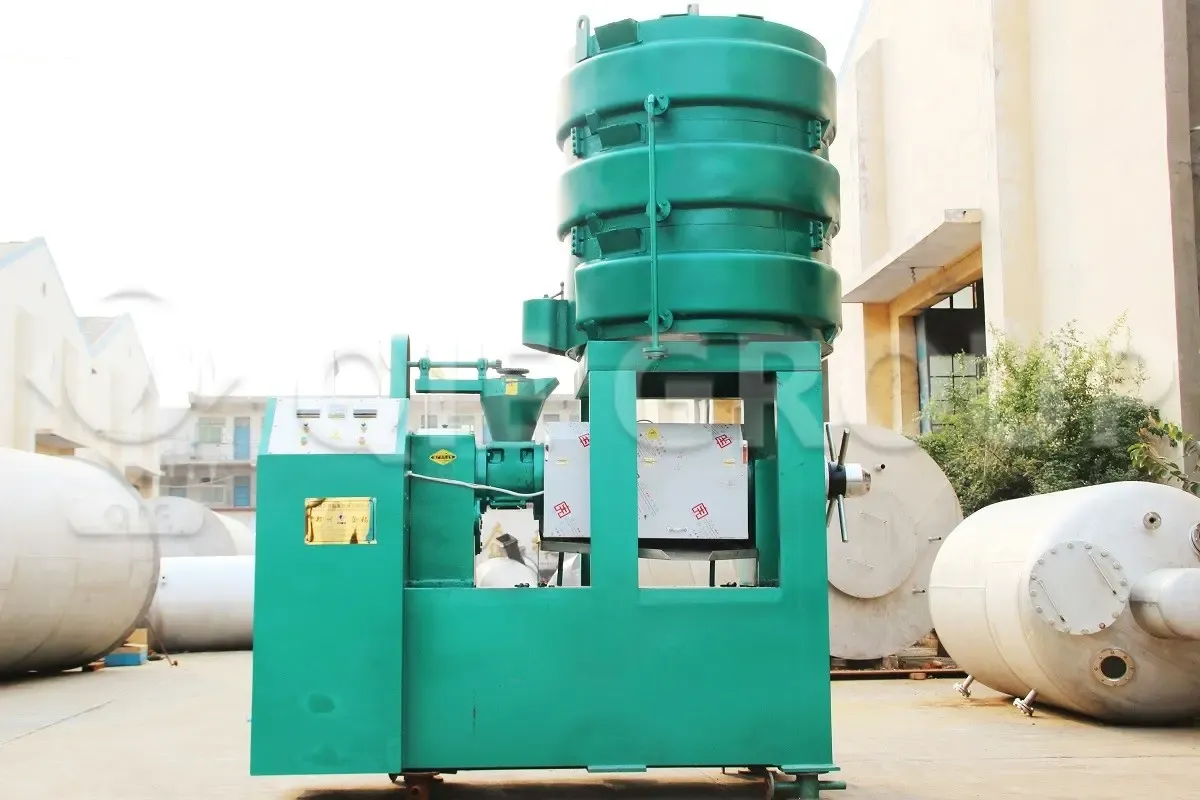
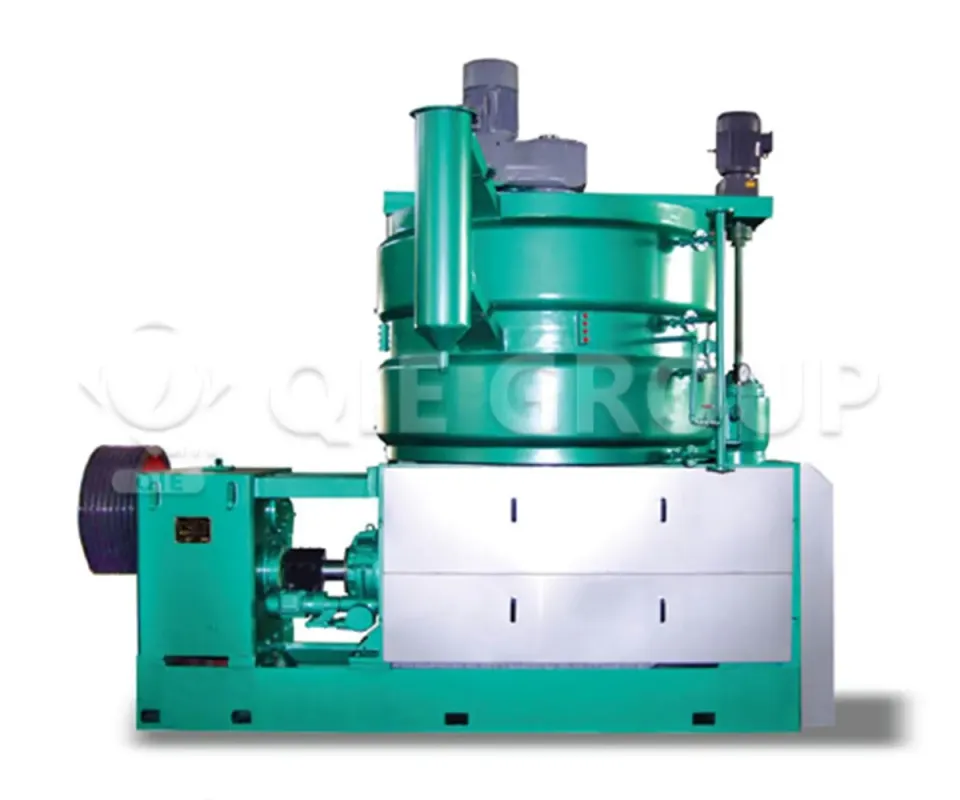
Cottonseed, due to its high fiber content, dense texture, and complex protein structure, has long been considered a typical "difficult-to-press" oilseed. Traditional single-stage pressing equipment is prone to problems such as material blockage, low oil yield, high residual oil content, and increased energy consumption when processing cottonseed. For large oil mills, equipment compatibility directly affects production efficiency and economic benefits.
To address this challenge, we have developed a large-scale multi-stage screw oil press that achieves continuous and efficient pressing of high-fiber, high-protein oilseeds through segmented pressurization, stepped propulsion, and optimized screw structure. This article will provide a comprehensive analysis of the process principles, equipment structure, performance, and economic value, enabling you to master the key technologies for efficient pressing of high-fiber oilseeds.

Due to its unique physicochemical properties, cottonseed often faces the following challenges in traditional pressing processes:
High fiber content : makes compression molding difficult, prone to rebound, and affects the establishment of pressure in the pressing chamber.
Cottonseed protein has a complex structure : it is easily denatured during processing, forming a dense structure that encapsulates oil particles and reduces oil extraction efficiency.
Dense texture and difficulty in oil release : requires a longer pressing path and stronger shear force.
High residual oil content and high energy consumption : Single-stage pressing equipment is unable to fully reduce the residual oil content, resulting in resource waste and increased production costs.
Results showed that the overall oil yield was low, the residual oil rate was high, energy consumption was high, and equipment operational stability was reduced. Optimizing the pressing process and equipment structure technology became the key to improving cottonseed pressing efficiency.
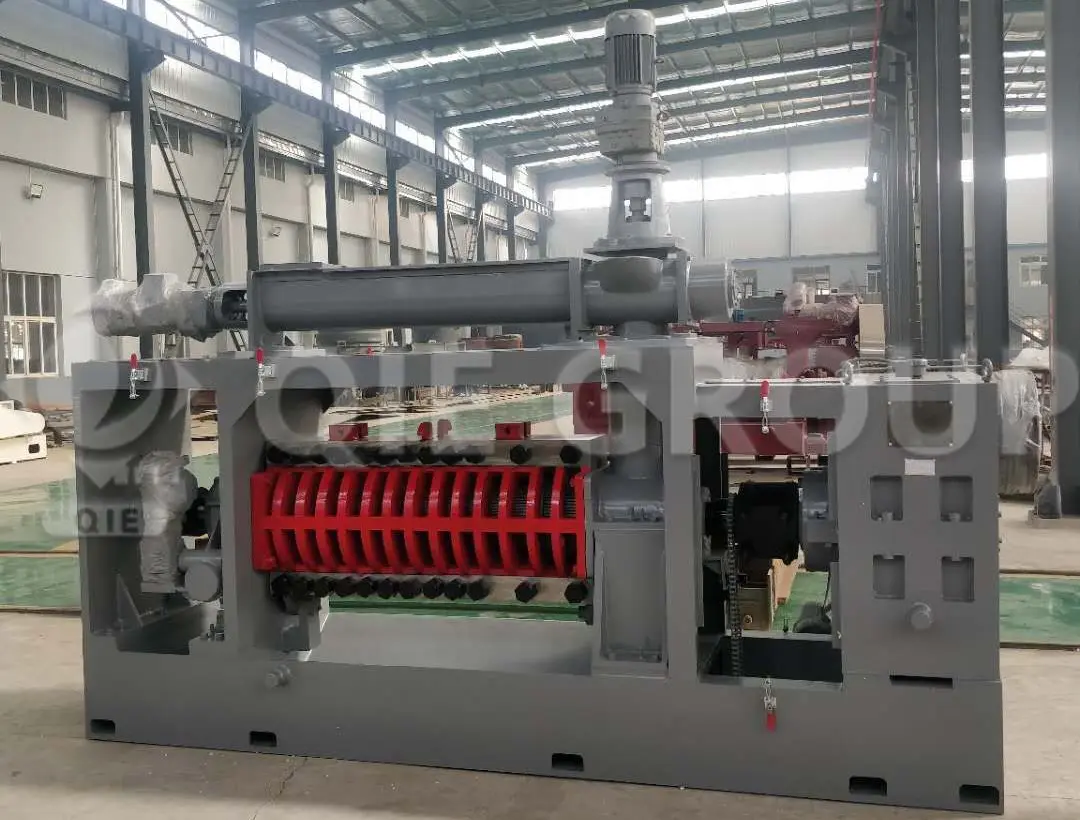
Our company's multi-stage screw oil press features a multi-stage pressing chamber structure designed for high-fiber oilseeds. Through segmented, step-by-step pressurization, it ensures more complete oil release and solves the problem of oil retention in cottonseed. The core technologies mainly include the following aspects:
The equipment uses a segmented pressing structure, with each stage having different screw pitch, compression ratio, and oil discharge gap.
Objective: To allow the raw materials to fully deform and break down their cell walls within different pressure ranges, so that the oils can be gradually extracted.
This design significantly enhances the oil removal process, rather than relying on "squeezing it all out with a single press," making it more suitable for materials that are difficult to compress, such as cottonseed.
Conventional screw presses are prone to "material slippage" or "material buildup" when processing high-fiber materials. 👉( What factors affect the lifespan and stability of an oil press? )
Our gradient spiral design continuously reduces the screw pitch, allowing the material to be steadily propelled inside the pressing chamber while enhancing shear force, making it easier to release oil from the fibers.
Cottonseed fibers are highly abrasive. Our oil press uses wear-resistant alloy materials and an overall hardening process in key components to improve the service life of the screw and press bars, which is extremely important for large-scale oil plants with continuous production.
Under high cottonseed load conditions, the equipment must have greater starting torque and anti-clogging capabilities.
Variable frequency drive enables the equipment to automatically adjust the speed according to the characteristics of the material, maintain a stable pressing curve, and effectively reduce material blockage and energy consumption fluctuations.
Increased oil yield : Segmented pressurization ensures full release of grease, resulting in an overall oil yield that is 3%–6% higher than that of ordinary single-stage equipment.
The residual oil content of the residue decreased : the residual oil content of cottonseed was reduced to 7%–9%, thus reducing raw material loss.
Energy consumption optimization : By stabilizing the pressing curve, the steam and electricity consumption per unit of oilseed is reduced by 5%–10%.
Stable continuous production : low material blockage rate and extended equipment maintenance cycle.
It has wide compatibility with raw materials : it is suitable for high-fiber oilseeds such as cottonseed, oil cotton, and chili seeds.
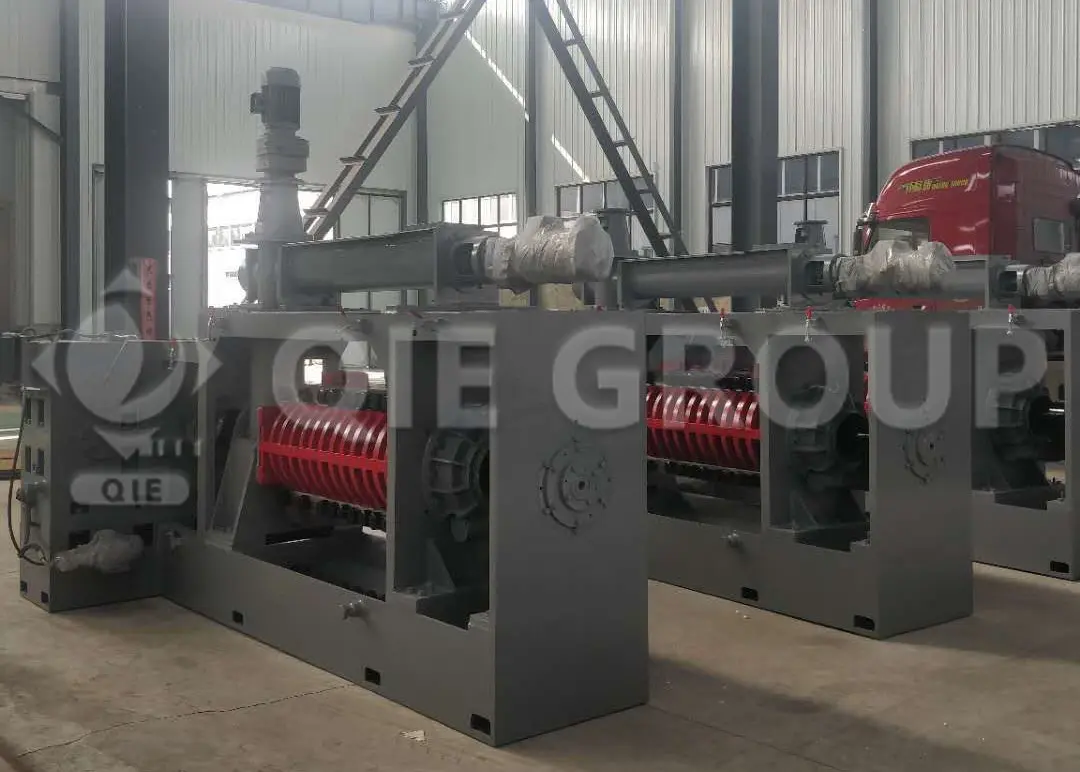
In actual projects, many large oil mills have generally achieved the following improvements after upgrading their multi-stage oil presses:
Overall efficiency of the pressing line improved : throughput increased per unit time.
Improved raw material utilization : Reduced residual oil content brings significant benefits.
Better production line stability : reduced downtime, reduced material blockage, and reduced maintenance frequency.
Leaching section load decrease
The quality of refined oil products is more stable.
These improvements, when combined, can often bring considerable economic benefits to a company within a year.
Improved raw material utilization : increased oil yield and reduced residual oil content → annual savings of millions of dollars in raw material costs.
Extended equipment lifespan : Improved wear resistance reduces unplanned maintenance frequency 👉( How to increase the oil yield of an oil press? Five key optimization directions )
Increased capacity utilization : longer continuous operating time, resulting in more stable market deliveries.
Improved overall profitability : Reduced production costs, increased oil output, and improved customer satisfaction.
Internationally standardized production : Products meet multiple quality certifications
Extensive project experience : Implementation cases in oil refineries worldwide, providing complete process design solutions.
Customized service : Our engineering team adjusts equipment parameters to suit the type of raw materials and production capacity.
Continuous technological innovation : Ensuring equipment performance and market leadership
Our professional capabilities, authoritative engineering experience, and continuous technological innovation ensure the engineering performance and market leadership of our products, winning widespread industry recognition.
If you are currently experiencing the following problems:
Cottonseed is difficult to press and frequently clogs?
Unstable oil yield? High residual oil content?
Energy consumption is increasing?
Is the existing equipment unsuitable for high-fiber raw materials?
QIE Group's engineering team can provide process assessments, technical solutions, and equipment configuration recommendations to help oil plants achieve stable and efficient production.
 450
|
450
|
 Oil press life
Oil press stability
Screw oil press
Hydraulic oil press
Oil press maintenance
Edible oil processing equipment
Oil press maintenance
Oil press operation precautions
356
|
Mustard oil press
Edible oil processing equipment
Cold pressed mustard oil
Grease Machinery
Mustard seed oil press
Mustard oil processing technology
43
|
Edible oil pressing equipment
Screw oil press
Oil refining equipment
Cold pressing production line
Edible oil processing project
151
|
Sunflower Seed Oil Press Machine
High quality cooking oil
Screw oil press
Hydraulic oil press
Improved oil quality
155
|
Grape seed screw press oil press
Oilseed oil extraction process
Vegetable oil processing technology
Oilseed oil market trends
Efficient oil extraction technology
Oil press life
Oil press stability
Screw oil press
Hydraulic oil press
Oil press maintenance
Edible oil processing equipment
Oil press maintenance
Oil press operation precautions
356
|
Mustard oil press
Edible oil processing equipment
Cold pressed mustard oil
Grease Machinery
Mustard seed oil press
Mustard oil processing technology
43
|
Edible oil pressing equipment
Screw oil press
Oil refining equipment
Cold pressing production line
Edible oil processing project
151
|
Sunflower Seed Oil Press Machine
High quality cooking oil
Screw oil press
Hydraulic oil press
Improved oil quality
155
|
Grape seed screw press oil press
Oilseed oil extraction process
Vegetable oil processing technology
Oilseed oil market trends
Efficient oil extraction technology