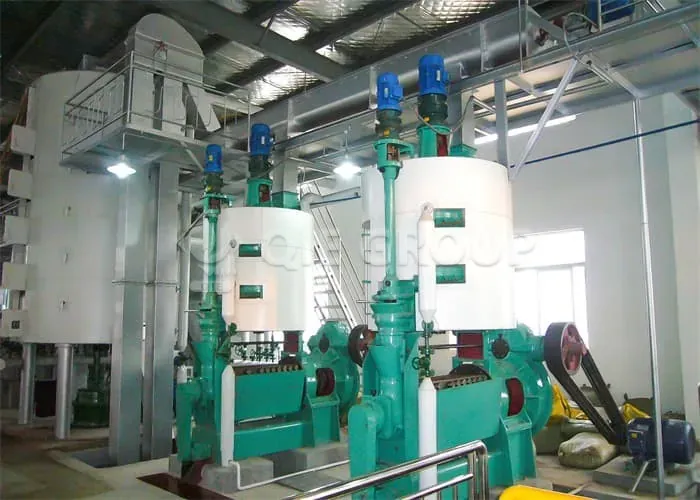
Rapeseed oil pressing is often regarded as a mature and well-established process. However, in real industrial projects, it remains one of the most frequent sources of unstable operation, fluctuating oil yield, and uncontrolled refining costs. The root cause is rarely a single machine or insufficient press capacity, but a structural mismatch between the natural variability of rapeseed raw materials and the rigid requirements of continuous industrial production.
Extensive engineering practice shows that:
The core challenge of rapeseed oil pressing is not whether oil can be extracted, but whether it can be extracted stably, predictably, and sustainably under fluctuating raw material conditions.
Simply replacing a press with a larger or higher-pressure model rarely solves problems such as choking, load instability, or deterioration of crude oil quality.
Only by viewing rapeseed oil pressing as a system engineering problem, integrating pretreatment, pressing, and crude oil handling, can a long-term balance be achieved between oil yield, oil quality, and operational stability. 👉 (What factors affect the lifespan and stability of an oil press?)
This article systematically analyzes the key engineering challenges of rapeseed oil pressing and provides practical, implementable solutions for both new project planning and existing plant upgrades.
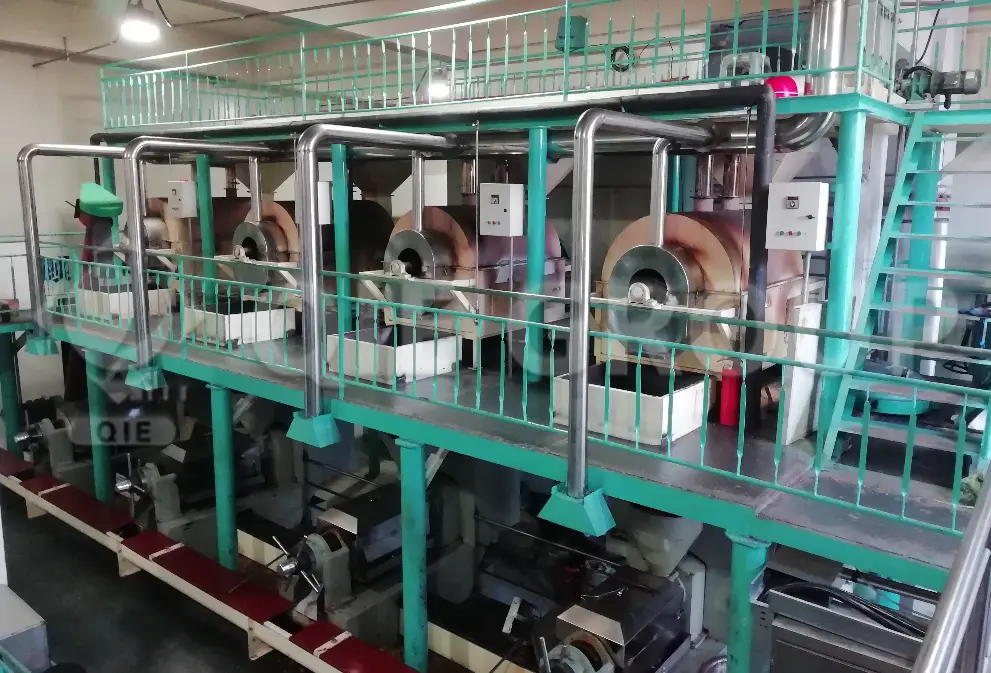
As the world's second-largest vegetable oil, rapeseed oil is produced through a process that appears mature on the surface, yet conceals significant system-level challenges. Pressing efficiency, oil quality stability, and equipment reliability form a delicate triangular balance—any imbalance will directly translate into production fluctuations, rising operating costs, or quality risks.
The fundamental contradiction lies in the conflict between the natural variability of rapeseed raw materials and the rigid operating conditions required by continuous industrial processing.
Raw material characteristics define the starting point of process design and are the root cause of many downstream engineering problems.
Rapeseed typically contains a high hull proportion, usually 18–25%, with a dense hull–kernel structure that is difficult to separate efficiently. Without effective dehulling and separation:
Pre-press oil yield tends to fluctuate within 36–42%;
Broken hulls mixed into flakes significantly increase screw and cage wear;
Meal fiber content rises, reducing its economic value as animal feed.
From an engineering perspective, high hull content itself is not the problem—uncontrolled hull content is.
Rapeseed naturally contains glucosinolates, phospholipids, and gums, all of which adversely affect pressing and downstream refining:
Under moist-heat conditions, glucosinolates enzymatically decompose into isothiocyanates, causing crude oil odor issues and accelerating equipment corrosion;
Elevated phospholipid and gum content increases crude oil viscosity, raises pressing resistance, and significantly increases degumming and bleaching losses.
Engineering experience shows that these issues are often amplified during pressing, rather than suddenly appearing during refining.
Significant variations exist among rapeseed sources, varieties, and seasons:
“Double-low” Canadian rapeseed differs markedly from high-erucic-acid varieties in oil content, gums, and glucosinolate levels;
Seasonal moisture fluctuations directly affect conditioning and pressing windows;
Variations in oil and hull content make fixed operating parameters unsuitable for long-term stable operation.
Engineering conclusion: if raw material variability is not considered in process design, unstable operation becomes the norm rather than the exception.
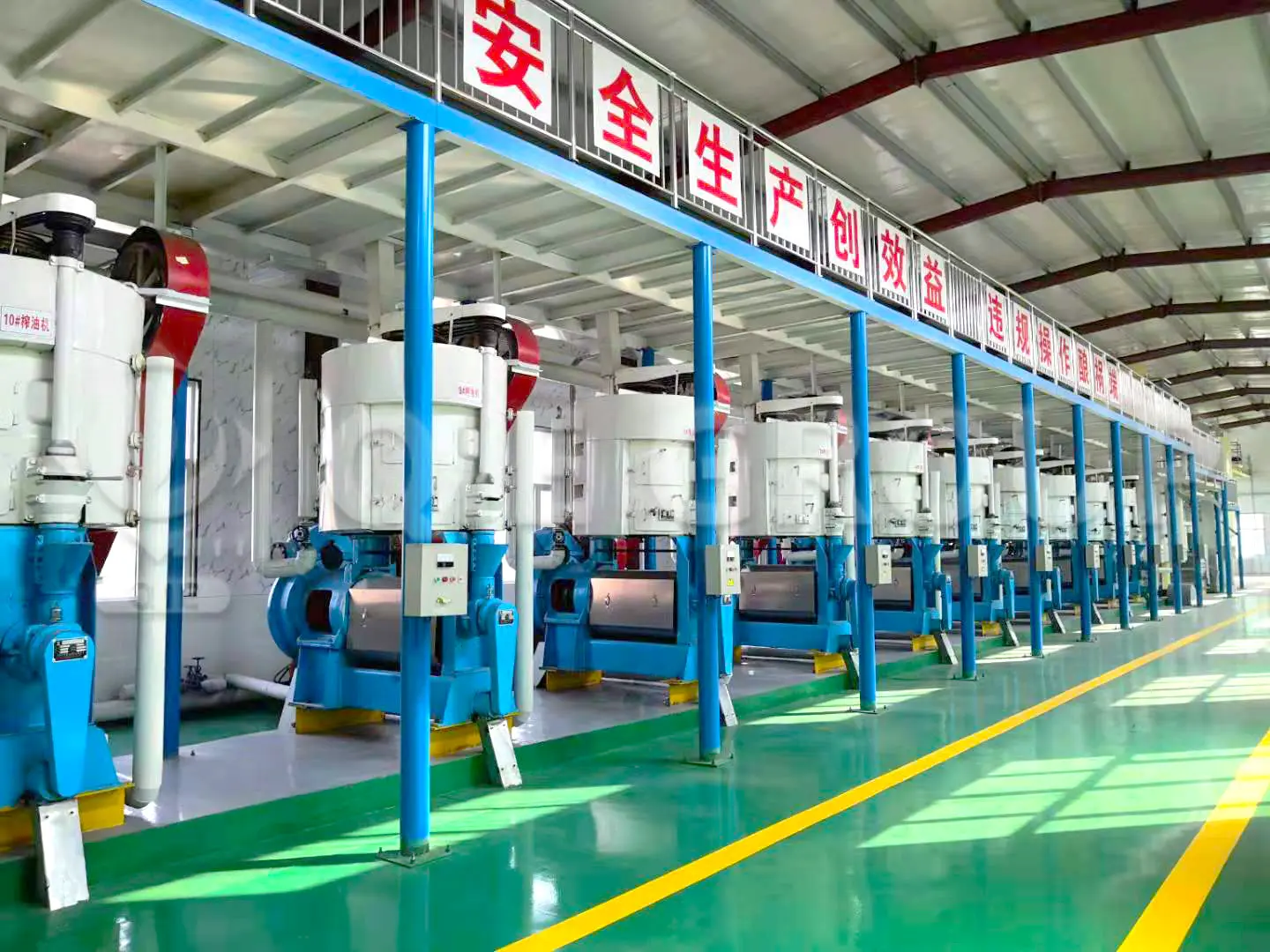
Pretreatment is not merely an auxiliary step before pressing—it is the foundation that determines whether pressing can be controlled and stabilized.
Light impurities accelerate equipment wear;
Heavy impurities (metal, stones) are a major cause of mechanical failure and unplanned shutdowns.
Given rapeseed’s high hull content, efficient hull–kernel separation typically requires a combination of screening, aspiration, and impact dehulling technologies. In engineering practice:
💡 Stable pressing performance is generally achievable only when hull content entering the press is controlled at ≤8%.
Rapeseed conditioning is highly sensitive to moisture and temperature. Typical engineering ranges are: moisture: 5–7%, temperature: 60–80°C.
A moisture deviation of just ±0.5% can lead to significant operational differences:
Too low: poor plasticity, restricted flow, increased choking risk;
Too high: overly soft material, cloudy oil, higher meal spoilage risk.
Moderate preheating reduces flaking energy consumption and improves flake structure, but must be coordinated with flaking parameters:
Typical flake thickness: 0.3–0.5 mm;
Excessive thickness inhibits oil release;
Excessive thinness increases fines generation and steam consumption.
Pretreatment conditions directly determine meal structure and nutritional value:
Over-conditioning or excessive breakage leads to powdery meal and higher solvent consumption in extraction;
Overly compact structure reduces solvent penetration and extraction efficiency;
Improper temperature and moisture cause protein denaturation and reduced palatability.
Engineering conclusion: pretreatment affects not only oil yield, but also by-product value, making it a key driver of overall project economics.
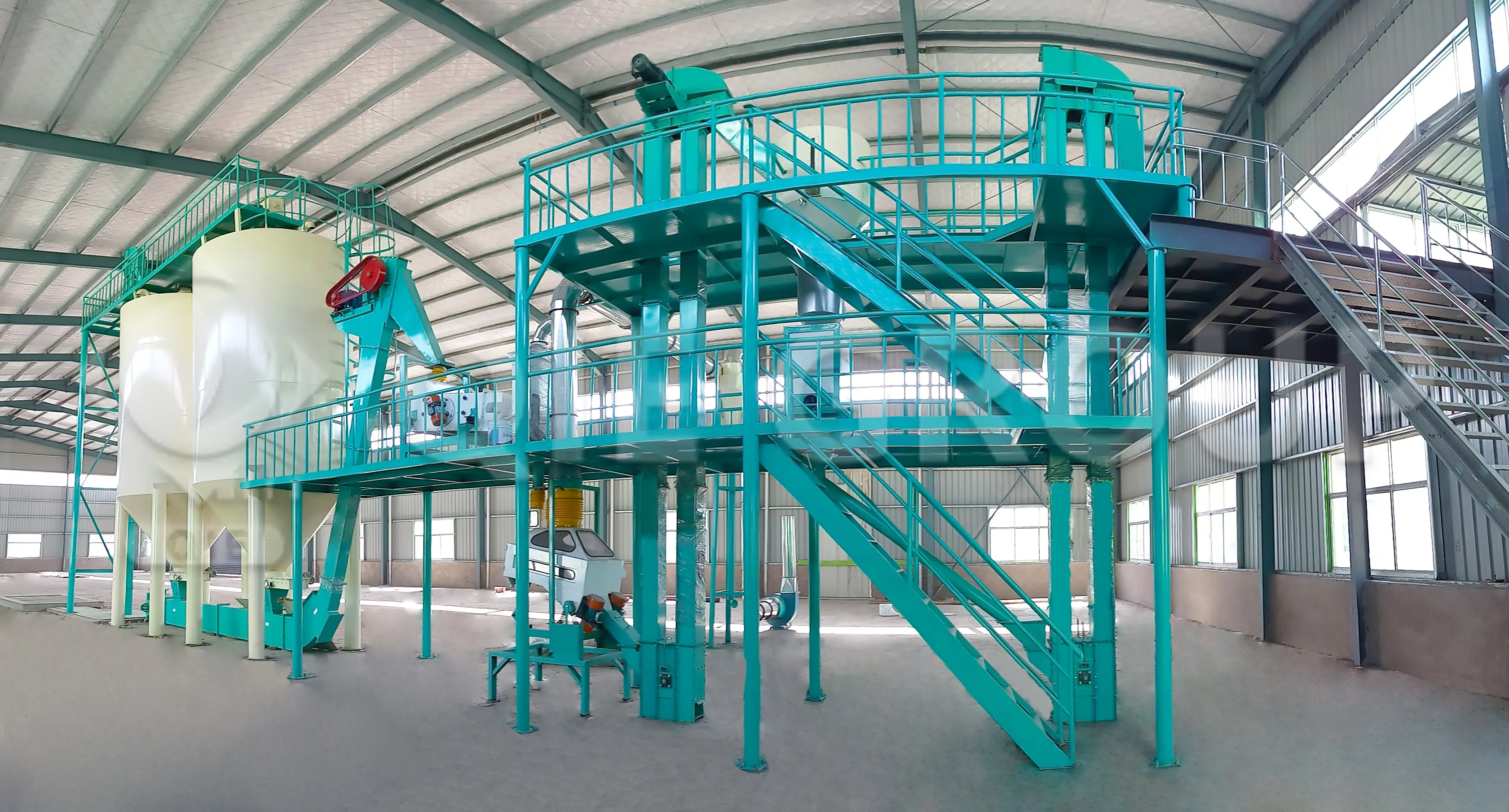
The pressing section is where multiple contradictions converge.
Frictional and compressive heat generation inside the press is unavoidable. When heat generation exceeds dissipation and local temperatures exceed 120°C, risks increase sharply:
Darkened oil color due to pigment transformation and gum denaturation;
Degradation of heat-sensitive nutrients such as vitamin E;
Formation of peroxides and polymers, significantly increasing refining load.
Screw geometry, pressure profile, and shaft speed jointly determine shear force:
Insufficient shear → high residual oil in cake;
Excessive shear → excessive fines, oil channel blockage, accelerated wear.
Under variable raw material conditions, the optimal shear force is a dynamic range, not a fixed setting.
Choking caused by moisture variation, hull content, inadequate conditioning, or wear;
Load fluctuation driven by unstable feed rate or delayed pressure adjustment, directly reflected in motor current variation.
These symptoms usually indicate systemic imbalance rather than isolated equipment failure.
Focusing solely on press capacity or theoretical oil yield while ignoring compatibility with pretreatment and crude oil handling is a common design pitfall.
Engineering conclusion: unstable press operation is often the result of system mismatch, not press design alone.
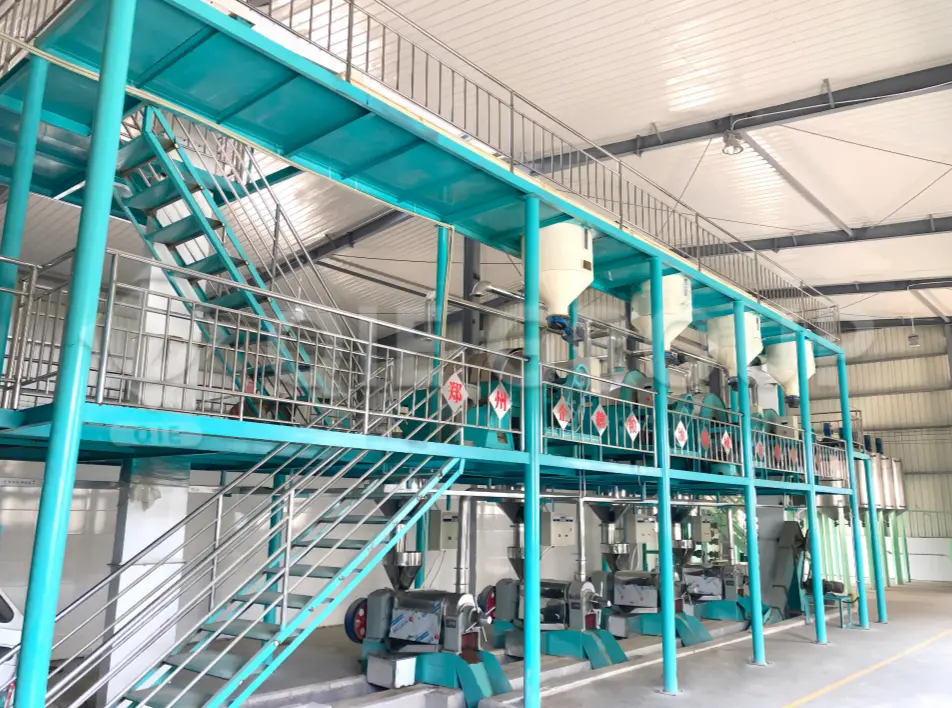
Raw material assessment first: oil content, hull ratio, moisture, gums, glucosinolates;
Decision logic:
Hull content >20% or high meal value target → dehulling strongly recommended;
High raw material variability → enhanced conditioning control and online monitoring;
Premium cold/physical pressed oil positioning → strict temperature limits, accepting some oil yield trade-off.
Zoned press temperature control (e.g. ~105°C in front zones, ≤120°C in rear zones);
Adaptive control based on motor current–pressure feedback, adjusting screw speed and cake thickness in real time.
Buffer bins between pretreatment and pressing to absorb upstream fluctuations;
Crude oil filtration and cooling capacity exceeding peak press output;
Linked monitoring and feedback of key parameters (moisture, temperature, motor load, oil temperature).
The objective of pressing is not only oil yield, but stable crude oil quality (color, acid value, peroxide value, phospholipid fluctuation). Stable crude oil significantly reduces refining losses and improves overall profitability.
Pure mechanical pressing typically cannot reduce residual oil in cake below 5%. For plants above 100 t/day seeking total oil recovery >98%, a pre-pressing–solvent extraction route is usually more economical.
Poor performance is often caused by:
Inadequate pretreatment capacity or control;
System bottlenecks and mismatched capacities;
Incorrect process route selection for the given raw material.
Targeted system upgrades typically deliver better ROI than replacing a single press.
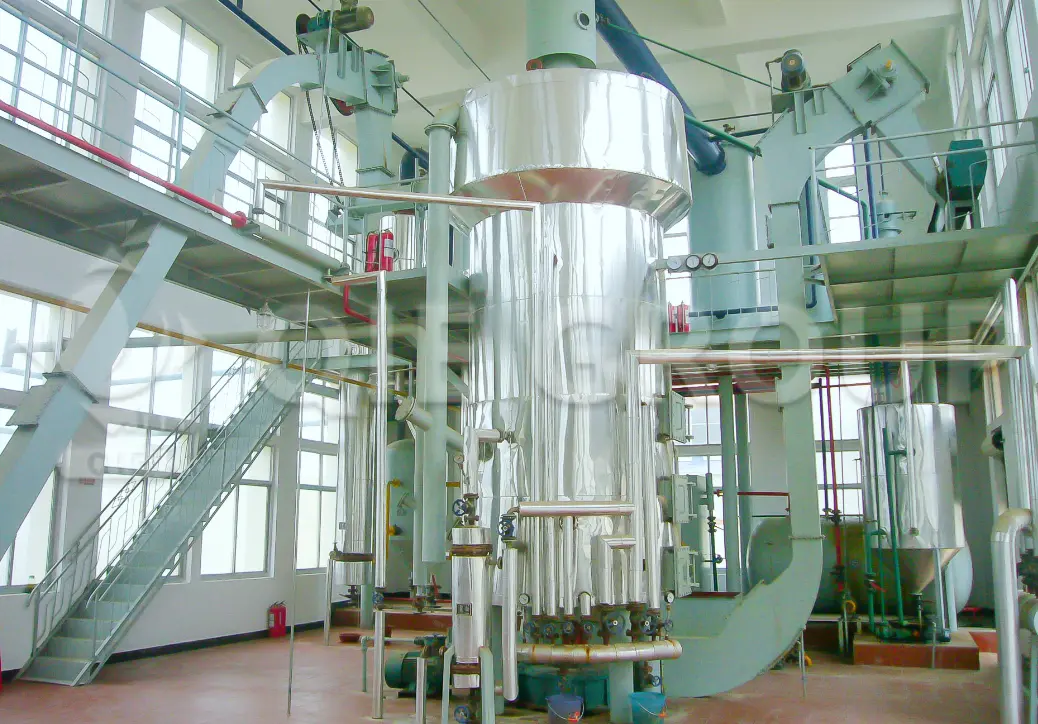
Rapeseed oil pressing involves tightly coupled thermal, mechanical, and chemical interactions. Successful solutions must balance process adaptability, operational stability, and long-term economic performance.
QIE GROUP focuses on engineering-led rapeseed oil processing solutions, providing turnkey projects covering raw material evaluation, process route design, system integration, and long-term operational support. Our goal is to help clients achieve stable, efficient, and sustainable production under complex and variable raw material conditions.
 431
|
431
|
 Sunflower seed pressing energy consumption optimization
Energy-saving solutions for large screw oil presses
Pressing chamber configuration techniques
Effect of moisture content on oil yield
Energy-saving renovation of edible oil plants
477
|
oil press working principle
screw oil press
commercial oil press
edible oil production process
vegetable oil processing equipment
270
|
Cold pressed walnut oil equipment
Hydraulic oil press
High-efficiency oil press
Food grade stainless steel press
Small factory oil pressing solution
155
|
Grape seed screw press oil press
Oilseed oil extraction process
Vegetable oil processing technology
Oilseed oil market trends
Efficient oil extraction technology
275
|
Ethiopian sesame oil machine
Cold pressed sesame oil equipment
High oil yield press
African sesame oil processing
Automated oil extraction
Sunflower seed pressing energy consumption optimization
Energy-saving solutions for large screw oil presses
Pressing chamber configuration techniques
Effect of moisture content on oil yield
Energy-saving renovation of edible oil plants
477
|
oil press working principle
screw oil press
commercial oil press
edible oil production process
vegetable oil processing equipment
270
|
Cold pressed walnut oil equipment
Hydraulic oil press
High-efficiency oil press
Food grade stainless steel press
Small factory oil pressing solution
155
|
Grape seed screw press oil press
Oilseed oil extraction process
Vegetable oil processing technology
Oilseed oil market trends
Efficient oil extraction technology
275
|
Ethiopian sesame oil machine
Cold pressed sesame oil equipment
High oil yield press
African sesame oil processing
Automated oil extraction