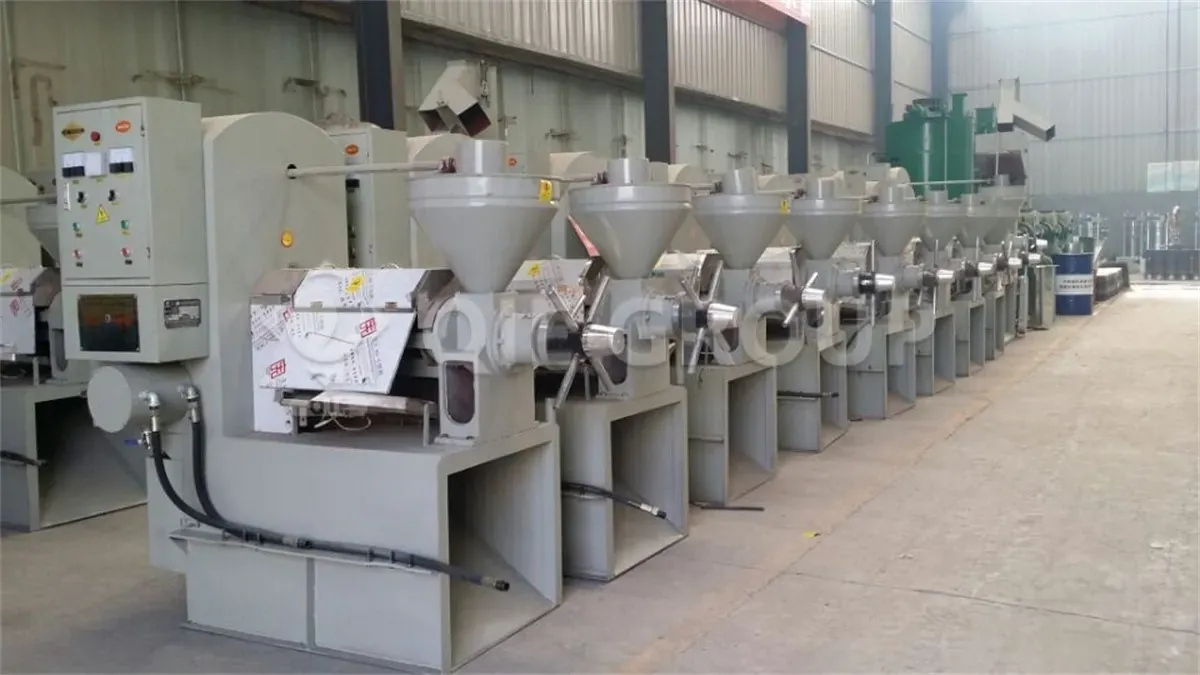
In the global edible oil market, rapeseed (canola) oil remains a cornerstone due to its stable supply and high nutritional value. However, a successful rapeseed production line is not merely a collection of machinery; it is a sophisticated engineering system where every parameter dictates your bottom line.
As an engineering-type supplier with over 40 years of expertise, QIE Group provides this comprehensive guide on the core technical benchmarks and "pitfall avoidance" strategies for rapeseed oil plants ranging from 30 to 3000 TPD.
The first step in plant design is selecting the technology path based on your production scale:
Full Mechanical Pressing: Ideal for small-to-medium plants (10–50 TPD). It preserves the natural flavor and requires lower initial investment and floor space.
Pre-pressing and Solvent Extraction: Suitable for large-scale plants with a capacity of 100 TPD or more. Part of the oil is extracted through mechanical pre-pressing, and the remaining oil is then extracted using solvent leaching.
Key difference: Purely pressed cake typically has a residual oil content of 6%–8%, while solvent-extracted cake has a residual oil content of ≤0.5% . For large enterprises, this 5% difference in oil yield is the core source of profit.
Rapeseed seeds are small in size and have brittle skins. If not properly pre-treated, they can cause "material leakage" during pressing or excessive residual oil in the cake.
1. Cleaning and impurity removal: Vibrating screens and gravity destoners are used to ensure that the impurities in the rapeseed entering the press are less than 0.5%.
2. Crushing and softening: Appropriate crushing increases the surface area, and softening adjusts the plasticity of the material.
3. Key Steps: Steaming/Stir-frying (Conditioning)
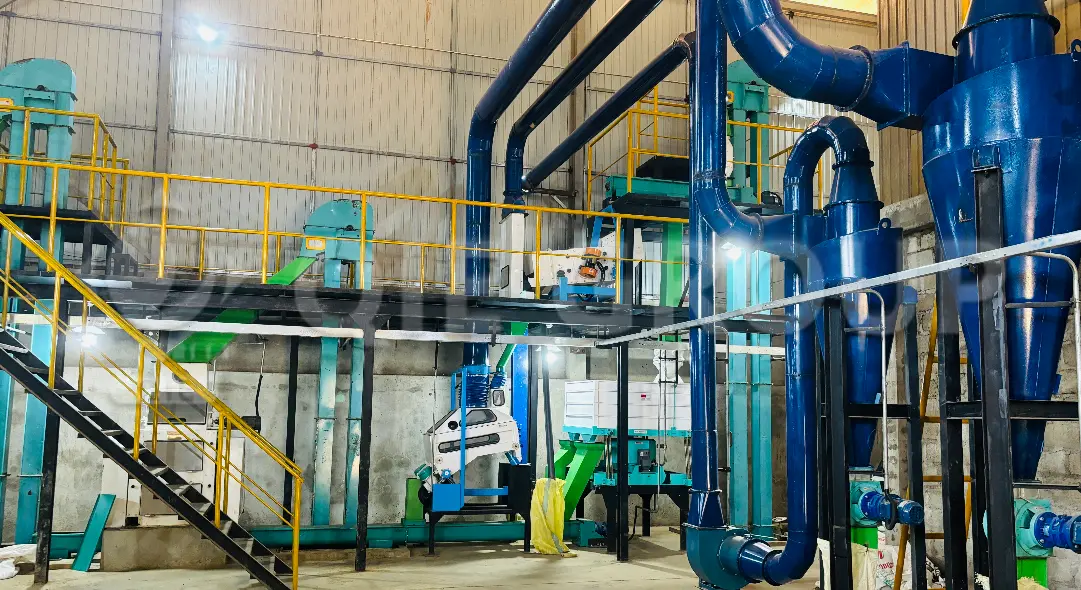
Rapeseed pressing requires extremely high pressing chamber pressure. The QIE dedicated rapeseed oil press has the following technical advantages:
An excellent production line should have the following operating parameters:
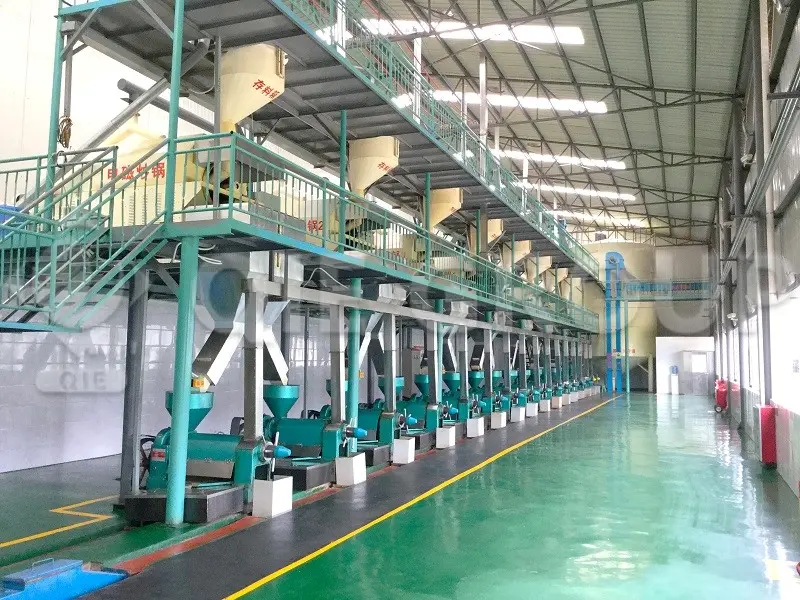
To help your factory operate stably, we have summarized common engineering experiences as follows:
| Symptom | Potential Cause | Solutions |
|---|---|---|
| High Residual Oil in Cake | Excessive moisture or low inlet temperature | Increase steam pressure; extend cooking time; adjust moisture |
| "Back-feeding" (Material Slip) | Over-crushing or improper pressure ring adjustment | Adjust crusher gap; optimize screw profile configuration |
| Excessive Impurities in Crude Oil | Worn bars or excessive load | Inspect and replace wear parts; stabilize feeding rate |
Rapeseed cake (meal) is an important protein feed.
Glucoside control: Through precise temperature control in the pretreatment stage, the activity of anti-nutritional factors such as glucosinolates in rapeseed meal is minimized while extracting oil, thereby increasing its selling price as a high-protein feed.
Economic value: The premium of high-quality rapeseed meal in the feed market can often offset a large portion of the factory's electricity expenses.
A: That depends on your residual oil percentage target.
Single-press crushing: Low investment cost, suitable for projects with ample raw material supply and sensitive to electricity costs. Oil residue in the cake is typically 6%–8%.
Secondary pressing: After the initial pre-pressing, the oil is pressed again. Although this increases electricity consumption, it reduces residual oil in the cake to 4%-5%. The QIE Group recommends that projects with a daily capacity exceeding 50 tons prioritize secondary pressing or pre-pressing extraction for better long-term returns.
A: This situation usually stems from two aspects:
Insufficient cleaning: The soil and stems in the rapeseed are carbonized at high temperatures inside the pressing chamber, causing the oil to darken.
Excessive pressure: Insufficient screw press clearance leads to localized instantaneous high temperatures. It is recommended to check the impurity removal rate of the pretreatment section, adjust the cake thickness, and use a QIE dedicated blade filter to promptly remove residue from the crude oil.
A: "Backflow" is mostly caused by excessively high moisture content in the material, which causes the material to slip between the screw and the press bars.
Countermeasures: Adjust the exhaust valve of the steaming and frying pan promptly to raise the material temperature to above 90℃. Simultaneously, check the wear of the screw press to ensure sufficient thrust.
A: For a 50 TPD automated pressing line:
Space: The production workshop occupies approximately 400-600 square meters (excluding raw material and finished product warehouses).
Personnel: With the help of QIE's PLC centralized control system, only 2-3 operators (including patrol inspectors and central control personnel) are needed per shift.
As a leading international provider of grease and oil engineering services, QIE Group offers full lifecycle services from process drawings to installation and commissioning.
Automation integration: The PLC system enables one-button start-up and automatic load adjustment, reducing human error.
Thermal Energy Recovery: using deodorized finished oil to preheat crude oil, and using waste heat from boiler flue gas to preheat materials, the overall energy consumption is reduced by 10-15% compared with traditional processes.
Modular design: For small and medium-sized investors, we offer scalable solutions with reserved interfaces for automation of later refining and filling.
If you are evaluating rapeseed oil processing equipment, planning a new plant, or looking to upgrade your existing pressing process, it is recommended to communicate with a team with engineering experience as early as possible regarding raw material conditions, target capacity, and oil product positioning. This often allows you to address many subsequent cost and efficiency issues at the blueprint stage, before the project even begins.
Inquire now: Customized rapeseed oil pressing production line complete solution 285
|
285
|
 sunflower seed oil press machine
screw oil press
edible oil plant equipment
high-efficiency oil press
sunflower oil production line
114
|
rapeseed oil pressing
rapeseed oil pressing challenges
rapeseed oil pressing process
rapeseed oil pretreatment
rapeseed oil processing plant engineering
245
|
Cold press oil press
Healthy cooking oil equipment
Cold pressing oil process
QIE Group
Edible oil processing equipment
175
|
Cottonseed pressing
Multi-stage screw oil press
High-fiber oilseeds
Increased oil yield
residual oil content
504
|
Low-temperature cold-pressed sesame oil
Vitamin E retention
Unsaturated fatty acids
Hydraulic sesame oil press
Sesame oil nutrition
sunflower seed oil press machine
screw oil press
edible oil plant equipment
high-efficiency oil press
sunflower oil production line
114
|
rapeseed oil pressing
rapeseed oil pressing challenges
rapeseed oil pressing process
rapeseed oil pretreatment
rapeseed oil processing plant engineering
245
|
Cold press oil press
Healthy cooking oil equipment
Cold pressing oil process
QIE Group
Edible oil processing equipment
175
|
Cottonseed pressing
Multi-stage screw oil press
High-fiber oilseeds
Increased oil yield
residual oil content
504
|
Low-temperature cold-pressed sesame oil
Vitamin E retention
Unsaturated fatty acids
Hydraulic sesame oil press
Sesame oil nutrition