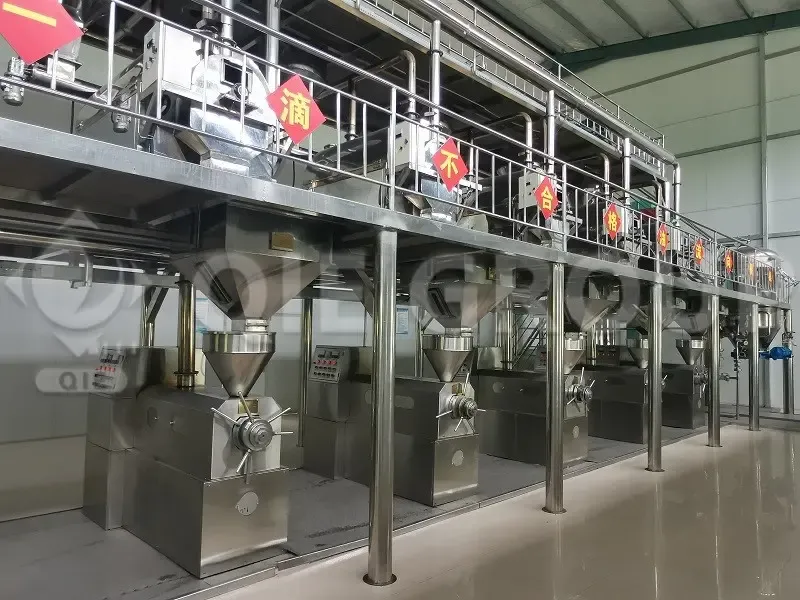
A screw oil press may jam because of unsuitable raw material conditions, irregular feeding, incorrect operating settings, restricted cake discharge, or worn internal components. Identifying the cause requires checking the raw material, operating conditions, and machine condition rather than assuming every blockage has the same cause.
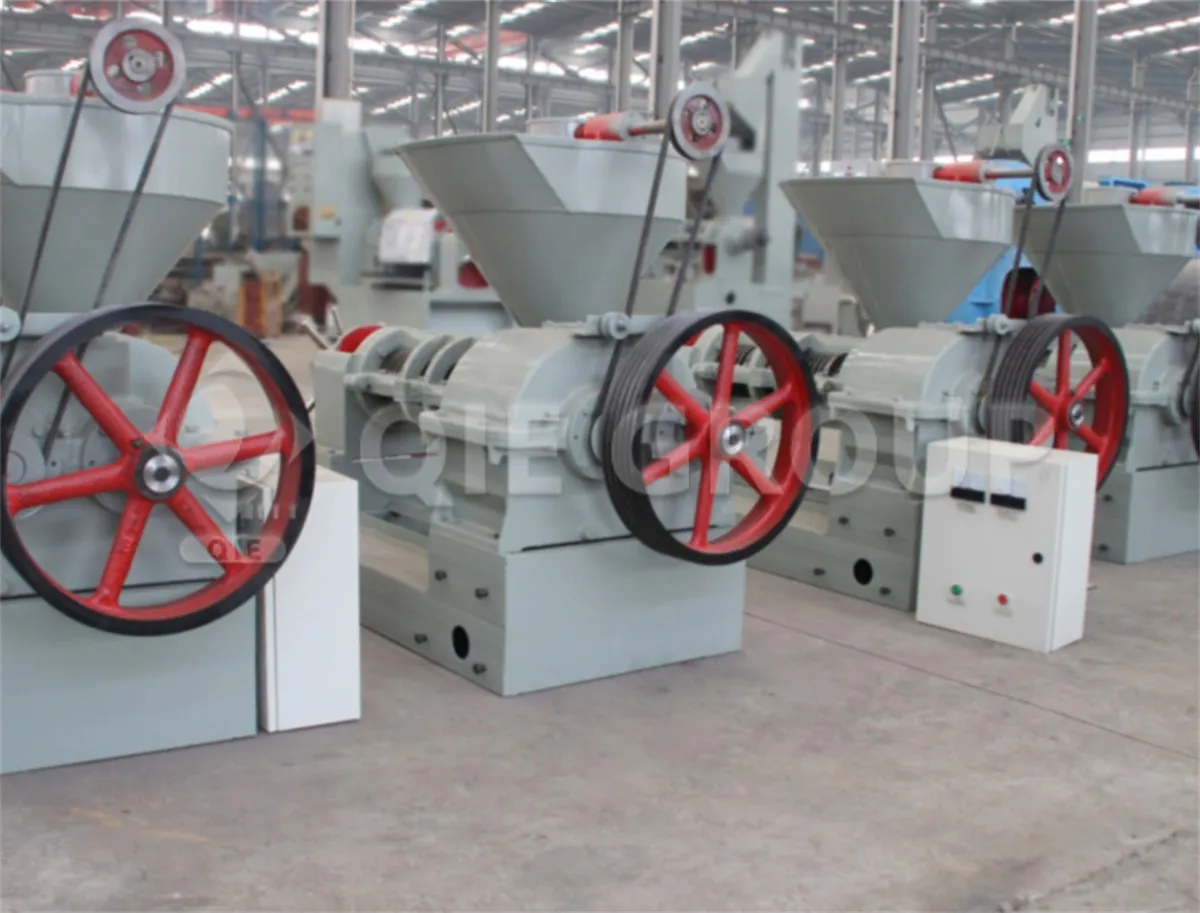
Raw material moisture, particle size, cleanliness, and pretreatment conditions can affect feeding and pressing performance. Material that is too wet, too dry, unevenly prepared, or contaminated with foreign objects may disrupt the pressing process.
An unstable feed supply can cause inconsistent pressing loads. Feeding too much material at once may overload the pressing chamber, while insufficient or uneven feeding can disrupt normal operation.
Feed rate, pressing temperature where applicable, and other operating settings must match the raw material and machine configuration. Unsuitable settings may contribute to excessive resistance, unstable discharge, or poor pressing performance.
Oil cake must pass through the discharge section as designed. Accumulated material, unsuitable cake consistency, or a restriction at the discharge outlet may increase resistance inside the pressing chamber.
The screw shaft, pressing chamber, cage bars, and discharge components are subject to wear during operation. Wear or damage may change the working clearances and affect material movement through the press.
A blockage-like symptom may also result from a drive-system fault, bearing problem, misalignment, or another mechanical issue. Abnormal noise, vibration, overheating, or repeated motor overload should not automatically be attributed to material inside the pressing chamber.

| Symptom | Possible causes | Recommended check |
|---|---|---|
| Motor current rises or overload protection trips | Excessive feed, high pressing resistance, mechanical fault | Review feed conditions and operating records; inspect the drive system if necessary |
| Oil cake discharge slows or stops | Restricted outlet, unsuitable material condition, incorrect settings | Check discharge behavior and raw material preparation |
| Feeding becomes irregular | Inconsistent feed supply, material bridging, foreign objects | Review the feeding system and material condition |
| Abnormal noise or vibration | Worn or damaged parts, misalignment, drive problems | Stop if unsafe and arrange a qualified mechanical inspection |
| Repeated blockages after restarting | The original cause may remain unresolved | Review the previous blockage, inspection findings, and operating changes |
These symptoms are diagnostic clues, not definitive proof of a particular fault. If your main concern is declining oil output rather than recurring blockage, see our guide to common causes of oil press output drops.
Follow a systematic inspection process instead of repeatedly restarting the machine.
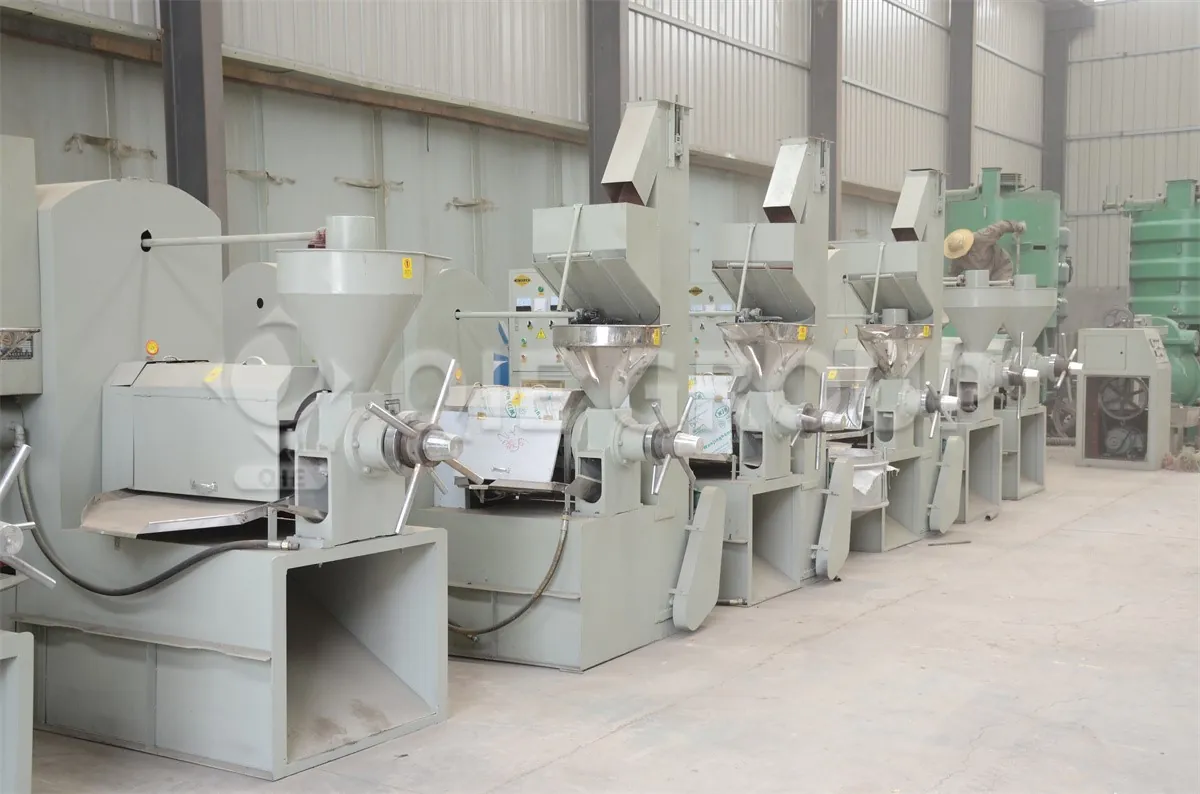
Regular inspections and preventive maintenance can help reduce unexpected downtime. Learn more about proper maintenance of a screw oil press to support long-term equipment reliability.
To help identify the likely cause, prepare the oil press model, raw material type, processing conditions, observed symptoms, and any available alarm or maintenance records.
Contact QIE GROUP to discuss your equipment and processing requirements. A more specific assessment can then be based on the machine configuration and the information available.
Get Technical Assistance from QIE GroupTell us about your oil processing project. Our engineering and sales team will help you identify suitable equipment and processing solutions.
 375
|
 maize germ oil pressing process maize germ oil production maize germ oil processing plant maize germ oil processing equipment corn germ screw press
303
|
rapeseed oil pressing production line high oil yield rapeseed oil pressing process screw oil press turnkey edible oil plant
406
|
oil press machine oil press cost edible oil plant investment high-efficiency oil press oil yield
238
|
soybean oil press cake residual oil soybean press cake residual oil soybean press cake residual oil in soybean press cake soybean oil pressing soybean pressing problems
319
|
Peanut Oil Extraction Process Screw Oil Press Machine Peanut Oil Production Line Peanut Oil Processing