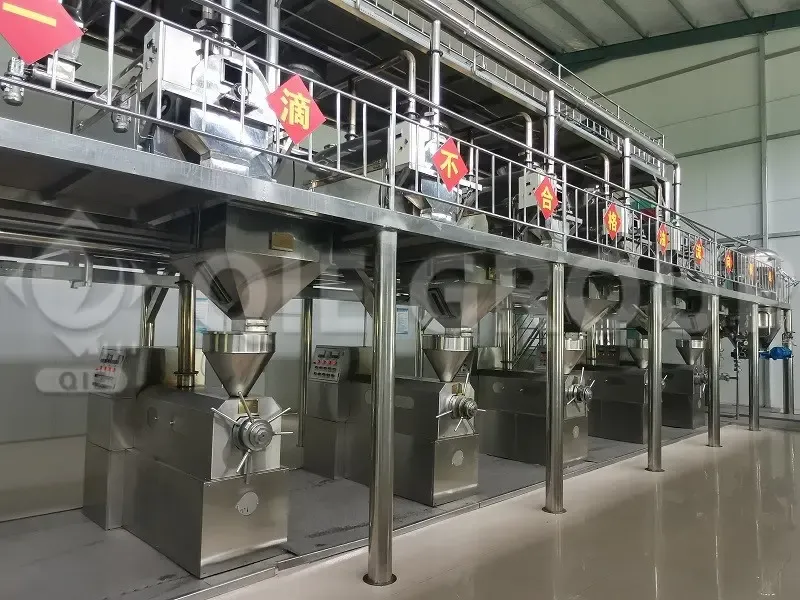
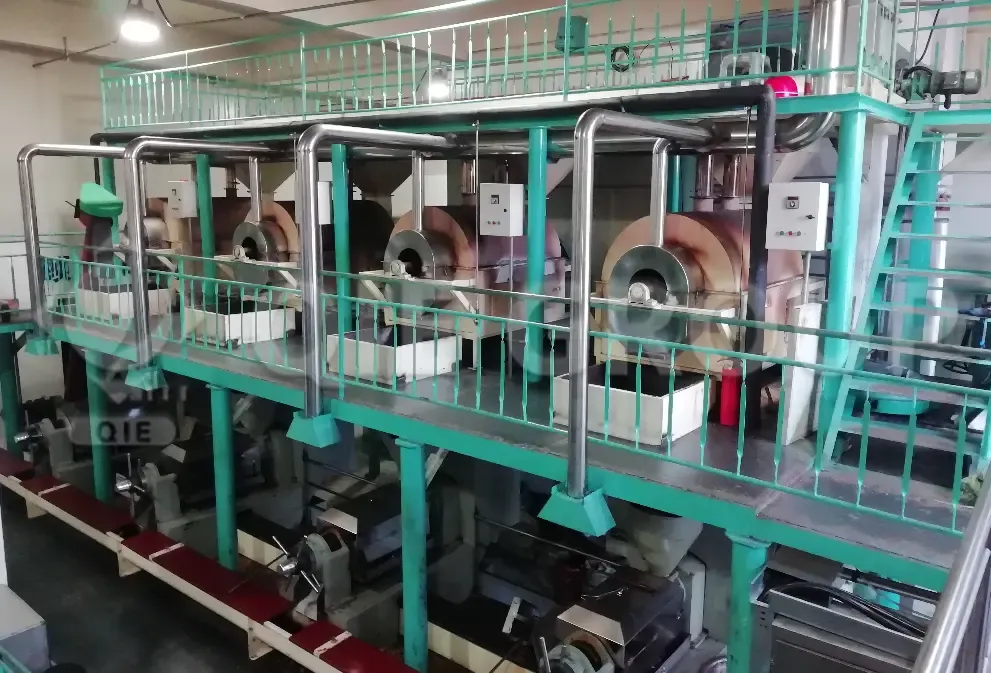
Sesame oil is globally recognized for its rich nutty aroma and distinctive flavor. However, many oil producers and investors quickly discover an important reality in commercial production: Sesame oil made from the same sesame seeds can show significant differences in aroma, clarity, and overall quality.
This variation is rarely caused by the raw material alone. In most cases, the determining factor is how the sesame oil processing system is designed and controlled, particularly during pressing and crude oil handling.
For modern edible oil plants, producing aromatic and stable sesame oil requires a carefully engineered processing line that balances aroma preservation, oil yield, and product purity.
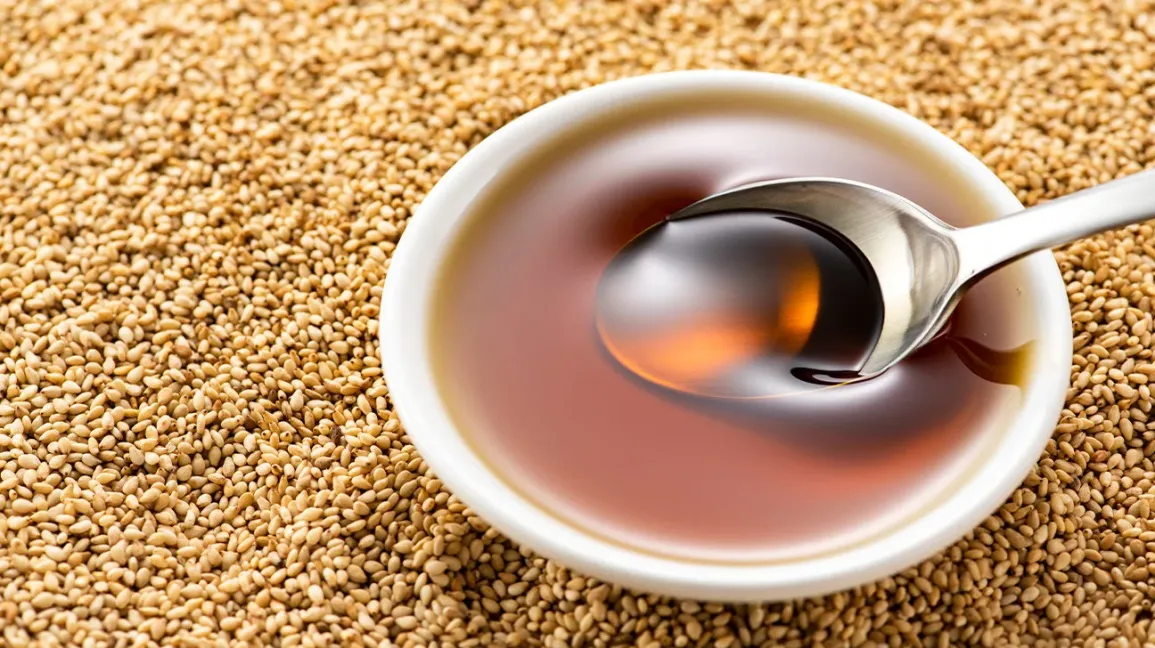
In industrial sesame oil production, aroma is mainly determined by three key factors:
If these processes are not properly designed, volatile aroma compounds can easily degrade, resulting in weaker fragrance, darker oil color, or unstable product quality.
Therefore, modern sesame oil production lines focus on controlled processing rather than simple mechanical extraction.
The characteristic flavor of sesame oil is created during the seed cooking stage, where controlled heating triggers complex reactions that generate aromatic compounds.
However, these compounds are highly sensitive to heat and pressure variations during oil extraction.
If the pressing stage is poorly controlled, several issues may occur:
This is why advanced sesame oil processing plants emphasize precise temperature management and stable pressing cycles. In other words, high-quality sesame oil is the result of process engineering, not just raw materials.
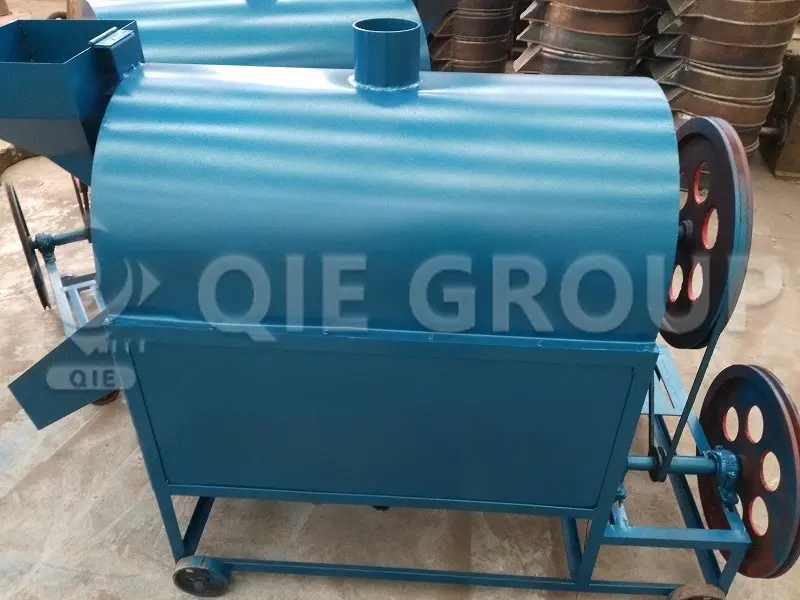
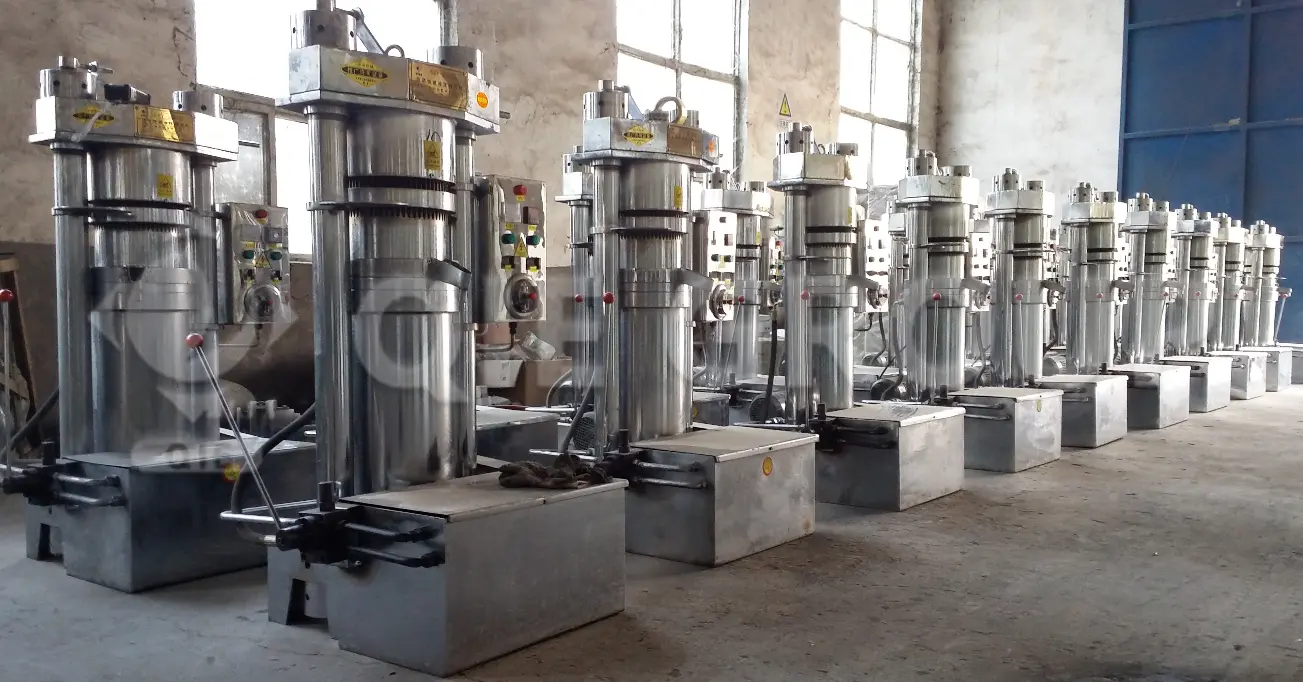
Many premium sesame oil producers adopt sesame oil press machine technology to maintain aroma integrity while achieving stable oil extraction.
During this process:
Compared with uncontrolled mechanical pressing systems, hydraulic pressing offers several technical advantages.
Stable pressure prevents overheating, helping preserve volatile compounds responsible for sesame oil fragrance.
Gentle pressing reduces burnt particles and impurities entering crude oil.
Optimized pressing cycles improve extraction efficiency without compromising oil quality.
Stable process parameters ensure that each production batch maintains a similar aroma profile.
For oil mills targeting premium sesame oil markets, these factors significantly affect product competitiveness.
After pressing, crude sesame oil still contains suspended particles such as fine sesame meal and trace solids.
Without proper treatment, these impurities can lead to:
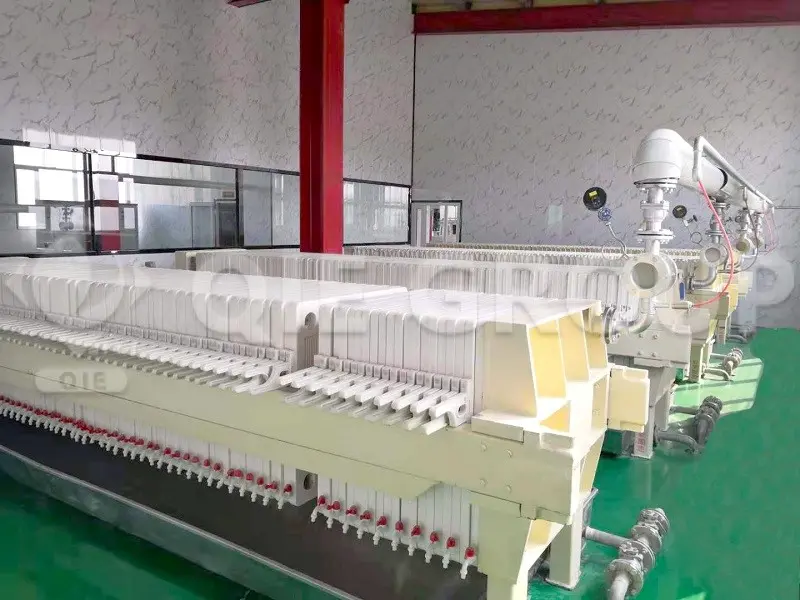
For this reason, modern sesame oil processing plants typically incorporate crude oil clarification systems immediately after pressing.
Crude oil is temporarily stored in settling tanks, allowing heavier particles to naturally separate.
Filtration systems remove remaining fine particles while preserving the oil's natural aromatic compounds. This combined approach improves: crude oil purity, visual clarity, storage stability, product consistency
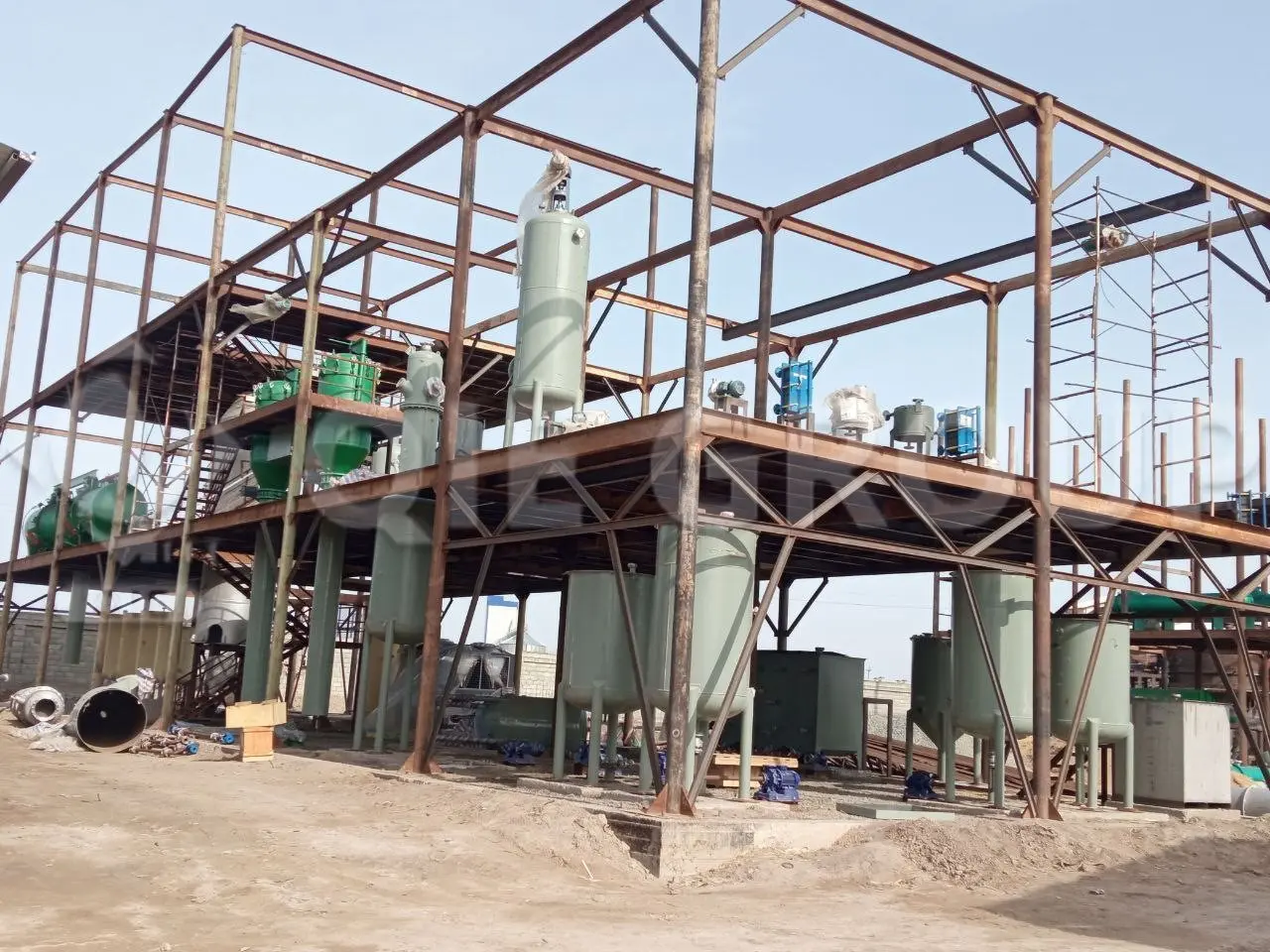
A professional sesame oil plant requires an integrated system rather than individual machines.
A typical sesame oil production line includes the following sections:
Proper integration of these systems helps producers achieve:
From an investment perspective, engineering design and equipment reliability directly influence long-term operational efficiency and product quality.
As a manufacturer and engineering supplier of edible oil processing equipment, QIE GROUP provides integrated solutions for sesame oil production projects worldwide.
The company specializes in:
Through multiple international oil mill projects, these technologies help producers improve oil yield, maintain stable aroma quality, and enhance long-term production reliability.
Global demand for sesame oil continues to grow, particularly in regions where the oil is widely used for cooking and seasoning.
According to industry market analyses, the global sesame oil market is expected to grow steadily due to:
As market competition intensifies, producers are placing greater emphasis on product aroma stability and production efficiency, making advanced processing technology increasingly important.
Why does sesame oil aroma vary between producers?
Different processing technologies affect how aroma compounds are preserved. Poor temperature control or excessive pressing pressure can damage flavor compounds.
What is the ideal temperature for sesame oil pressing?
Most industrial sesame oil pressing processes operate between 100–120 °C, which helps preserve roasted sesame aroma while maintaining efficient oil extraction.
Why is crude oil clarification important in sesame oil production?
Clarification removes suspended solids and impurities, improving oil purity, stability, and appearance during storage.
The distinctive aroma of sesame oil does not depend solely on sesame seeds themselves.
Instead, it is largely determined by how the entire processing system is engineered and controlled, especially during cooking, pressing, and crude oil clarification.
When these processes are properly integrated, producers can achieve:
For oil mills seeking to produce high-quality sesame oil, precision processing technology is the key to long-term success.
 273
|
273
|
 Как улучшить производительность маслопресса
Оптимизация выхода масла из маслопресса
Как улучшить выход масла из маслопресса
Техническое обслуживание маслопресса
Методы повышения выхода масла на заводах по производству пищевого масла
Производительность маслопресса
271
|
Оборудование для холодного отжима орехового масла
Гидравлический масляный пресс
Высокопроизводительный маслопресс
Пресс из пищевой нержавеющей стали
Решение для прессования масла на небольшом заводе
152
|
Пресс для подсолнечного масла
Высококачественное растительное масло
Винтовой маслопресс
Гидравлический масляный пресс
Улучшенное качество масла
426
|
Пресс для пальмового масла
Одношнековый маслопресс
Двухшнековый маслопресс
Энергосберегающее оборудование для нефтеперерабатывающих заводов
Выбор оборудования для отжима масла
Выход пальмового масла
132
|
прессование соевого масла
Предварительное прессование и экстракция
Оценка инженерного проекта
Конфигурация оборудования
Завод по проекту «под ключ» группы компаний QIE
Как улучшить производительность маслопресса
Оптимизация выхода масла из маслопресса
Как улучшить выход масла из маслопресса
Техническое обслуживание маслопресса
Методы повышения выхода масла на заводах по производству пищевого масла
Производительность маслопресса
271
|
Оборудование для холодного отжима орехового масла
Гидравлический масляный пресс
Высокопроизводительный маслопресс
Пресс из пищевой нержавеющей стали
Решение для прессования масла на небольшом заводе
152
|
Пресс для подсолнечного масла
Высококачественное растительное масло
Винтовой маслопресс
Гидравлический масляный пресс
Улучшенное качество масла
426
|
Пресс для пальмового масла
Одношнековый маслопресс
Двухшнековый маслопресс
Энергосберегающее оборудование для нефтеперерабатывающих заводов
Выбор оборудования для отжима масла
Выход пальмового масла
132
|
прессование соевого масла
Предварительное прессование и экстракция
Оценка инженерного проекта
Конфигурация оборудования
Завод по проекту «под ключ» группы компаний QIE