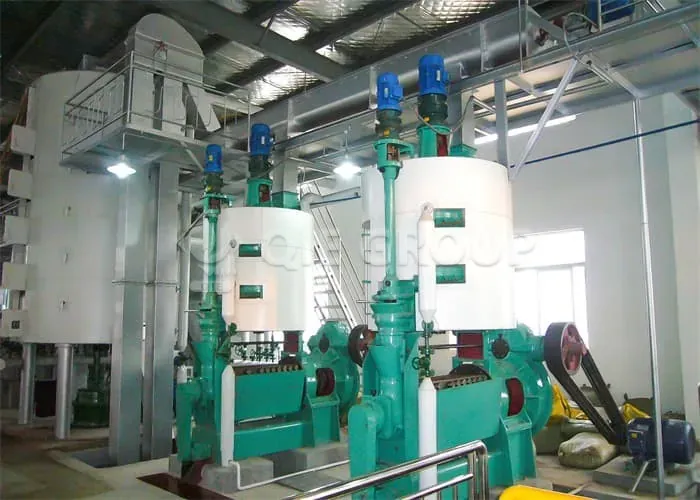
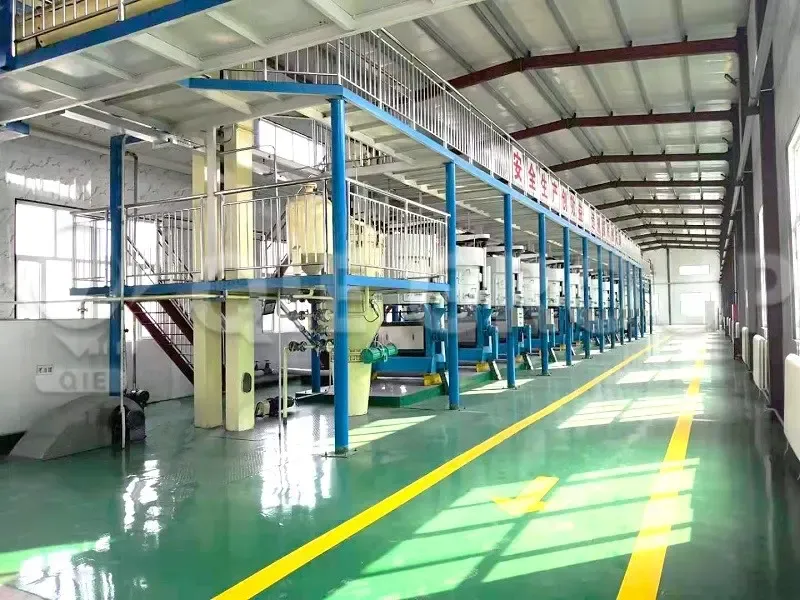
Sesame oil is valued worldwide for its rich aroma and distinctive flavor. In commercial production, however, producing high-quality sesame oil requires much more than simply pressing sesame seeds.
A modern sesame oil mill relies on a well-designed processing line that integrates seed preparation, roasting, pressing, and crude oil purification. Each step plays a critical role in determining oil yield, aroma intensity, and product stability.
Understanding the complete sesame oil production process helps oil mill investors and operators select the right equipment configuration and ensure consistent product quality.
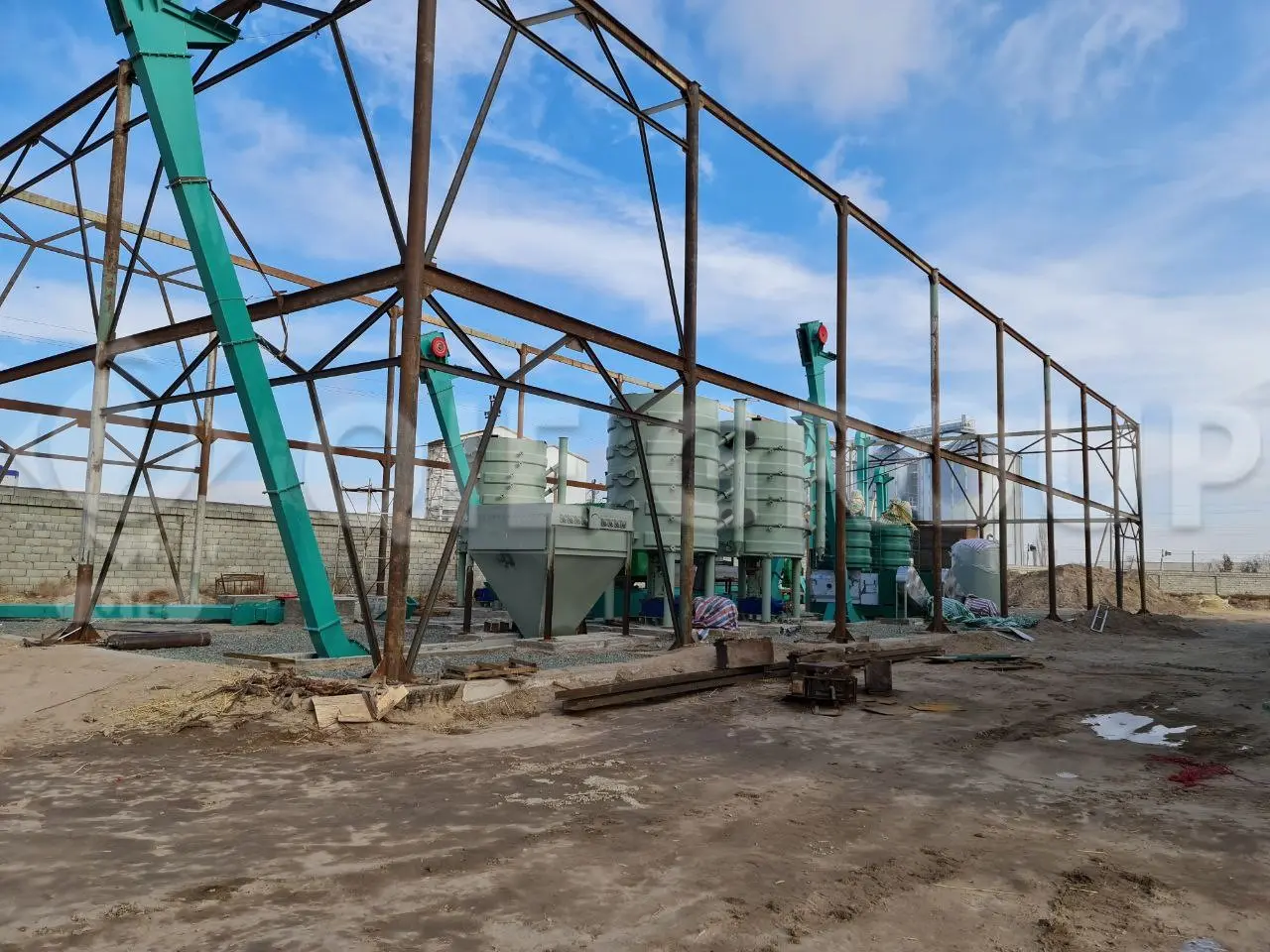
In traditional small-scale production, sesame oil is often produced using simple pressing methods. While this approach can work for small batches, industrial production requires greater efficiency and quality control.
A professionally designed sesame oil production line helps achieve several important goals:
For commercial oil mills, the integration of equipment and process control often determines the overall profitability of the plant.
Before oil extraction begins, sesame seeds must be thoroughly cleaned to remove impurities that could affect processing efficiency and oil quality.
Proper cleaning improves the efficiency of downstream equipment and prevents unnecessary wear on pressing machinery.
In modern plants, this stage is usually part of a complete sesame oil production line designed to ensure stable raw material quality throughout the process.
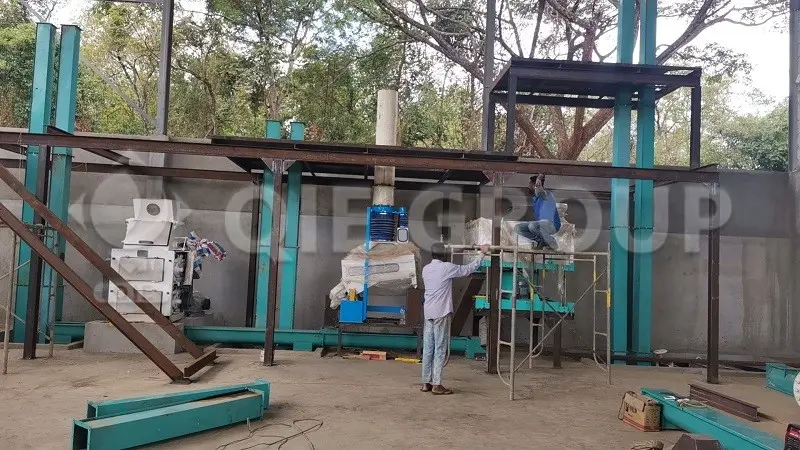
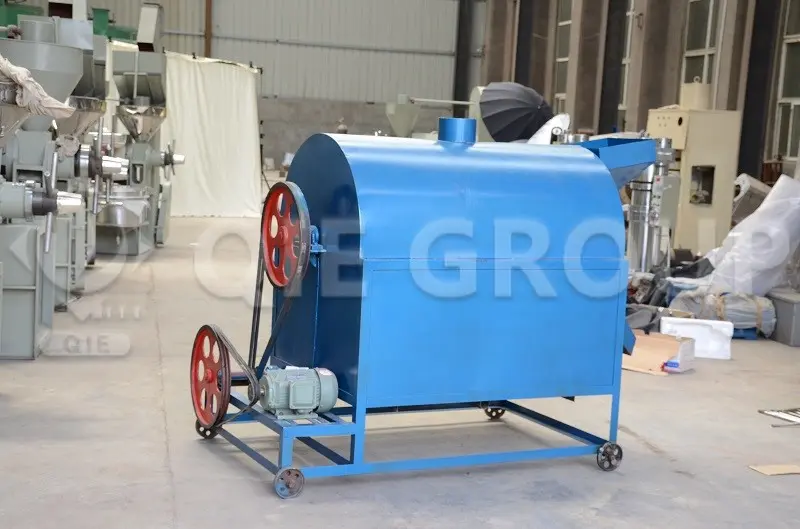
The roasting stage is one of the most critical steps in sesame oil processing because it directly influences the oil’s characteristic aroma.
During roasting, sesame seeds are heated under controlled conditions to trigger chemical reactions that produce the familiar nutty fragrance of sesame oil.
Industrial roasting systems provide several advantages:
Many oil mills use a sesame seed roasting machine to ensure consistent roasting quality before the pressing stage.
Proper roasting not only enhances aroma but also improves the structural properties of sesame seeds, making oil extraction more efficient.
After roasting, sesame seeds are transferred to the pressing stage, where oil is extracted through mechanical pressure.
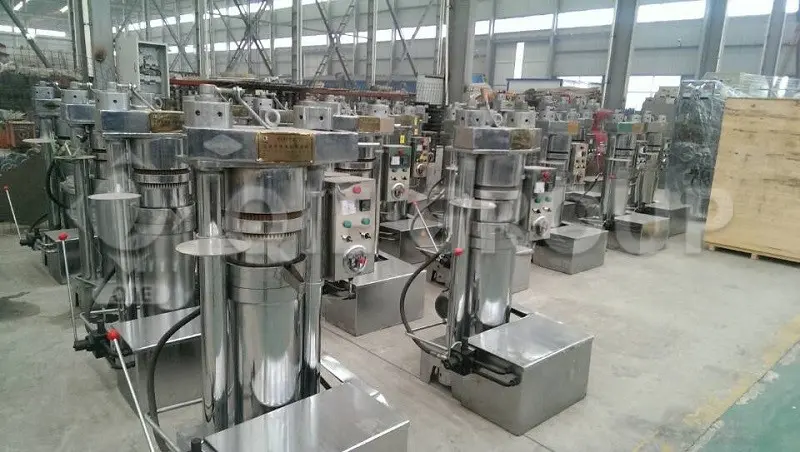
Modern oil mills commonly use a sesame oil press machine designed specifically for aromatic oil production.
In premium sesame oil processing, hydraulic pressing technology is widely used because it allows:
A hydraulic sesame oil press machine can operate under controlled temperatures around 100–120°C, helping maintain the natural flavor profile developed during roasting.
At the same time, optimized pressing cycles help reduce the residual oil content in the press cake, improving overall oil yield.
Freshly pressed sesame oil contains suspended solids such as fine sesame meal particles and other impurities.
If these impurities are not removed, they may cause: sediment formation during storage, darker oil color, reduced product stability.
Therefore, crude sesame oil typically undergoes clarification before storage.
This process usually includes:
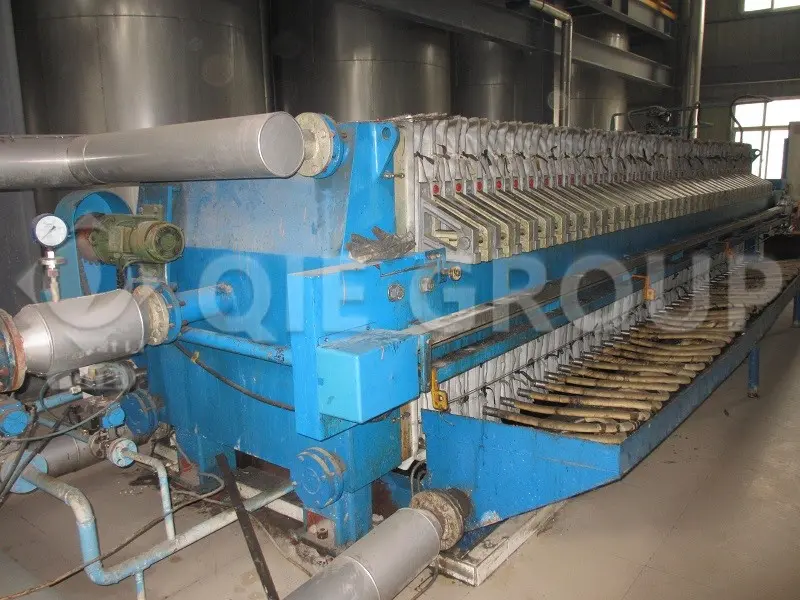
Crude oil is held in settling tanks, allowing heavier particles to sink naturally.
Remaining fine particles are removed through a crude oil filtration system, improving oil clarity and purity. Effective clarification ensures that sesame oil maintains both its visual quality and aromatic stability.
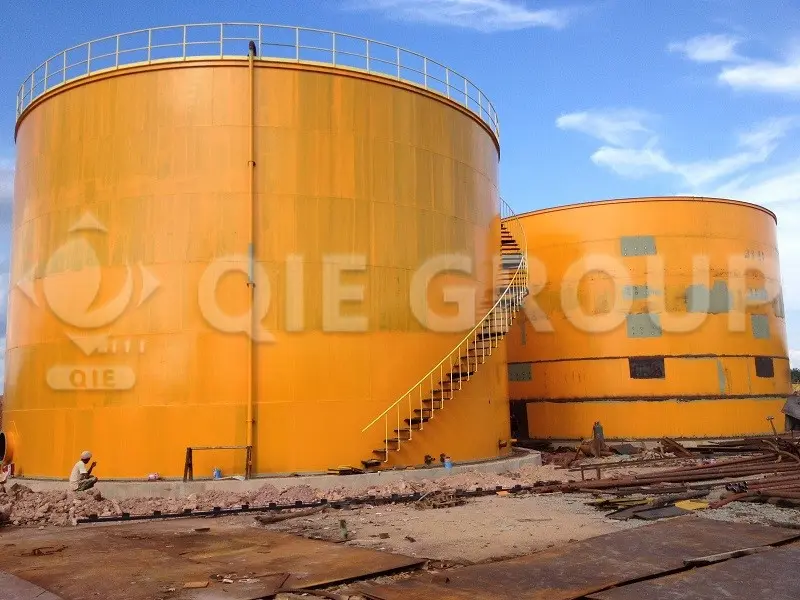
After filtration, sesame oil is transferred to storage tanks where it is protected from contamination and oxidation.
Proper storage conditions help maintain: oil freshness, stable flavor characteristics, long shelf life.
In large facilities, automated oil handling systems are often integrated into the overall edible oil processing plant design to improve operational efficiency.
A typical sesame oil processing plant may include the following core equipment:
When these systems are properly integrated, oil producers can achieve stable processing conditions and consistent product quality.
As demand for high-quality vegetable oils continues to grow, many oil producers are investing in more advanced sesame oil processing technologies.
Professional engineering design helps oil mills:
As a manufacturer and engineering supplier of edible oil equipment, QIE GROUP provides integrated solutions for sesame oil processing projects worldwide, including equipment supply, process design, and production line configuration.
What equipment is used in a sesame oil production line?
A sesame oil production line typically includes seed cleaning machines, roasting equipment, oil presses, filtration systems, and storage tanks.
Why is roasting important in sesame oil production?
Roasting develops the characteristic sesame aroma and improves the structure of the seeds, which helps increase oil extraction efficiency.
What is the best pressing method for sesame oil?
Hydraulic pressing is widely used in premium sesame oil production because it helps preserve aroma compounds and maintain stable oil quality.
Producing high-quality sesame oil requires more than a simple pressing operation. From seed cleaning to roasting, pressing, and crude oil clarification, every stage plays an essential role in determining the final product's aroma, purity, and stability.
A well-designed sesame oil production line allows oil mills to achieve efficient extraction, maintain consistent flavor, and ensure reliable long-term plant operation.
For producers seeking to expand their sesame oil business, investing in the right processing technology is a key step toward sustainable growth.
 108
|
108
|
 Large-scale commercial fully automatic peanut oil press
Peanut Oil Press
Peanut oil processing plant
Peanut oil production line
Edible oil processing equipment
481
|
oil press working principle
screw oil press
commercial oil press
edible oil production process
vegetable oil processing equipment
315
|
Coconut spiral oil press
Coconut oil production line
Residual oil rate optimization
Equipment Selection Guide
Automated continuous operation
500
|
Low-temperature cold-pressed sesame oil
Vitamin E retention
Unsaturated fatty acids
Hydraulic sesame oil press
Sesame oil nutrition
107
|
Peanut oil press improves oil yield
Peanut oil press pretreatment method
Peanut oil press operation techniques
Peanut oil press machine for high-efficiency pressing
Peanut oil press process optimization
Large-scale commercial fully automatic peanut oil press
Peanut Oil Press
Peanut oil processing plant
Peanut oil production line
Edible oil processing equipment
481
|
oil press working principle
screw oil press
commercial oil press
edible oil production process
vegetable oil processing equipment
315
|
Coconut spiral oil press
Coconut oil production line
Residual oil rate optimization
Equipment Selection Guide
Automated continuous operation
500
|
Low-temperature cold-pressed sesame oil
Vitamin E retention
Unsaturated fatty acids
Hydraulic sesame oil press
Sesame oil nutrition
107
|
Peanut oil press improves oil yield
Peanut oil press pretreatment method
Peanut oil press operation techniques
Peanut oil press machine for high-efficiency pressing
Peanut oil press process optimization