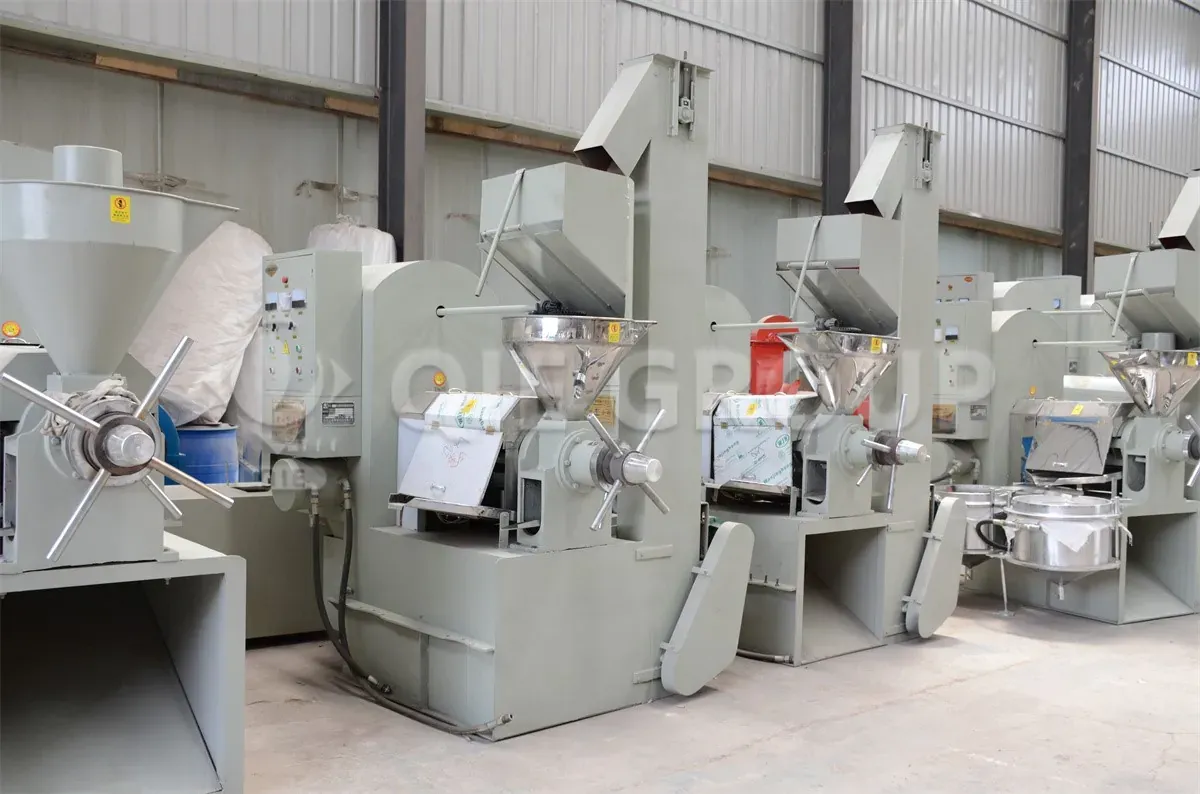
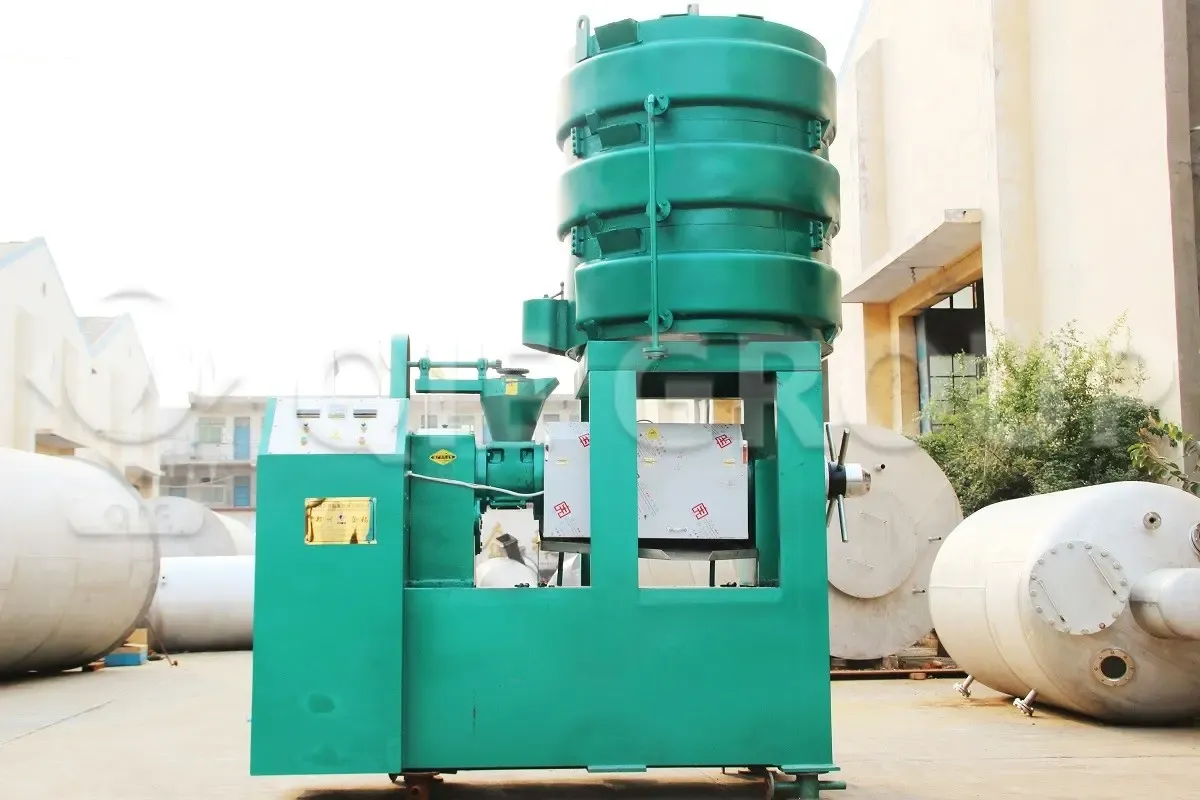
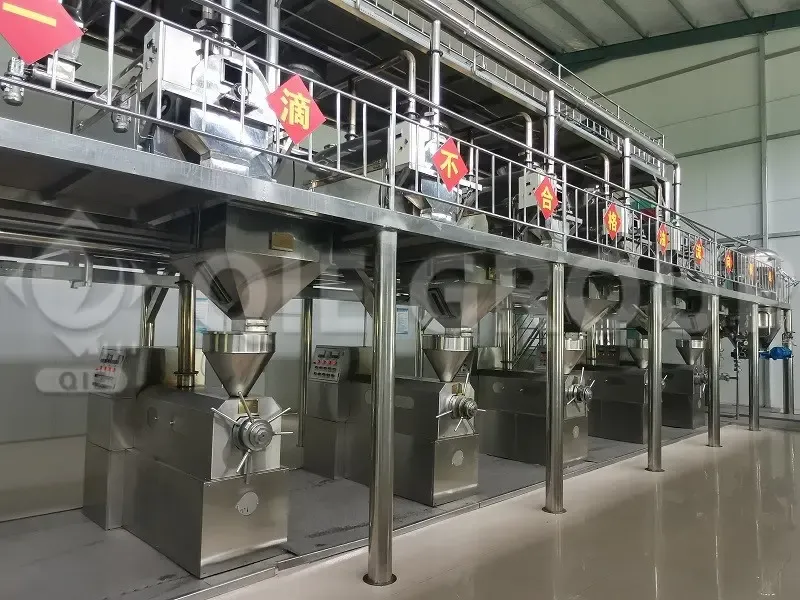
Thinking of building a small edible oil processing plant? Faced with complex equipment selection and process flows, you might feel confused: What kind of oil can a small oil mill produce? Is a pure pressing production line sufficient? Should you add solvent extraction or refining? Is the investment threshold high? How can a beginner get started?
As a leading global provider of turnkey edible oil engineering solutions, QIE Group, based on its global engineering experience, provides an in-depth analysis of the technical details and decision-making logic behind a "complete vegetable oil pressing production line specifically designed for small-scale factories." This article aims to offer objective decision-making assistance from a professional engineering perspective, helping you avoid investment pitfalls.
A small-scale vegetable oil pressing production line refers to a complete set of equipment designed for startups or small and medium-sized processing plants. It extracts oil through physical mechanical pressing, preserving the natural nutrients and flavor of the oil.
Based on capacity and engineering logic, we subdivide small production lines into three levels:
Applicable raw materials: This system has strong compatibility and is suitable for peanuts, soybeans, rapeseed, sunflower seeds, cottonseed, etc.
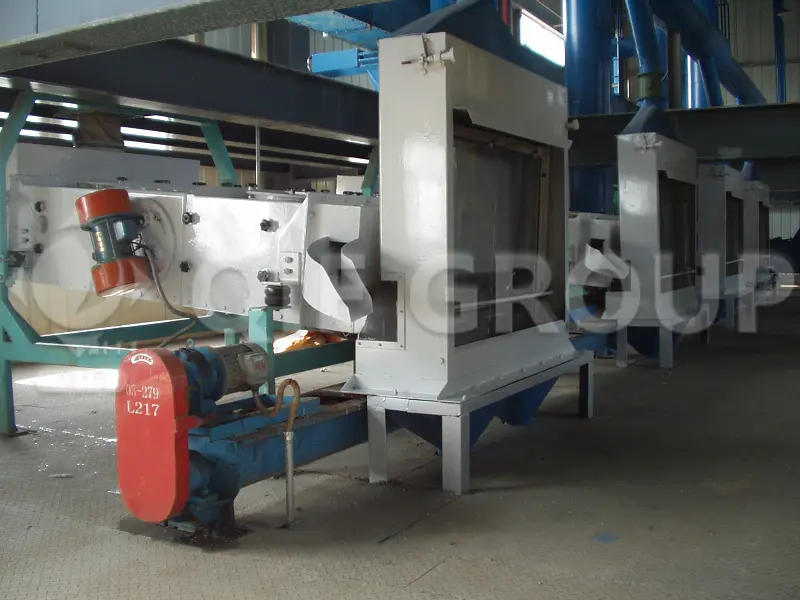
A single machine can only solve the "pressing" action, while a complete production line solves the "oil yield" and "oil quality".
Vibrating screen, destoner and magnetic separator are used.
Engineering standard: Impurity content must be reduced to below 0.2%. If cleaning is not thorough, sand and gravel can shorten the lifespan of the screw press by more than 30%.
For peanuts or sunflower seeds, shelling can increase the processing capacity of the oil press and reduce the absorption of oil by the fiber.
Adjust the moisture content (8-10%) and temperature using a vertical or horizontal steamer/fryer.
The core logic is that proper heat treatment can denature proteins and reduce the viscosity of oils. This is a key step for small factories to increase oil yield and reduce residual oil content.
The screw oil press generates a pressure of 50–60 MPa inside the pressing chamber.
Technical specifications: The QIE integrated line can control the residual oil content in the cake to 5%-7%, which is far superior to the more than 10% of single-machine operation.
Use a leaf filter or a plate and frame filter press.
Importance: Timely removal of phospholipids and cake residue from crude oil. Unfiltered crude oil is prone to rancidity, which can shorten its shelf life by more than 50%.
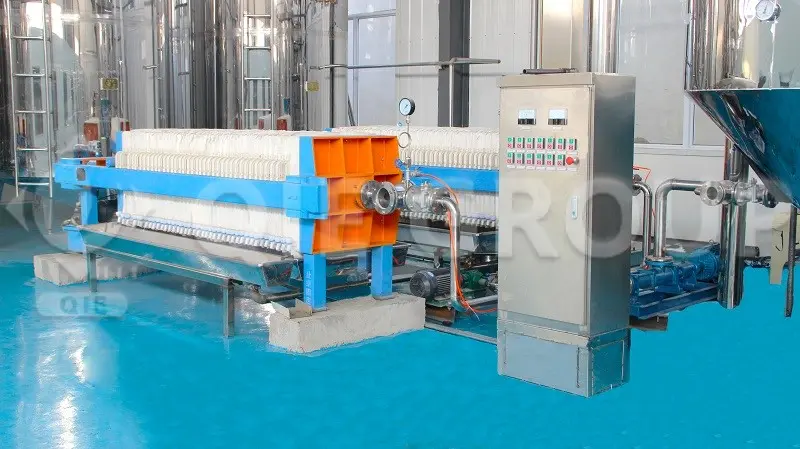
The core of a small-scale vegetable oil pressing production line lies in "integration".
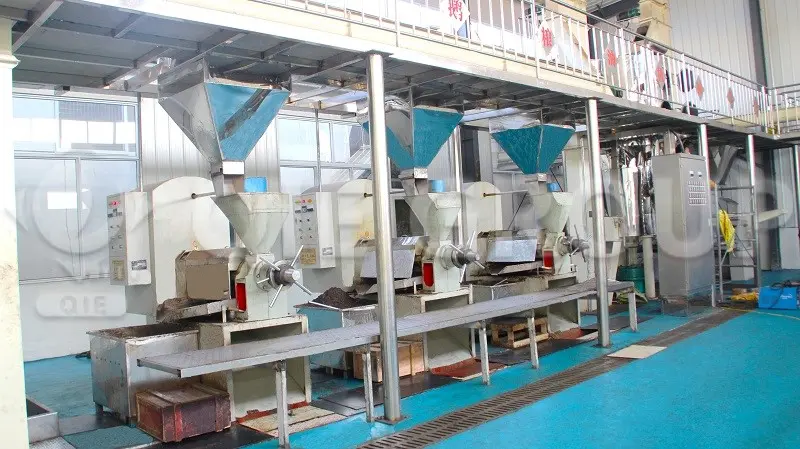
This is the most critical decision point for investing in small oil plants.
| plan | Investment amount | Process Logic | Applicable Scenarios |
|---|---|---|---|
| Option 1: Pure pressing | $50,000 - $150,000 | Cleaning → Pressing → Filtration | Local markets (rural areas of Africa and Southeast Asia) focus on authentic flavors. |
| Option 2: Solvent extraction | $150,000 - $300,000 | Add solvent extraction section | We process more than 30 tons of soybeans or low-oilseeds per day to maximize profits. |
| Option 3: Pressing + Refining | $200,000 - $500,000 | Increase degumming, deacidification, decolorization and deodorization | Branded packaged oil (sold in supermarkets) meets Grade 1 international export standards. |
Investment logic: If the raw materials have a high oil content (such as peanuts and sesame seeds), Option 1 is the first choice; if the goal is to export or supply high-end supermarkets, Option 3 must be allocated.

Based on QIE's engineering data in the Southeast Asian and African markets, the following is a preliminary budget reference:
| Daily Processing Volume (TPD) | 10–100 TPD is optional. Beginners are advised to start with 10–20 TPD. |
| Investment Grade | $50,000 – $500,000 (covering design, equipment, installation, and training). |
| Area | 200 – 1500 square meters (layout customized according to the complexity of the process). |
| Energy consumption level | Adopting a variable frequency energy-saving design, the energy efficiency of each ton of oil is optimized by more than 15%. |
| ROI (Return on Investment) | Under normal operating conditions, it takes approximately 1.5 to 3 years (based on the industry average oil price difference). |
In the edible oil processing industry, what you should buy is not "a bunch of equipment", but "an engineering system that can generate stable profits".
Key takeaway: By choosing QIE, you get an "engineering system," not just "a bunch of equipment." We focus on solving the engineering pain points of small factories (such as compatibility and stability).
Q: How much space is needed for a small oil refinery with a capacity of 1-10 TPD? Are there any special requirements for the plant?
A: This is a typical engineering planning problem. A basic 10 TPD production line occupies approximately 150-200 square meters. Since the pressing section involves material handling, a minimum net height of 5 meters is recommended for the plant. We will provide you with a detailed 3D layout plan to ensure a clear logical flow between the raw material area, production area, and finished product area, complying with local food hygiene and safety standards.
Q: What happens to the "oil cake" after pressing? Is it valuable?
A: Oil cake is a significant source of profit for small oil mills. The pressed cake (containing approximately 5%-7% oil) is a high-value animal feed ingredient (such as peanut cake and soybean cake). In African and Southeast Asian markets, oil cake sales often cover most of the mill's operating electricity and labor costs, enabling truly "low-cost operation."
Q: I'm a beginner with no engineering background. How can QIE guarantee that I can start production smoothly?
A: That's precisely the significance of a turnkey project. We not only provide the machines, but also send experienced engineers to the site for installation and commissioning. More importantly, we will provide your employees with 7-14 days of hands-on training, covering equipment maintenance, oil output optimization, and troubleshooting common problems. What you receive is not just a pile of parts, but a mature operating system.
Q: Can different oilseeds (such as peanuts and soybeans) share a single production line?
A: Yes, "multi-material compatibility" is possible, but requires minor engineering adjustments. Peanuts and soybeans differ in hardness and oil content. QIE's solution, through variable frequency control technology and an adjustable gap pressing chamber, allows you to switch raw materials simply by adjusting parameters. This significantly enhances the factory's resilience, enabling you to flexibly adjust production plans based on local seasonal raw material prices.
Q: Is it necessary for small factories to install "automatic filling lines"?
A: It depends on your profit logic. If you primarily supply bulk oil to local restaurants or food factories, simple precision filtration will suffice; if you plan to establish your own brand and enter supermarkets, we recommend adding a small, semi-automatic filling and capping system. This can significantly increase the product's premium, and we can provide modular components for upgrades as production increases.
 255
|
255
|
 food-grade sunflower seed oil press machine
sunflower oil press
oil press selection
screw hot press
hydraulic cold press
342
|
Peanut Oil Press
Increased oil yield
Pressing process optimization
Oil extraction efficiency
Residual oil management
352
|
Oil pressing equipment
Oil extraction efficiency
Edible Oil Processing
Return on investment of oil mill
Oil yield
151
|
Vegetable oil pressing equipment
Investment in small oil mills
Edible oil processing equipment
Oil press oil output rate
turnkey project supplier
175
|
Cottonseed pressing
Multi-stage screw oil press
High-fiber oilseeds
Increased oil yield
residual oil content
food-grade sunflower seed oil press machine
sunflower oil press
oil press selection
screw hot press
hydraulic cold press
342
|
Peanut Oil Press
Increased oil yield
Pressing process optimization
Oil extraction efficiency
Residual oil management
352
|
Oil pressing equipment
Oil extraction efficiency
Edible Oil Processing
Return on investment of oil mill
Oil yield
151
|
Vegetable oil pressing equipment
Investment in small oil mills
Edible oil processing equipment
Oil press oil output rate
turnkey project supplier
175
|
Cottonseed pressing
Multi-stage screw oil press
High-fiber oilseeds
Increased oil yield
residual oil content