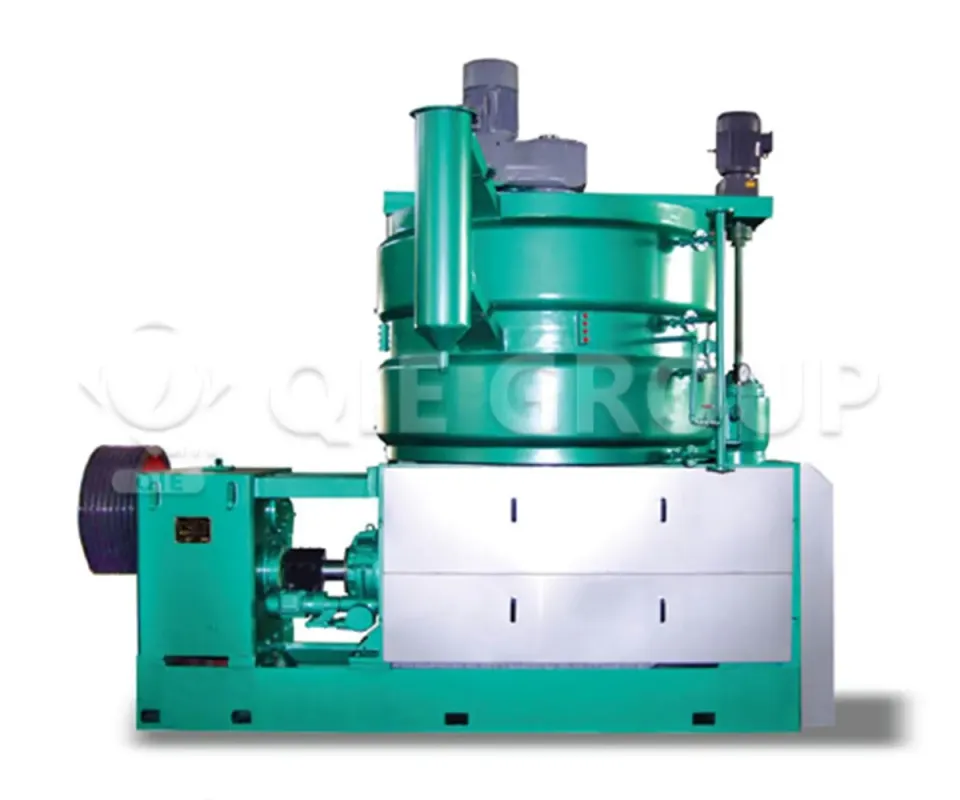
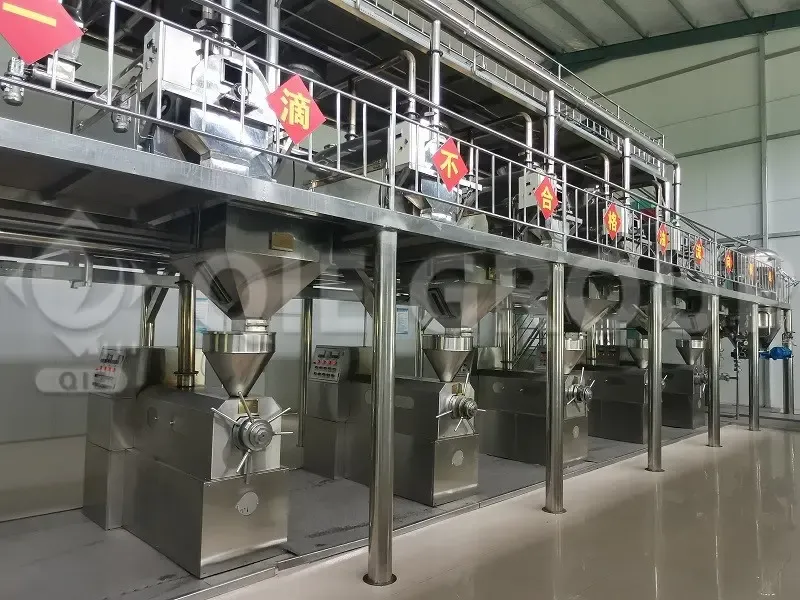
In the current oil and fat processing industry, raw material costs account for more than 80% of total production costs. Coupled with recent fluctuations in energy prices, the era of relying on extensive expansion for profit margins is gone, and razor-thin margins—or even losses—are becoming the industry norm.
How to effectively reduce the residual oil rate in oil cakes, decrease electricity consumption per ton of oil, and enhance the commercial value of by-products (meal) is the definitive pain point for oil mills looking to build core competitiveness. As a disruptive process replacing traditional hot pressing and unrefined mechanical pressing, Smart Low-Temperature Pressing Technology leverages precise physical temperature control and digital pressure compensation to help industrialized oil mills achieve genuine cost reduction and efficiency gains.
Traditional expellers rely on a fixed screw compression ratio to generate pressing force. However, in actual production, raw materials frequently fluctuate in moisture and impurity content. When encountering uneven material properties, conventional equipment is highly prone to "jamming" or "slipping within the press bore," causing the residual oil rate in the cake to spike.
QIE Smart Low-Temperature Pressing Technology completely shatters the limits of traditional pressing through two core technical pathways:
The system integrates high-frequency pressure sensors to monitor the resistance coefficient across different pressing stages (pre-pressing, main pressing, and cake-forming stages) inside the press bore in real time. When material properties change minutely, the PLC control system automatically micro-adjusts the screw speed and the cake outlet gap within milliseconds (maintaining cake thickness precisely at 1.5 - 2.0 mm). This ensures that the press bore pressure is constantly held within the optimal physical oil extraction zone, stably locking the dry cake residual oil rate at an industry-leading low level of 5.0% - 6.5%.
Traditional ultra-high-temperature roasting destroys the internal molecular structure of the oil. Smart Low-Temperature Pressing utilizes highly efficient digital steam cookers (or conditioning towers) before pressing to strictly control the material temperature at its critical oil-yielding point (typically 60°C - 80°C, depending on the specific oilseed).
Engineering Benefits: This specific temperature thoroughly disrupts the cellular structure of the oilseed and reduces oil viscosity to facilitate smooth flow, while successfully preventing the deep denaturation of proteins. Crucially, pigments and phospholipids do not dissolve into the crude oil in large quantities. This directly alleviates the processing load and auxiliary material consumption of subsequent refining stages, reducing the loss of refining auxiliaries such as bleaching earth and caustic soda by approximately 12%.
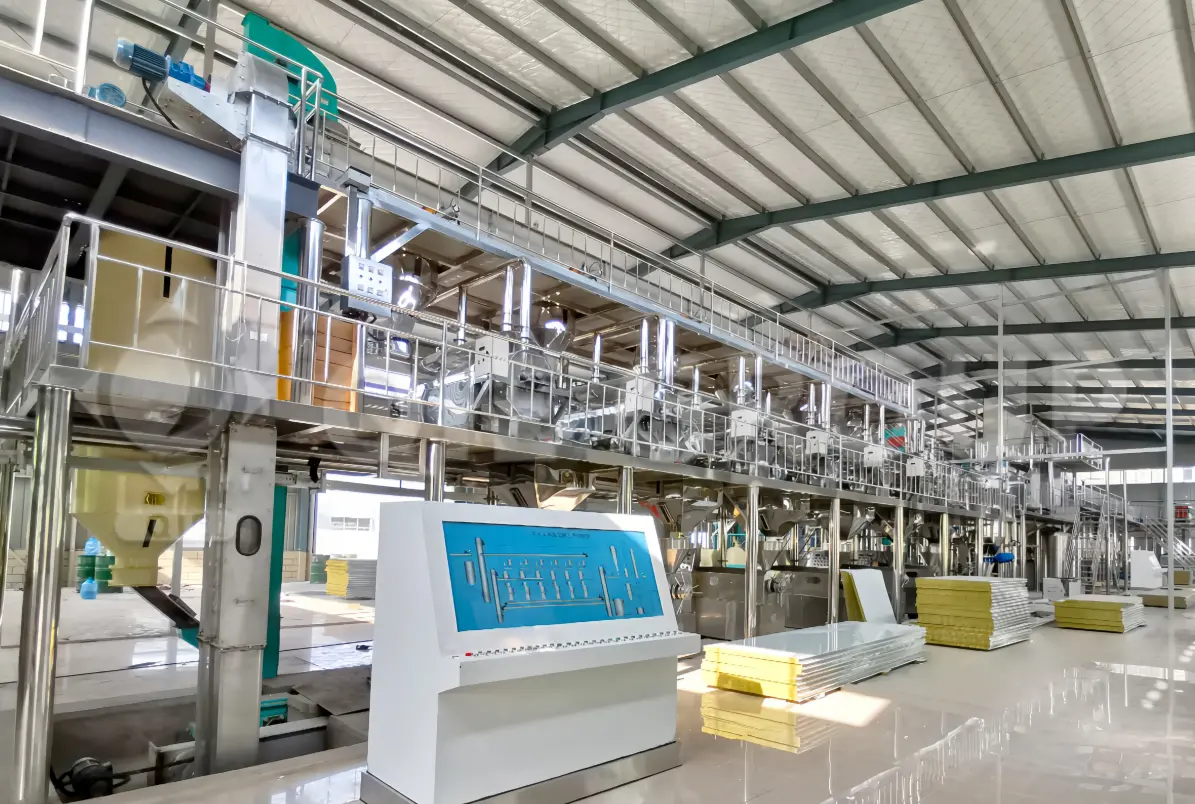
Medium and large-scale oil mills (such as 100 TPD to 3,000 TPD production lines) absolutely cannot afford downtime and quality fluctuations caused by human operational errors. By comprehensively introducing SCADA-based digital monitoring, production has achieved complete de-experientialization.
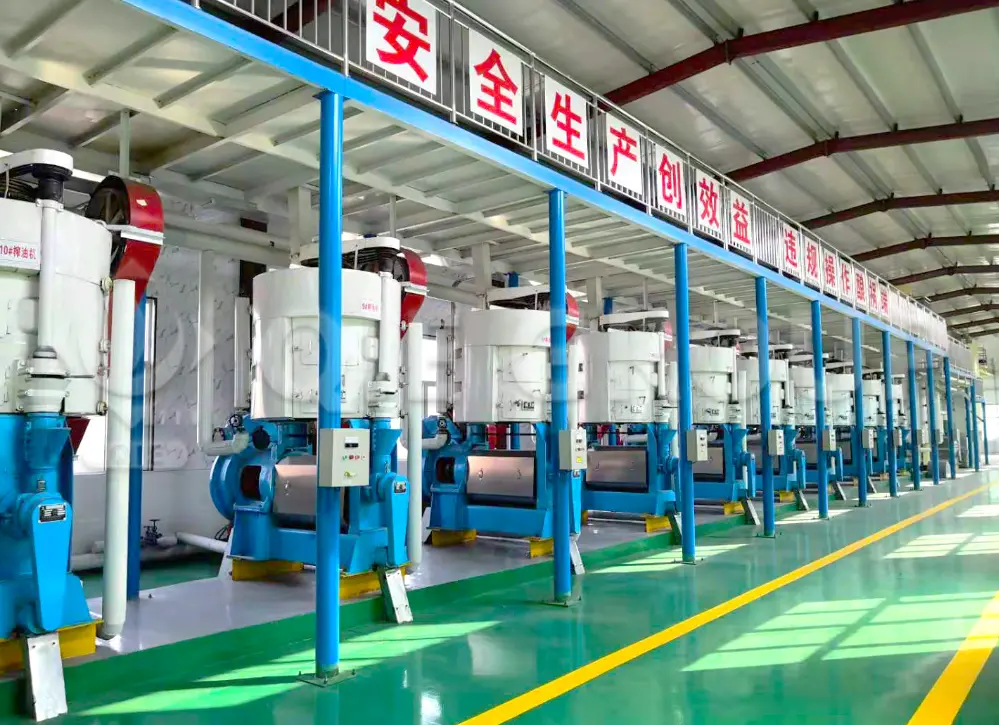
To make investment decisions for oil engineering projects more intuitive, we take a rapeseed/peanut pressing line with a daily processing capacity of 100 tons as an example to quantitatively contrast the operational benefits of smart low-temperature pressing technology against traditional processes:
| Technical Metrics | Traditional Conventional Pressing | QIE Smart Low-Temperature Pressing | Comprehensive Annual Benefit Increase (100 TPD Line) |
|---|---|---|---|
| Dry Cake Residual Oil Rate | 7.0% - 8.5% | 5.0% - 6.5% (Reduced by 1.5% on average) |
Yields an extra 1.5 tons of premium finished oil daily, translating directly into immediate cash flow. |
| Electricity Consumption per Ton | Approx. 28 - 34 kWh/t | Approx. 22 - 26 kWh/t (A 20% reduction) |
Driven by smart variable-frequency motors, saving over $14,000/Year in electricity (calculated across 300 operating days). |
| By-Product Value of Oil Cake | High temperatures cause severe protein denaturation; usable only as low-grade feed. | Proteins remain undenatured (Yields high-quality, defatted, low-denaturation meal) |
Meets the stringent requirements for deep protein processing, increasing the market premium of the meal by 10% - 15%. |
| Auxiliary Loss in Refining Stage | High pigment and phospholipid content leads to heavy gumming and high auxiliary consumption. | Crude oil has a light color and low phospholipids (Significantly reducing refining load) |
Lowers the consumption of bleaching earth, caustic soda, and other auxiliaries by approx. 12%, cutting costs across the entire plant. |
Long-Term Total Cost of Ownership (TCO) Calculation: For oil mill executives, equipment procurement cannot be judged solely by the initial purchase price; long-term operational costs are what matter. Although the initial equipment investment for the smart low-temperature pressing system is slightly higher than that of conventional expellers, the comprehensive loop of "saving on raw materials, saving on electricity, and saving on maintenance" ensures that the investment premium of the entire line is typically fully recovered within a production cycle of 6 to 10 months. Every run thereafter represents pure profit growth.
In the field of edible oil engineering, equipment stability and the synergy of the entire assembly-line process dictate the ultimate success or failure of a project. Blindly patching together standalone equipment from different vendors often leads to capacity mismatches between front and rear stages, pipeline blockages, or inflated energy consumption—ultimately crippling the entire production line.
QIE Group possesses 43 years of seasoned experience in oil machinery manufacturing and complete plant engineering construction. We operate 130,000 square meters of modernized manufacturing workshops, allowing us to provide global clients with full-lifecycle EPC Turnkey General Contracting Services—ranging from engineering design (process flows, 3D piping layouts), equipment manufacturing, and automation control system (PLC/SCADA) integration, to on-site installation, commissioning, and employee training.
Whether you are processing bulk oilseeds like soybeans and rapeseed, or developing specialized oils such as palm kernel, rice bran, and flaxseed, We can tailor a smart pressing solution that perfectly aligns with your efficiency goals, helping you break through red-ocean competition with hard technical strength.
Ready to upgrade your crushing margins and eliminate operational volatility?
QIE Group's engineering specialists are available to consult on your mill expansion or technological overhaul. Contact us to schedule a technical evaluation or request a comprehensive ROI projection based on your capacity targets.
 433
|
433
|
 Sunflower seed pressing energy consumption optimization
Energy-saving solutions for large screw oil presses
Pressing chamber configuration techniques
Effect of moisture content on oil yield
Energy-saving renovation of edible oil plants
191
|
Sesame oil pressing equipment
cold-pressed sesame oil
cold press oil machine
sesame oil cold pressing equipment
sesame oil production line
173
|
Grape seed screw press oil press
Oilseed oil extraction process
Vegetable oil processing technology
Oilseed oil market trends
Efficient oil extraction technology
250
|
rapeseed pressing process
Increased oil yield
Residual oil rate control
Screw oil press
Oil pretreatment
46
|
Mustard seed oil press
Oil processing equipment
Oil press machine solutions
mustard seed oil expeller
high oil yield solution
Sunflower seed pressing energy consumption optimization
Energy-saving solutions for large screw oil presses
Pressing chamber configuration techniques
Effect of moisture content on oil yield
Energy-saving renovation of edible oil plants
191
|
Sesame oil pressing equipment
cold-pressed sesame oil
cold press oil machine
sesame oil cold pressing equipment
sesame oil production line
173
|
Grape seed screw press oil press
Oilseed oil extraction process
Vegetable oil processing technology
Oilseed oil market trends
Efficient oil extraction technology
250
|
rapeseed pressing process
Increased oil yield
Residual oil rate control
Screw oil press
Oil pretreatment
46
|
Mustard seed oil press
Oil processing equipment
Oil press machine solutions
mustard seed oil expeller
high oil yield solution