
High residual oil in soybean press cake can reduce overall oil recovery and affect the economic performance of a soybean processing plant. However, high residual oil is not always caused by the screw press itself.
The problem may originate from raw material quality, moisture control, flaking, conditioning, feeding, press operating conditions, equipment wear, or limitations of the selected extraction route.
If the mechanical pressing system has already been properly optimized but still cannot achieve the required oil recovery target, the plant may need to evaluate whether a different process route, such as prepressing + solvent extraction, is more appropriate.
This guide explains the main causes of high soybean press cake residual oil, how to diagnose the problem, how to reduce residual oil, and when to consider a different extraction route.
Soybean press cake residual oil is the oil remaining in the solid material after mechanical pressing.
The amount depends on several factors, including:
It is important to distinguish residual oil content from oil recovery rate.
Residual oil content describes the oil remaining in the press cake, while oil recovery describes the proportion of oil originally present in the soybean feed that has been recovered. These values are related but should not be treated as interchangeable. For meaningful comparison, the measurement basis and laboratory method should also remain consistent.
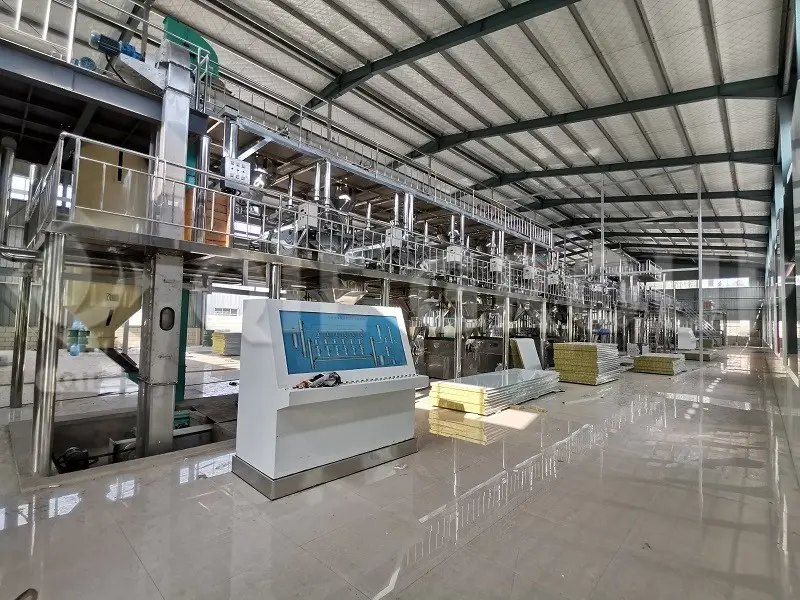
There is no single residual-oil value that applies universally to every soybean pressing plant. The appropriate target depends on:
Therefore, the key question is not simply:
“Is the residual oil above a standard value?”
Instead, ask:
“Is the current residual oil higher than the target established for this specific process, and has the plant already optimized the conditions that control oil recovery?”
If the plant previously operated normally and residual oil suddenly becomes higher, first check:
Moisture changes | Feeding instability | Flaking problems | Conditioning changes | Press operating conditions | Blockages | Equipment damage
A sudden increase is more likely to indicate a change in operating conditions or equipment performance than an inherent limitation of the process route.
If residual oil increases progressively over time, inspect:
Screw wear | Press cage wear | Maintenance history | Feed rate | Operating parameters
A gradual decline in pressing performance may indicate equipment wear or long-term process instability.
If residual oil has been high since the plant started operating, investigate:
Raw material characteristics | Pretreatment design | Flaking performance | Conditioning | Press configuration | Press operating conditions | Whether mechanical pressing is suitable for the required recovery target
Replacing the press without reviewing the process design may not solve the underlying problem.
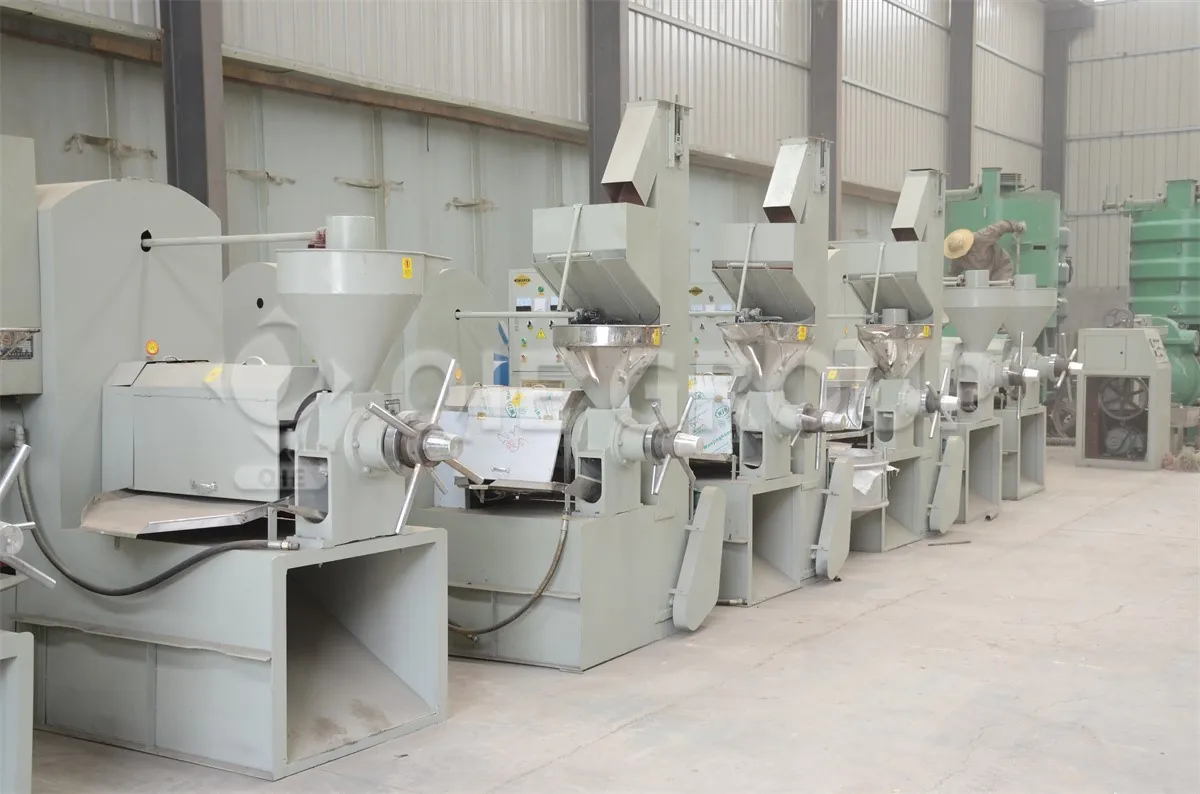
Moisture affects material plasticity, compression behavior, oil drainage, and cake formation. Excessive or insufficient moisture can make stable pressing more difficult.
Poor flaking can result in inconsistent material behavior and less effective oil release.
Conditioning prepares soybean material for pressing by changing its physical properties. Problems with temperature, moisture, residence time, or steam conditions can reduce process stability and oil drainage.
A screw press requires stable material feeding to maintain consistent compression and oil drainage.
Screw speed, feed rate, choke/back-pressure, and other operating conditions affect residence time, compression behavior, cake formation, and oil release.
Mechanical wear can change the internal operating geometry and reduce the press's ability to maintain the intended compression and drainage conditions.
Different soybean batches can have different oil contents and physical characteristics. Variations in oil content, moisture, foreign material, raw material quality, and storage condition can affect pressing performance. Low soybean oil content alone, however, does not prove that the screw press is inefficient.
This situation is different from an equipment failure. If raw material, moisture, flaking, conditioning, feeding, operating conditions are all optimized and equipment is in good condition, but residual oil still does not meet the required target, the selected mechanical pressing route may have reached its practical recovery limit for the application.
Mechanical pressing cannot recover all the oil contained in soybean material, so some oil remains associated with the solid material after pressing.

A structured diagnosis helps prevent unnecessary equipment replacement.
Test oil content, moisture, foreign material, general quality, and storage condition.
Review the material from soybean intake through: Cleaning → Cracking → Flaking → Conditioning. Check whether the material entering the press is consistent.
Review feed rate, screw speed, press load, choke/back-pressure, oil output, and cake appearance.
Inspect screw components, press cage, bearings, drive system, wear parts, and abnormal vibration.
Take representative samples and use a validated laboratory method. Evaluate the result together with raw material oil content, feed rate, process conditions, cake moisture, and historical performance. A single laboratory result should not automatically trigger a process-route change.
Analyze residual oil together with the overall material and oil balance: Oil available in raw material → Oil recovered in crude oil → Oil remaining in press cake and other losses. This helps determine whether the problem is related to measurement, raw material, pressing performance, or the selected process route.
The solution should match the diagnosed cause.
| Diagnosed Cause | Recommended Direction |
|---|---|
| Moisture fluctuation | Improve moisture and conditioning control |
| Poor flaking | Adjust and maintain the flaking system |
| Conditioning instability | Stabilize temperature, moisture, residence time and steam conditions |
| Unstable feeding | Repair the feeder and stabilize material flow |
| Incorrect press settings | Optimize screw speed, feed rate and back-pressure |
| Equipment wear | Inspect and replace worn components |
| Raw material variation | Improve raw material testing and control |
| Mechanical recovery limitation | Evaluate alternative process routes |
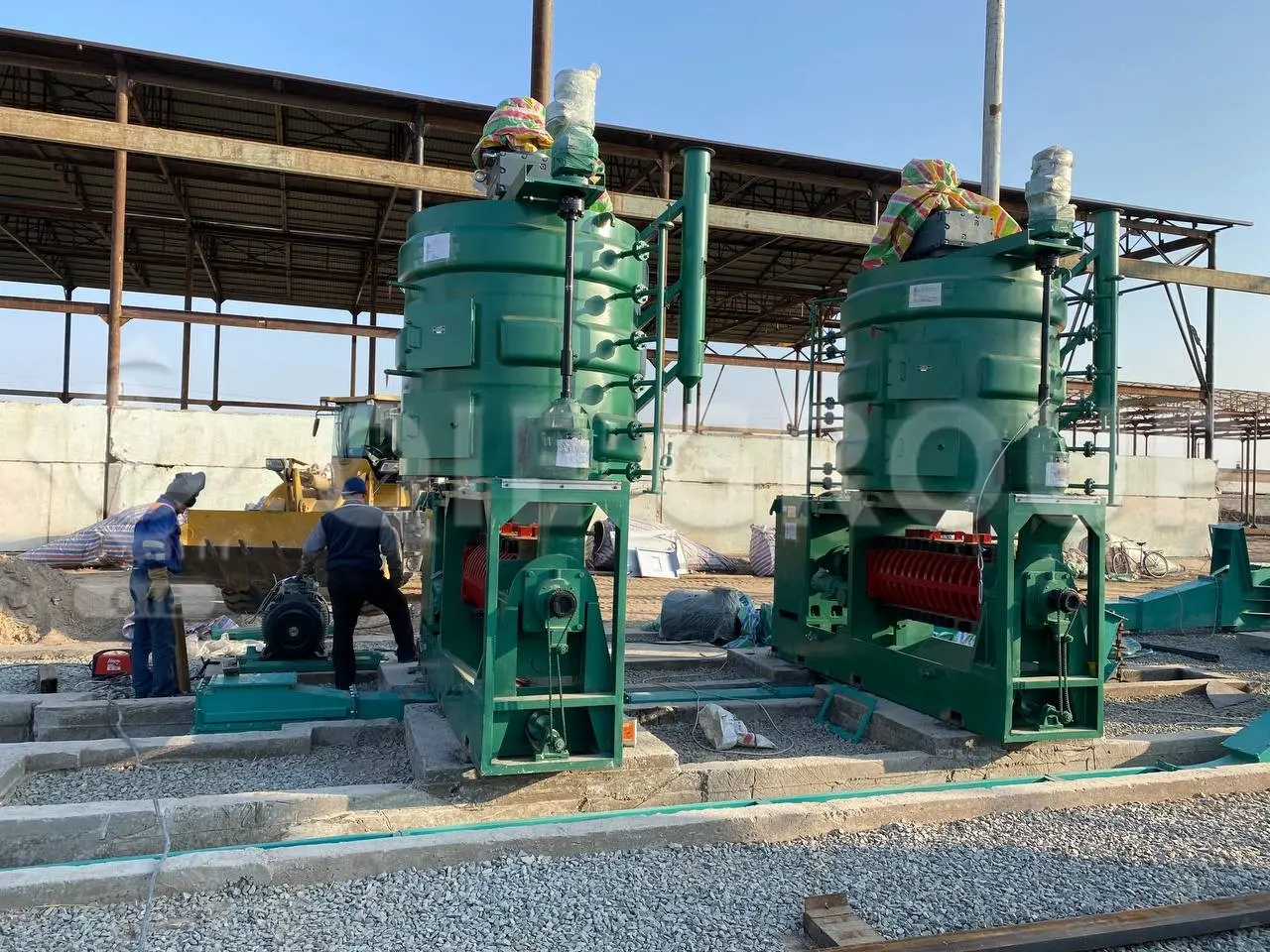
When residual oil remains high, the plant needs to determine whether it has an equipment problem or a process-route limitation.
Mechanical pressing uses a screw press to remove oil through conveying, compression, friction, pressure development, and oil drainage.
It generally offers:
However, some oil remains in the press cake.
Prepressing + solvent extraction combines mechanical extraction with a subsequent solvent extraction stage.
The prepressing stage removes part of the oil mechanically. The resulting press cake is then processed through solvent extraction to recover additional oil. Prepressing should not be described simply as “reducing cake porosity.” The cake must retain suitable physical characteristics for solvent penetration and oil recovery.
Consider this route when:
The evaluation should consider:
There is no universal TPD threshold at which solvent extraction automatically becomes the correct choice.
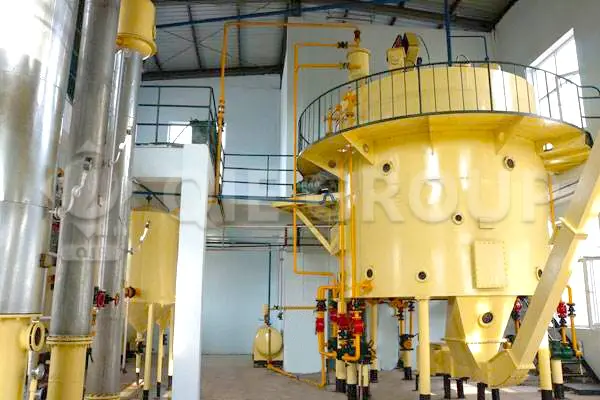
Use the following logic:
First choice: Troubleshoot the existing process.
Check moisture, feeding, flaking, conditioning, press settings, and equipment condition.
First choice: Inspect equipment condition.
Pay particular attention to screw wear, cage wear, and maintenance history.
First choice: Review raw material and process design.
Check raw material, pretreatment, press configuration, operating conditions, capacity, and recovery target.
If Raw Material → Pretreatment → Conditioning → Feeding → Pressing has been properly optimized but the required recovery target still cannot be achieved, compare Mechanical Pressing with Prepressing + Solvent Extraction. This is a process-design decision rather than simply an equipment-maintenance decision.
Reducing residual oil can increase recoverable oil, but the economic benefit should be calculated from actual plant data.
The resulting value depends on:
A lower residual-oil percentage does not automatically mean a better investment. The additional oil recovered must be compared with the cost required to achieve that improvement.
Yes. An existing plant does not necessarily need to replace the entire process. Depending on the diagnosis, upgrades may focus on:
Cleaning, Flaking, Conditioning, Material handling
Screw press operating conditions, Worn components, Feeding system, Press configuration
Moisture monitoring, Feed-rate monitoring, Press-load monitoring, Residual-oil testing, Historical performance tracking
If mechanical pressing has reached its practical recovery limit, the plant can evaluate whether adding a prepressing + solvent extraction system is technically and economically appropriate.
QIE GROUP provides integrated soybean oil processing solutions covering pretreatment, mechanical pressing, solvent extraction, and refining. Depending on project requirements, solutions can include:
The correct solution depends on raw material, processing capacity, current process flow, equipment condition, and recovery target.
There is no single universal value for every soybean pressing plant. The appropriate target depends on raw material, pretreatment, press design, operating conditions, and the selected process route. The most reliable approach is to compare laboratory results with the target established for the specific plant.
Yes. Moisture affects material plasticity, conditioning, compression behavior, oil drainage, and cake formation. The appropriate operating target depends on the soybean and the selected process design.
Yes, if the existing press configuration or equipment condition is limiting oil recovery. However, high residual oil can also result from moisture, flaking, conditioning, feeding, raw material, or process-route limitations. The cause should be diagnosed before replacing the press.
Not automatically. Solvent extraction can be attractive when higher oil recovery is required and the additional capital, operating complexity, solvent handling, safety, and environmental requirements are economically justified. The appropriate process route depends on project-specific conditions.
Compare raw soybean oil content, moisture, pretreatment conditions, flake quality, feed rate, press operating conditions, equipment condition, and press cake residual oil. If raw material and process conditions remain stable but performance deteriorates over time, equipment wear should be investigated. If residual oil has been high from the beginning, process design and raw material should also be reviewed.
Consider this route when the existing mechanical pressing system has been properly optimized but still cannot economically achieve the required oil recovery. The decision should be based on actual residual oil results, raw material oil content, plant capacity, required recovery, oil and meal economics, investment requirements, and energy/environmental costs. It should be treated as a process-design decision rather than a simple equipment upgrade.
High soybean press cake residual oil should not automatically be treated as a screw press problem.
If the cause is related to moisture, pretreatment, feeding, operating conditions, or equipment wear, process optimization may solve the problem. If the existing mechanical pressing system is already optimized but still cannot meet the required recovery target, the plant should evaluate whether prepressing + solvent extraction is technically and economically justified.
The best solution depends on soybean characteristics, plant capacity, existing equipment, required recovery target, and project economics.
For a technical evaluation, the most useful information includes:
These details can help determine whether the appropriate direction is process optimization, equipment upgrading, or a different extraction route.
 398
|
398
|
 oil press machine
oil press cost
edible oil plant investment
high-efficiency oil press
oil yield
372
|
Peanut Oil Press
Increased oil yield
Pressing process optimization
Oil extraction efficiency
Residual oil management
167
|
smart oil pressing technology
low temperature oil expeller
residual oil rate
oil mill automation
oil extraction plant cost
219
|
black seed oil processing equipment
cold press black seed oil machine
nigella sativa oil press
black seed oil refining
hydraulic vs screw oil press
121
|
rice bran oil pre-pressing
stabilization
screw press design
extraction plant engineering
oilseed pre-treatment
oil press machine
oil press cost
edible oil plant investment
high-efficiency oil press
oil yield
372
|
Peanut Oil Press
Increased oil yield
Pressing process optimization
Oil extraction efficiency
Residual oil management
167
|
smart oil pressing technology
low temperature oil expeller
residual oil rate
oil mill automation
oil extraction plant cost
219
|
black seed oil processing equipment
cold press black seed oil machine
nigella sativa oil press
black seed oil refining
hydraulic vs screw oil press
121
|
rice bran oil pre-pressing
stabilization
screw press design
extraction plant engineering
oilseed pre-treatment


