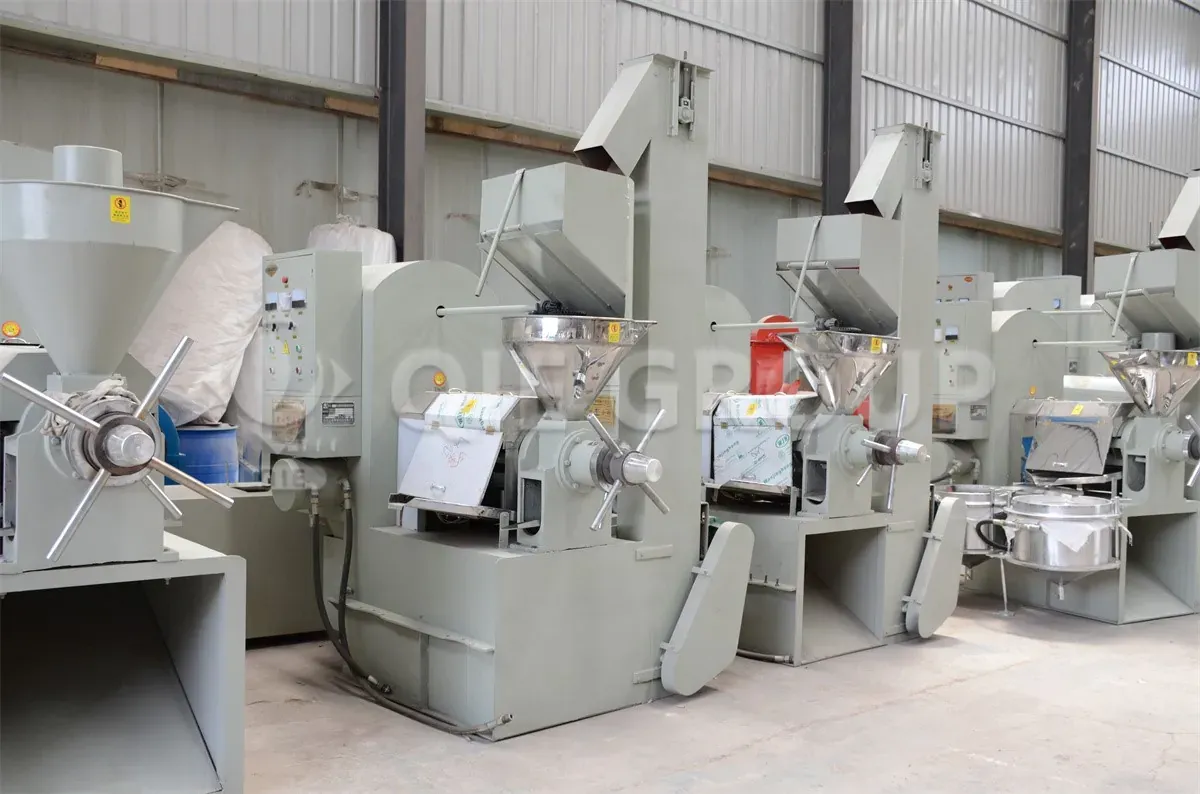
Soybean oil is one of the largest segments of the global vegetable oil market, but its production process is far from "simple." Investment decisions in this area go beyond simply purchasing presses or extraction equipment: yield stability, energy efficiency, solvent safety, soybean meal quality, and environmental compliance all depend on the systematic coordination of dozens of components. Engineering-level assessments are crucial for selecting the appropriate process window, establishing raw material reserves, and ensuring uninterrupted 24/7 operation.
For investors, executives, and technical personnel, thinking from an end-to-end cyclical perspective is helpful: Raw materials → Route → Configuration → Economics → Reliability. This cycle helps identify bottlenecks early, assess risks, and make decisions that better address seasonal fluctuations in soybean quality and market volatility.
Oil content affects pressing performance
Soybeans typically have an oil content of 18–22%. Soybeans with a lower oil content require higher pressing pressure or a combination of extraction processes to ensure oil recovery.
The Influence of Protein Structure on Equipment and Processes
Soybeans have a high protein content and are sensitive to shear force, temperature, and mechanical stress. Over-processing can lead to protein denaturation, reduced oil yield, and increased equipment wear.
Seasonal and regional fluctuations
Different production areas, harvest seasons, and varieties exhibit variations in moisture content, impurities, particle hardness, and composition. Engineering designs must incorporate process windows and equipment redundancy to cope with raw material fluctuations and ensure continuous and stable operation.
Full pressing process
The entire pressing process is relatively simple, requires less investment, and involves minimal heating of the soybean meal, making it suitable for small to medium-sized projects or applications with specific quality requirements for the soybean cake. However, its residual oil content is relatively high, and its economic disadvantages will gradually become apparent as raw material costs rise or the scale of production expands. 👉( How to choose a suitable soybean oil press? )
Pre-pressing-solvent extraction process
Pre-pressing followed by solvent extraction is the mainstream route for large and medium-sized soybean oil extraction projects, which can significantly improve oil yield and overall economic efficiency. However, this route places higher demands on system integration, solvent safety, and operation management, and the engineering design must be based on continuous and stable operation.
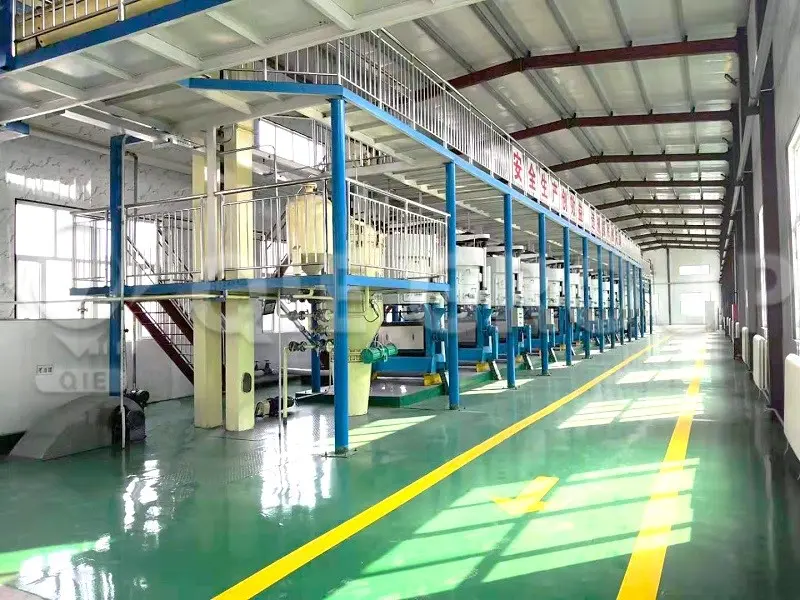
From an engineering perspective, production capacity is the core factor determining the process route. Route selection should be based on long-term operating costs and investment recovery logic, rather than simply comparing the price per ton of equipment.
Pretreatment
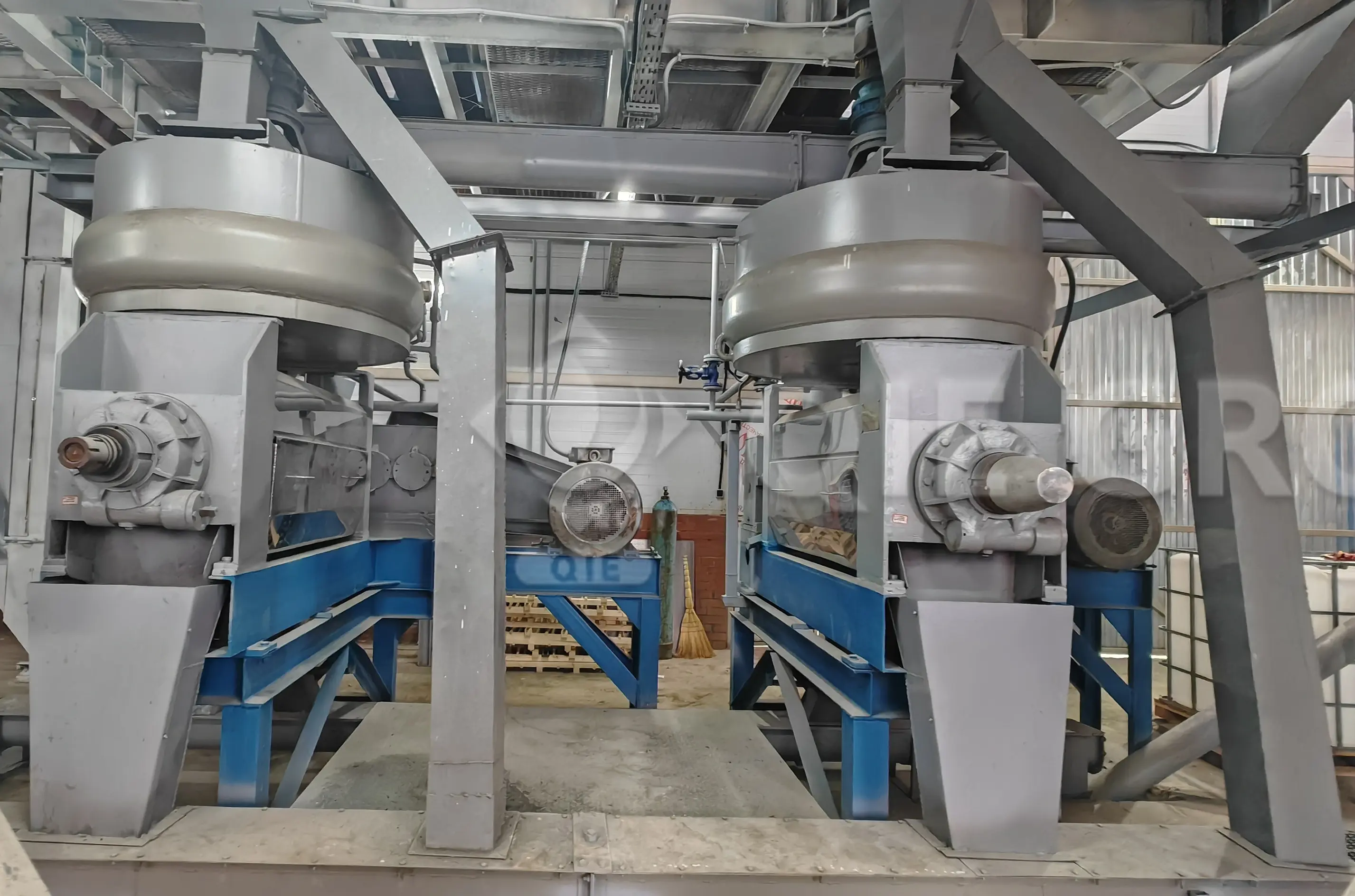
Cleaning efficiency, billet uniformity, and steaming/roasting parameter control directly determine the stability of subsequent pressing and solvent extraction. The design phase should fully consider the impact of raw material quality fluctuations on the system to provide stable and controllable billet conditions for subsequent processes.
Pressing and solvent extraction systems
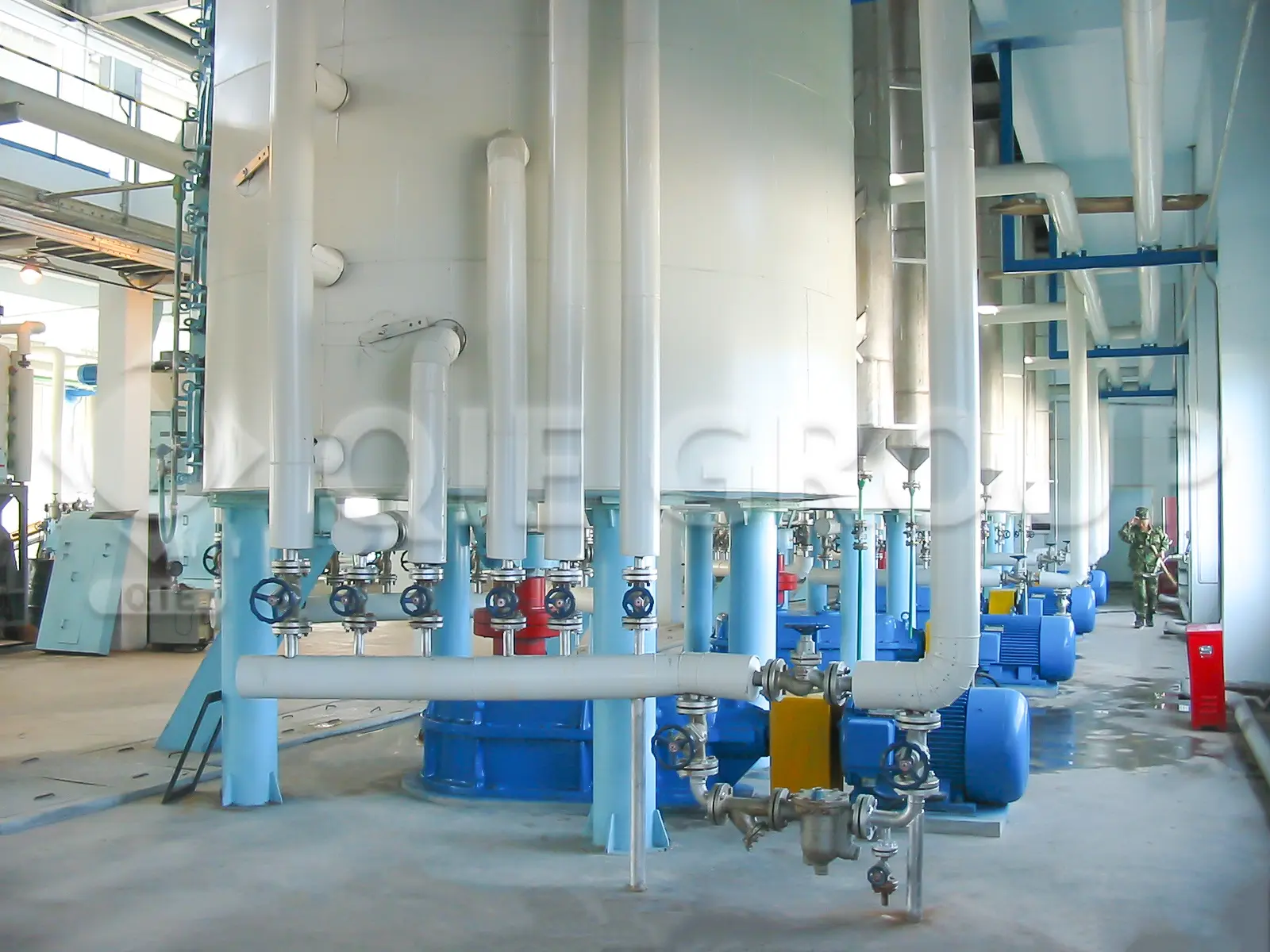
Pressing equipment needs to have good load stability and adaptability to cope with changes in the oil content and moisture content of the raw materials. Solvent extraction systems are highly sensitive to sealing, solvent recovery efficiency, and operational continuity; any weakness can amplify operational risks. 👉( Common Problems in Soybean Oil Pressing )
Downstream systems: meal, oil, solvent
The soybean meal cooling and drying, crude oil temporary storage and filtration, and solvent recovery systems must be precisely matched with the main process capacity. Engineering practice shows that insufficient downstream capacity is often a hidden bottleneck restricting the achievement of full production capacity.
Steam and electricity are the main energy sources for soybean oil mills. Efficient steam system design, condensate recovery, and waste heat utilization can significantly reduce unit energy consumption. For variable load equipment such as fans and pumps, the rational application of variable frequency technology is a proven energy-saving method in mature oil mills.
Raw material pretreatment and pressing equipment
Leaching and Solvent Recovery System
Crude oil processing and subsequent refining system
Utilities and auxiliary systems (boilers, power, water treatment, automation)
Energy consumption, labor, maintenance, and solvent loss constitute the main components of operating costs. In actual projects, these indicators are highly correlated with equipment selection, system matching, and management level; underestimating any single factor will cause the economic model to deviate from reality.
A reasonable payback period assessment should be based on conservative assumptions about raw material prices, oil yield, and product selling price, while allowing sufficient buffer space for uncertainties. In engineering practice, overly optimistic models are often the starting point for project risks.
Soybean meal is the most important by-product of soybean oil extraction projects, and its protein content and processing parameters directly determine its market value. Precise heat treatment control can maintain soybean meal quality while ensuring oil yield.
In addition, recovering soybean lecithin from oil residue and making comprehensive use of by-products such as soap residue and soybean skin are important ways to improve the overall profitability of the project.
Personnel Competency : Modern oil refineries require highly skilled operators who understand process principles, equipment operation, safety procedures (especially those involving solvents), and basic troubleshooting. Professional training is a crucial prerequisite for project success.
Commissioning and reaching full production capacity : System commissioning is a crucial stage for verifying engineering design and identifying and resolving problems. A sound commissioning logic and full production capacity plan (gradually increasing load and optimizing parameters) are essential for achieving designed capacity and stable operation.
Reliability design : Equipment material selection, redundancy of key components (such as key pumps), setting of online monitoring points, preventive maintenance plans, and replacement design of vulnerable parts, etc., together support the goal of long-term (such as 8,000 hours/year) continuous operation.
| Evaluation Dimensions | Suitable conditions for advancement | Conditions to be carefully considered |
|---|---|---|
| Raw material security | Stable supply and controllable quality | Large fluctuations and no buffer |
| Process route | Matching with production capacity and investment | Route and scale mismatch |
| System matching | Coordination of primary and secondary capabilities | There are obvious bottlenecks |
| Economic Model | Based on the conservative assumption | Assuming overly optimistic |
| Operation and maintenance capabilities | Can cultivate a professional team | Neglecting training and maintenance |
QIE Group's turnkey solutions begin with engineering-level feasibility assessments and extend throughout the entire process of design, manufacturing, installation, commissioning, and training. Their core value lies in helping clients identify and mitigate systemic risks early in the project, laying the foundation for the long-term stable operation and predictable returns of a complete turnkey soybean oil processing plant.
Please contact QIE Group to secure turnkey soybean oil processing projects.
 450
|
450
|
 Oil press life
Oil press stability
Screw oil press
Hydraulic oil press
Oil press maintenance
Edible oil processing equipment
Oil press maintenance
Oil press operation precautions
477
|
oil press working principle
screw oil press
commercial oil press
edible oil production process
vegetable oil processing equipment
352
|
Cold-pressed flaxseed oil
QIE Group Cold Press Solutions
Additive-free healthy formula
Flaxseed oil cold press machine
Cold pressing process for flaxseed oil
275
|
Ethiopian sesame oil machine
Cold pressed sesame oil equipment
High oil yield press
African sesame oil processing
Automated oil extraction
111
|
Oil Press Machine
Edible Oil Production
Screw Oil Press
Maintenance Cost
Oil Extraction Equipment
Oil press life
Oil press stability
Screw oil press
Hydraulic oil press
Oil press maintenance
Edible oil processing equipment
Oil press maintenance
Oil press operation precautions
477
|
oil press working principle
screw oil press
commercial oil press
edible oil production process
vegetable oil processing equipment
352
|
Cold-pressed flaxseed oil
QIE Group Cold Press Solutions
Additive-free healthy formula
Flaxseed oil cold press machine
Cold pressing process for flaxseed oil
275
|
Ethiopian sesame oil machine
Cold pressed sesame oil equipment
High oil yield press
African sesame oil processing
Automated oil extraction
111
|
Oil Press Machine
Edible Oil Production
Screw Oil Press
Maintenance Cost
Oil Extraction Equipment