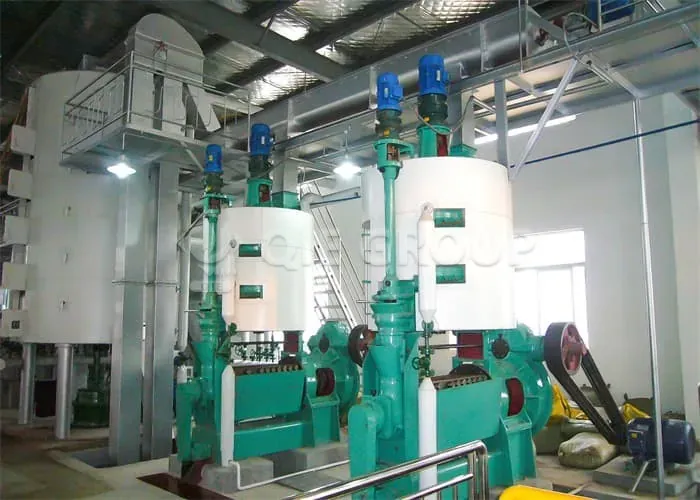
Looking to get the most out of your sunflower seeds? With global demand for high-quality sunflower oil on the rise—especially in China and Southeast Asia—choosing the right oil press machine can make all the difference. A high-efficiency, stable sunflower seed oil press not only boosts oil yield but also ensures premium quality, reduces energy consumption, and integrates seamlessly into your edible oil production line.
In this article, we'll break down how sunflower seed oil press machines work, their key advantages, how to integrate them into your production process, and tips for selecting the right equipment to maximize your investment.
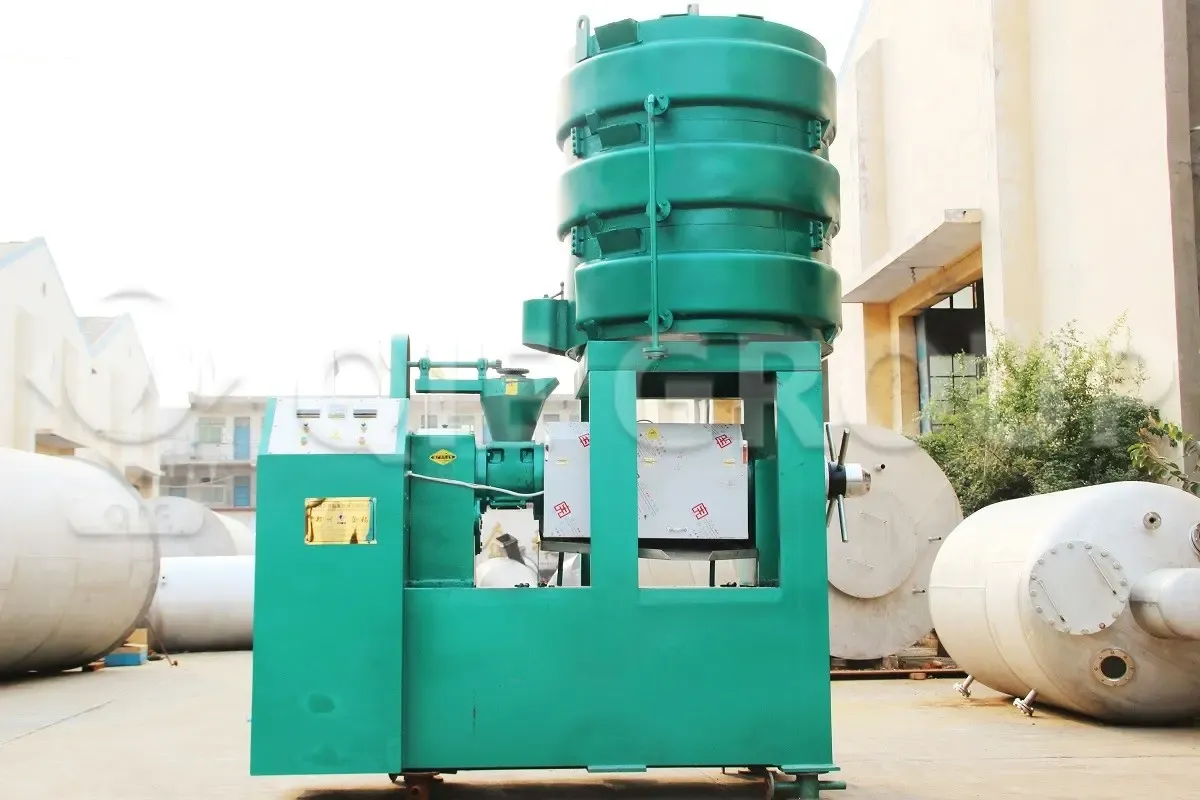
In industrial edible oil production, the sunflower seed oil press machine (also called a screw oil press) is the core equipment for physical oil extraction. Its main function is to mechanically squeeze oil from pre-treated sunflower seed kernels, producing crude oil (unrefined oil) and oilcake.
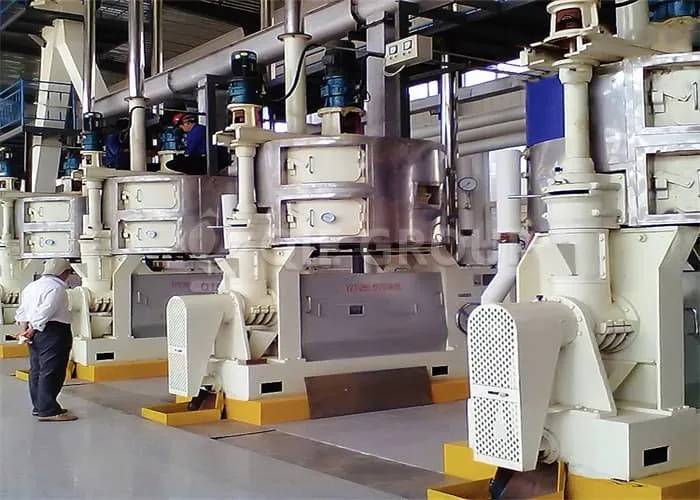
Sunflower kernels enter the press and are pushed forward by a rotating screw. As the screw pitch gradually decreases and the pressing chamber narrows, the material is subjected to high pressure. Combined with elevated temperature, the cell structures break down, releasing oil through the press slots, while solid cake is discharged at the outlet.
Modern commercial screw presses generally use a bar-type structure, offering high oil yield, stable operation, and easy maintenance, making them ideal for continuous sunflower seed processing.
👉 ( Oil Press Selection Guide: 3 Key Points to Choose the Right Machine )
Oil yield directly impacts profitability, while oil quality affects refining costs and market competitiveness.
1. Precise Pre-Treatment
Essential steps include cleaning, de-stoning, crushing, flaking, and steaming/conditioning.
Dehulling improves kernel oil content, flaking disrupts cell structures, and steaming adjusts moisture and temperature, enhancing oil release.
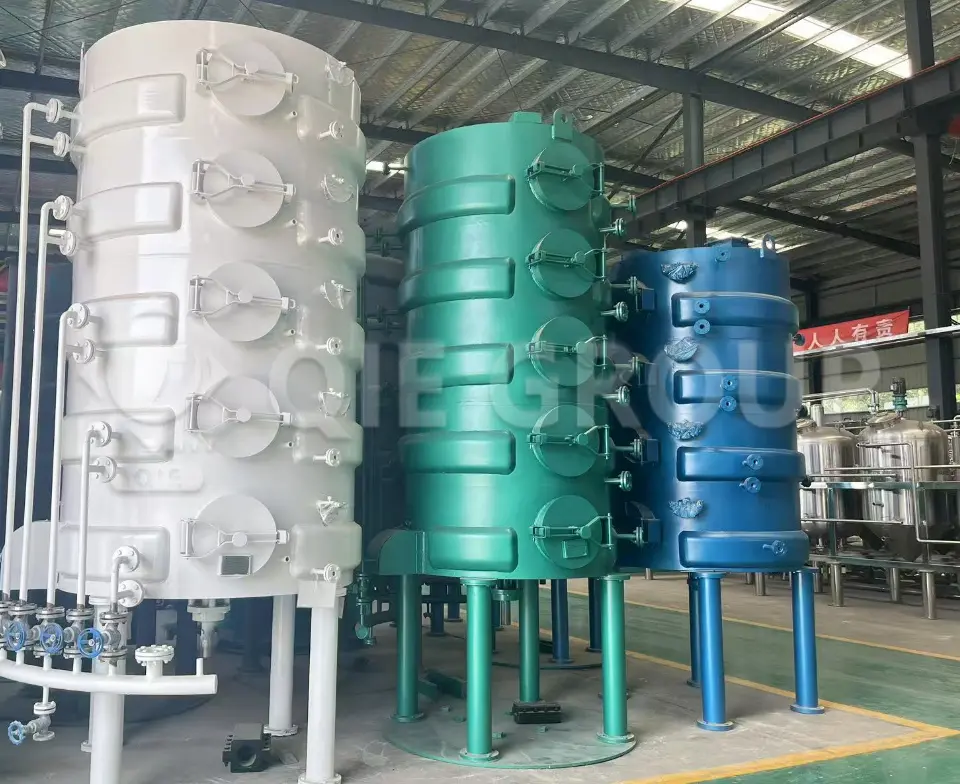
2. Optimizing Pressing Parameters
Adjust screw speed, feeding rate, and cake thickness according to raw material characteristics. 👉 ( Energy-Saving Screw Oil Press Solutions )
Maintain stable pressing chamber pressure to avoid slippage or excessive friction that can degrade oil quality.
3. "Pre-Press + Solvent Extraction” Hybrid Process
For plants processing over 20 tons/day, pre-pressing removes part of the oil, followed by solvent extraction to recover residual oil.
This approach can reduce cake residual oil to below 1%, significantly improving overall oil yield.
Control pressing temperature to prevent oxidation or off-flavors.
Filter crude oil promptly to remove suspended solids, providing a clean feed for refining.
Pro tip: Stable crude oil quality reduces refining loss and chemical consumption, saving costs in the long run.
A high-efficiency sunflower seed oil press machine is a key link in the entire oil production line.
1. Pre-Treatment Stage
Cleaning → De-stoning → Crushing → Flaking → Steaming/Conditioning
Ensures uniform particle size and loosened cell structure, directly affecting press efficiency and oil yield.
2. Pressing Stage
Single-stage pressing produces crude oil and oilcake.
Crude oil passes through a vacuum filtration system before entering storage tanks.
3. Optional Solvent Extraction
Pre-pressed cake undergoes solvent extraction to maximize oil recovery.
Pre-Press + Solvent extraction yields high-concentration mixed oil and low-residual oilcake.
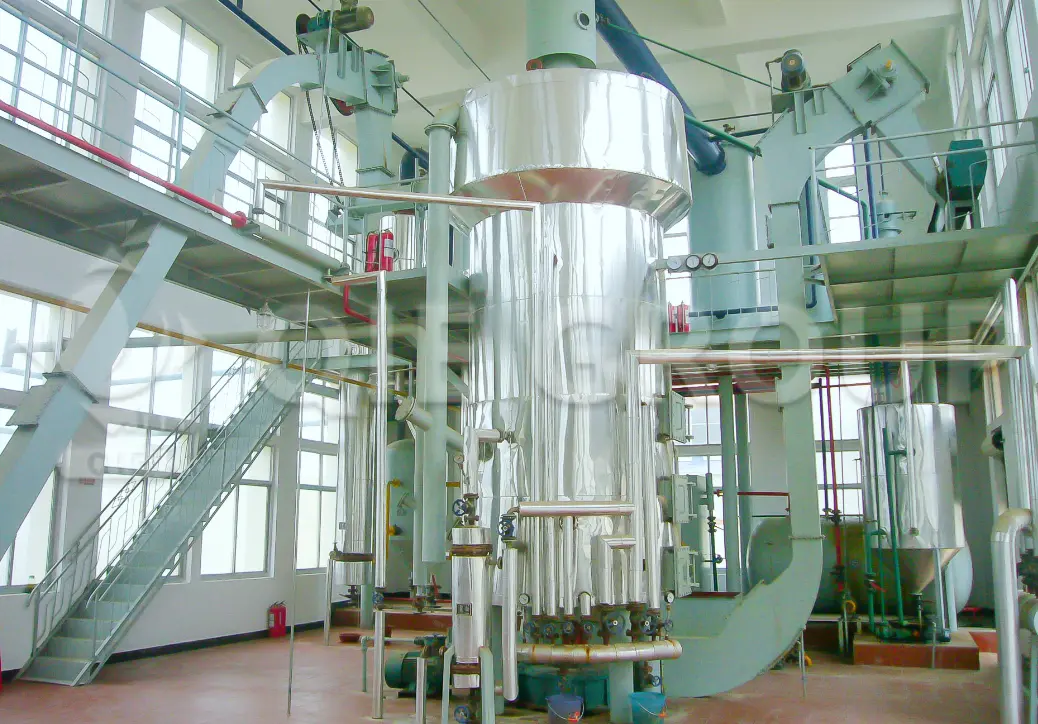
4. Refining Stage
Crude oil undergoes degumming, neutralization, bleaching, deodorization, and dewaxing to produce edible oil meeting international standards.
High-quality crude oil reduces refining loss and improves product value.
QIE Group Advantage: Offers turnkey solutions from pre-treatment → pressing → extraction → refining, ensuring equipment compatibility, smooth workflow, and optimal energy consumption.
| Parameter | Commercial Standard | Impact on Capacity |
|---|---|---|
| Single Machine Capacity | 10–600 TPD | Determines plant scale and ROI |
| Power Configuration | 18.5–22 kW (for 250–300 TPD model) | Affects energy consumption and stability |
| Material & Build | Special steel pressing chamber + stainless steel contact surfaces | Reduces wear, extends lifespan to 10+ years |
| Automation | PLC control + online monitoring | Reduces manual intervention, ensures consistent oil quality |
Tip: Large plants are recommended to equip silos (2,500 tons) and crude oil tanks (1,000 tons × 8 units) to maintain continuous production.
QIE Group has successfully delivered sunflower seed oil production lines ranging from 50 TPD to 500 TPD in Russia, Uzbekistan, Africa, and other regions.
In a 500 TPD project, optimizing pre-press and extraction integration kept residual oil in cake below 0.8%.
Overall oil yield and operational efficiency increased significantly, enhancing profitability.
Q1: What's the difference between a sunflower seed oil press and a soybean oil press?
A: Sunflower seeds have smaller particle size and higher oil content. Screw design and pressing chamber pressure are optimized for sunflower seeds.
Q2: How can residual oil in cake be reduced?
A: Use “pre-press + solvent extraction,” optimize pressing parameters, and control pre-treatment temperature and moisture.
Q3: What is the equipment maintenance cycle?
A: With durable materials, the press can run 1–2 years continuously without major repairs. Routine lubrication and daily checks ensure stable operation.
Choosing professional equipment is the foundation of success. A sunflower seed oil press is more than a machine—it's a core asset that affects ROI.
Contact QIE Group today for solutions for your sunflower seed oil pressing process → 397
|
397
|
 Low temperature oil press
Twin-screw oil pressing equipment
High efficiency oil yield
Oil processing equipment
Cold Pressed
477
|
oil press working principle
screw oil press
commercial oil press
edible oil production process
vegetable oil processing equipment
338
|
single screw oil press
double screw oil press
edible oil processing equipment
edible oil processing plant
oilseed processing solutions
low-temperature oil pressing
275
|
Ethiopian sesame oil machine
Cold pressed sesame oil equipment
High oil yield press
African sesame oil processing
Automated oil extraction
102
|
Peanut oil press improves oil yield
Peanut oil press pretreatment method
Peanut oil press operation techniques
Peanut oil press machine for high-efficiency pressing
Peanut oil press process optimization
Low temperature oil press
Twin-screw oil pressing equipment
High efficiency oil yield
Oil processing equipment
Cold Pressed
477
|
oil press working principle
screw oil press
commercial oil press
edible oil production process
vegetable oil processing equipment
338
|
single screw oil press
double screw oil press
edible oil processing equipment
edible oil processing plant
oilseed processing solutions
low-temperature oil pressing
275
|
Ethiopian sesame oil machine
Cold pressed sesame oil equipment
High oil yield press
African sesame oil processing
Automated oil extraction
102
|
Peanut oil press improves oil yield
Peanut oil press pretreatment method
Peanut oil press operation techniques
Peanut oil press machine for high-efficiency pressing
Peanut oil press process optimization