In sunflower oil processing projects, many investors focus first on machine price or nominal capacity. However, based on decades of real factory operation experience, the key factor that truly determines profitability is not the price tag—it is whether the oil press is properly matched to your process, raw material, and plant scale.
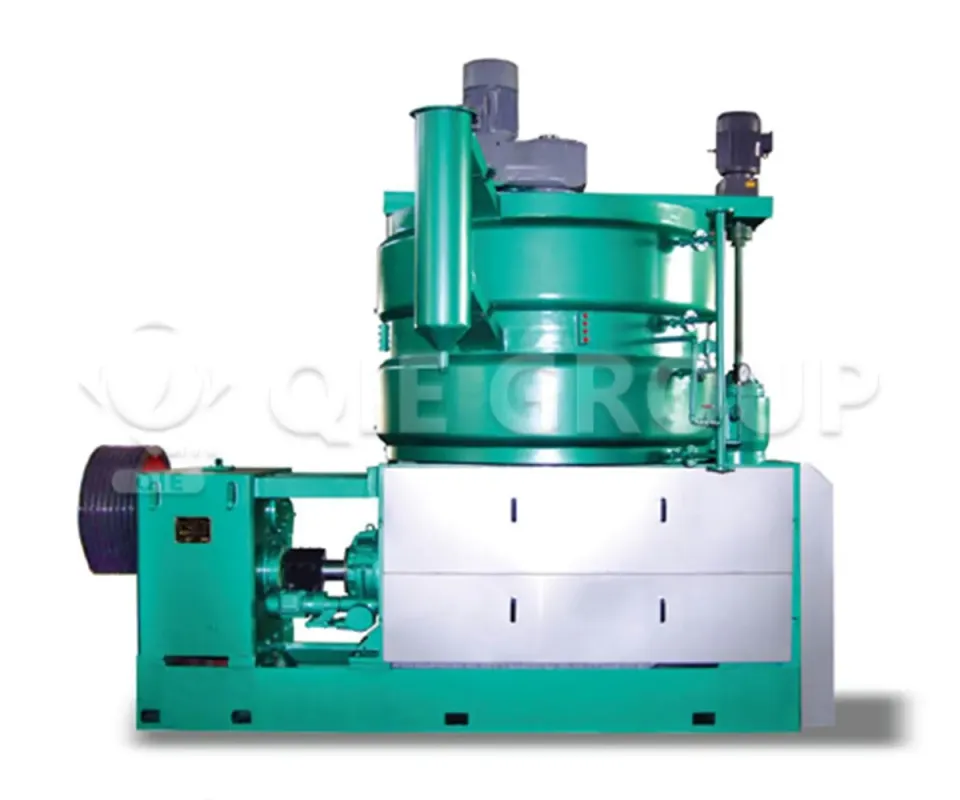
Whether you operate a full pressing line or a pre-pressing and solvent extraction system, the sunflower seed oil press machine plays a central role in oil yield, energy consumption, maintenance cost, and long-term plant stability. 👉( How to improve the oil yield of the oil press? )
In practice, the question is not “Do I need an oil press?”It is “Is my oil press working efficiently and reliably for my plant?”
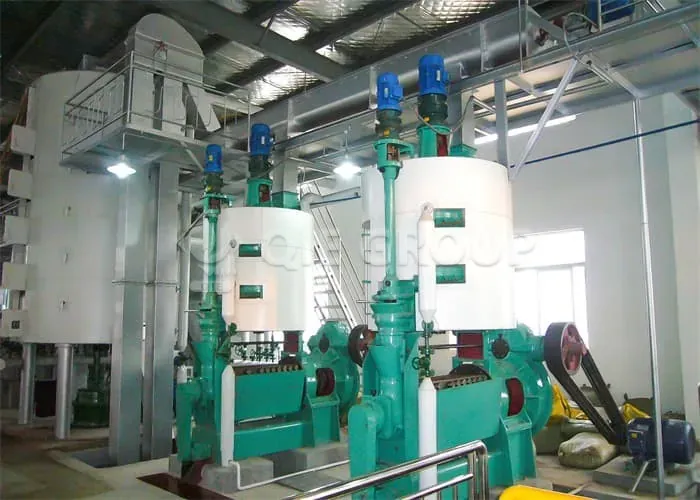
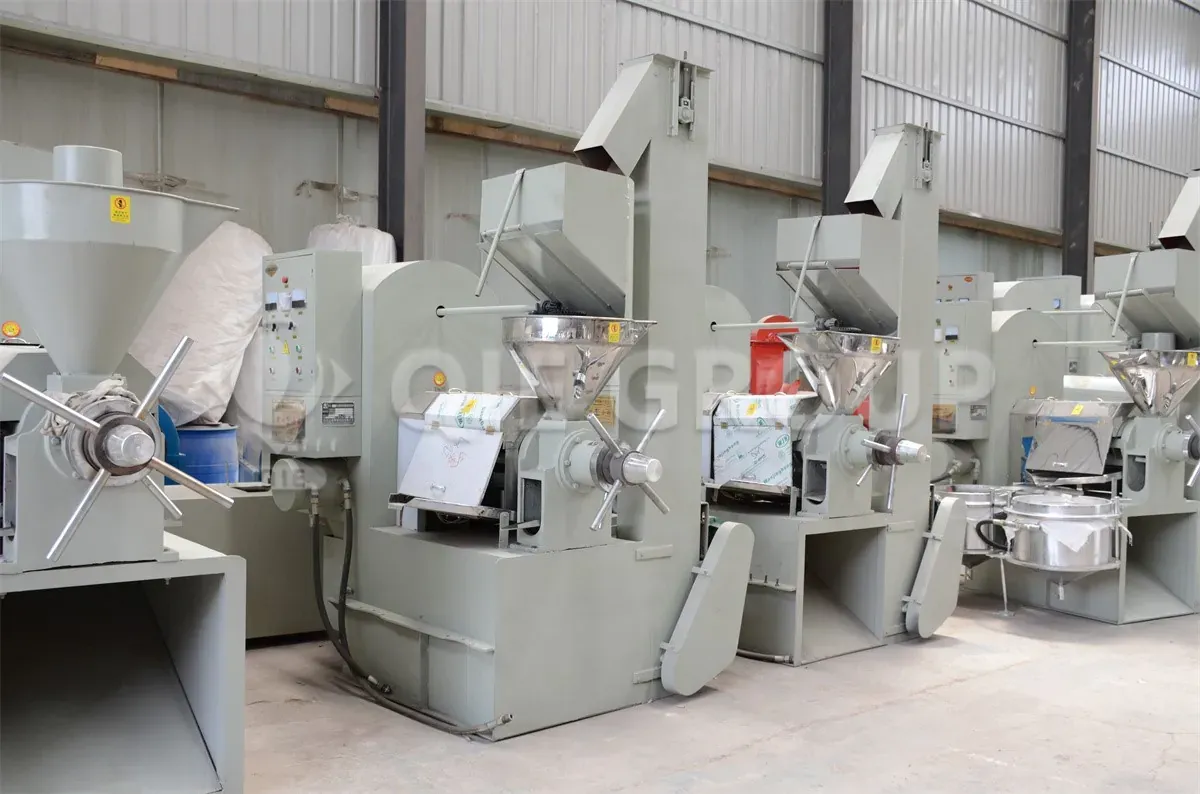
For edible oil plants with a capacity of 10–50 tons per day, full pressing is commonly adopted. In this case, the oil press machine directly determines:
Crude oil yield
Cake residual oil content
Power consumption per ton of oil
Labor and maintenance cost
Simply put, an inefficient sunflower oil press can quickly erase your profit margin, even with good-quality raw material.
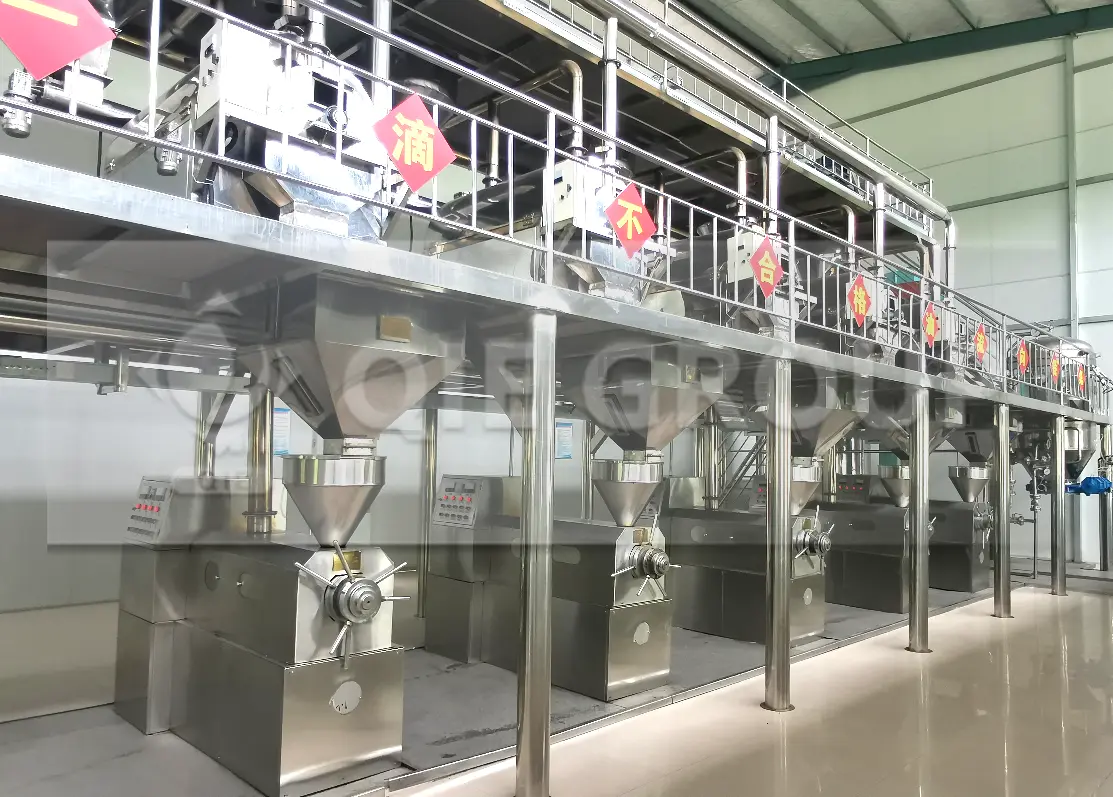
For capacities above 50 tons/day, the pre-pressing + solvent extraction process is widely used.
From real project operation, pre-pressing is far from optional:
Extracts 30%–35% of oil before extraction
Reduces solvent circulation load
Forms porous press cake with excellent permeability
This directly impacts:
Extraction efficiency
Solvent consumption
Final residual oil level
A well-designed industrial sunflower seed pre-press machine lays the foundation for a stable and efficient extraction system.
In discussions with plant owners and EPC contractors, the same issues appear repeatedly.
Many customers report:
“The machine is rated for 10 TPD, but it only processes 6–7 TPD in reality.”
Typical causes include:
Insufficient seed conditioning or uneven moisture
Screw and cage structure not optimized for sunflower seeds
Undersized motor or inefficient transmission system
Capacity mismatch is usually a design issue, not a raw material problem.
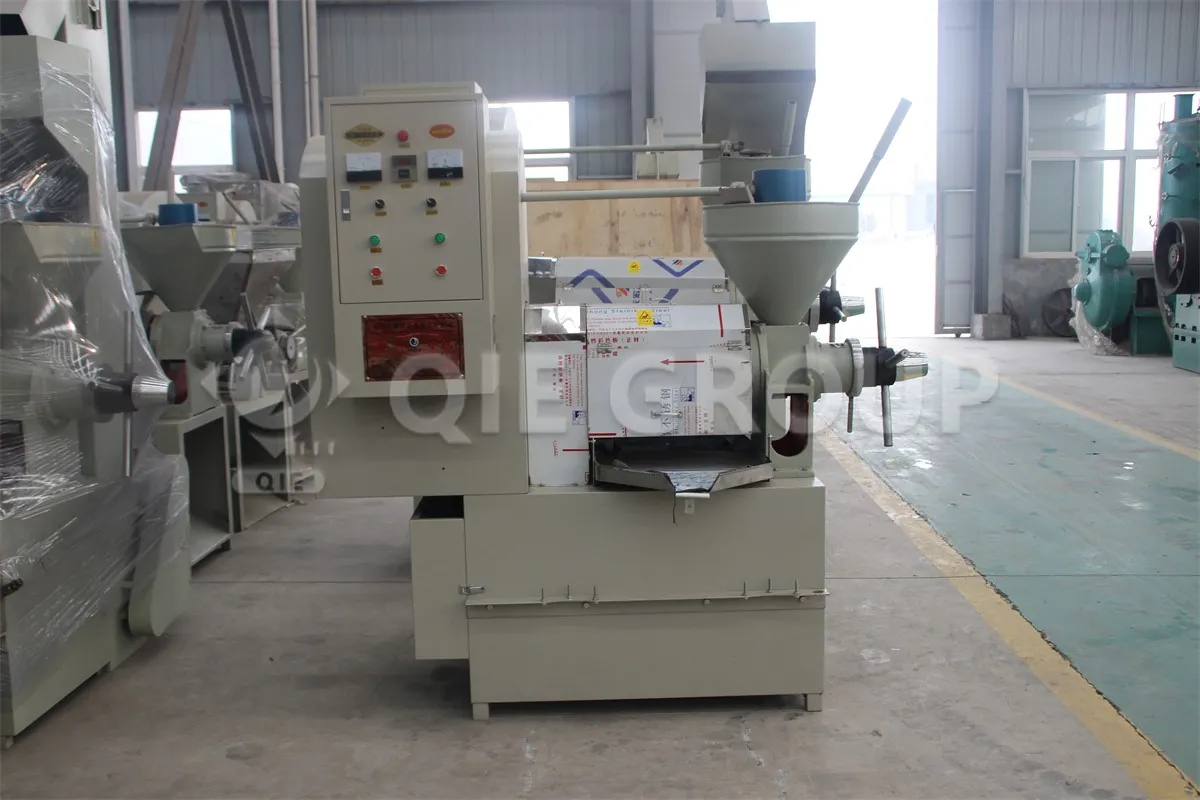
Sunflower seeds have a high shell content and are rich in fiber, making them very susceptible to wear and tear on oil presses.
If screw shafts, cages, or bars use poor materials or improper heat treatment, results are inevitable:
Gradual oil yield decline
Frequent spare-part replacement
Increased downtime
Over time, low-cost machines often become the most expensive option.
Many buyers focus only on purchase price, while ignoring:
Power consumption per ton of oil
Oil yield difference
Maintenance and labor cost
In reality, Total Cost of Ownership (TCO) is what matters. A high-efficiency sunflower oil press machine can recover its price difference within 1–2 years through higher oil yield and stable operation.
Typical questions include:
One large press or multiple smaller units?
Is dehulling necessary?
Should I invest in pre-pressing from the beginning?
There is no universal answer. Correct selection must be based on raw material characteristics, plant layout, budget, and future expansion plans.
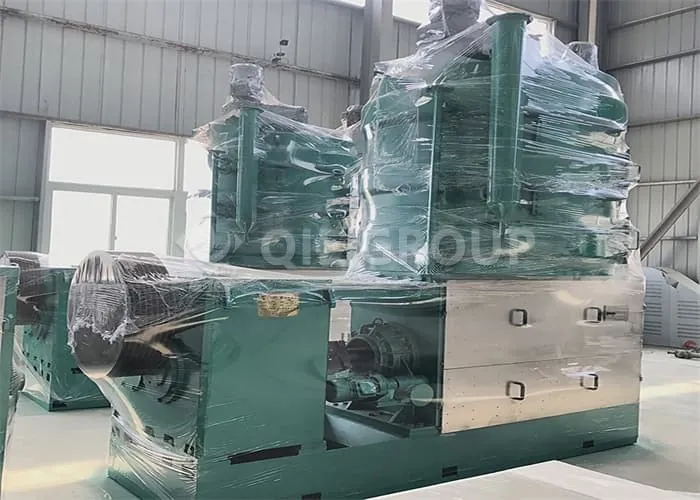
With over 40 years of experience in edible oil engineering, QIE Group designs oil press machines with long-term operation and total profitability in mind.
Progressive compression screw design
Precision-machined press cage and bars
Uniform pressure distribution along the pressing zone
This structure avoids material blockage at the inlet and oil backflow at the outlet.
An adjustable cake thickness system allows fine tuning according to oil content and moisture, ensuring optimal pressing conditions.
Screw shafts and cages made from high-strength alloy steel
Special heat treatment increases wear resistance by over 30%
Modular press bars allow partial replacement instead of full disassembly
This significantly reduces downtime and maintenance cost in continuous operation plants. 👉( How to Reduce Wear and Maintenance Costs of Oil Press Machines? )
Precisely matched motor power
Direct transmission system with minimal energy loss
Optional waste heat recovery for seed conditioning
In long-term operation, energy consumption per ton of oil shows a clear advantage.
For medium and large edible oil plants, PLC-based control systems are available:
Real-time monitoring of current, temperature, and pressure
Automatic alarm and shutdown in abnormal conditions
Reduced dependence on operator experience
This is especially valuable in regions with high labor costs or limited skilled operators.
Bigger is not always better. Correct matching is the key.
| Daily Capacity | Recommended Configuration | Application |
|---|---|---|
| 10–20 TPD | Single screw oil press (with hulls) | Low investment, small plants |
| 20–50 TPD | Oil press + dehulling + cooking | Oil yield +10%–15% |
| ≥50 TPD | Pre-press + solvent extraction | Residual oil ≤1% |
Practical advice:
If sunflower seed hull content exceeds 30%, dehulling is strongly recommended. Although initial investment increases, oil yield improvement and reduced wear quickly offset the cost.
An oil yield increase of just 1% can mean substantial annual profit growth for an industrial plant.
The oil press is never a standalone machine.
QIE Group provides complete sunflower oil pressing lines, from cleaning and dehulling to cooking, pressing, and filtration—ensuring stable material conditions at the press inlet.
Cooking temperature: 100–120°C
Seed moisture before pressing: 5%–6%
Pressing temperature: 60–70°C
Cake thickness: 2–4 mm, loose and porous
These parameters should be adjusted based on actual raw material conditions.
Even the best machine requires correct operation. QIE Group provides:
Operation and maintenance manuals
Preventive maintenance schedules
On-site or remote technical guidance
Choosing a sunflower oil press machine means choosing a long-term engineering partner.
Long-term cooperation with Henan University of Technology
60+ senior engineers
Complete plant design capacity from 10 to 3000 TPD
Projects delivered in over 100 countries worldwide
Service Assurance:
12-month warranty for complete machine
18-month warranty for core components
Technical response within 72 hours for overseas projects
Lifetime technical support and process optimization
A sunflower seed oil press machine may look simple, but it directly affects: oil yield, energy consumption, maintenance cost, plant operating stability
Rather than focusing solely on purchase price, successful edible oil producers evaluate long-term efficiency and total return.
If you are planning or upgrading a sunflower oil processing plant, QIE Group is ready to support your project with practical engineering solutions—from a single oil press to a complete production line.
 278
|
278
|
 sunflower seed oil press machine
screw oil press
edible oil plant equipment
high-efficiency oil press
sunflower oil production line
147
|
Soybean crushing
Residual oil rate optimization
Large oil press
Oil refinery energy-saving upgrade
Screw oil press
352
|
Cold-pressed flaxseed oil
QIE Group Cold Press Solutions
Additive-free healthy formula
Flaxseed oil cold press machine
Cold pressing process for flaxseed oil
284
|
Palm Oil Press
High efficiency and energy saving equipment
Nigerian oil refinery solutions
Palm fruit processing equipment
Automated pressing system
111
|
Oil Press Machine
Edible Oil Production
Screw Oil Press
Maintenance Cost
Oil Extraction Equipment
sunflower seed oil press machine
screw oil press
edible oil plant equipment
high-efficiency oil press
sunflower oil production line
147
|
Soybean crushing
Residual oil rate optimization
Large oil press
Oil refinery energy-saving upgrade
Screw oil press
352
|
Cold-pressed flaxseed oil
QIE Group Cold Press Solutions
Additive-free healthy formula
Flaxseed oil cold press machine
Cold pressing process for flaxseed oil
284
|
Palm Oil Press
High efficiency and energy saving equipment
Nigerian oil refinery solutions
Palm fruit processing equipment
Automated pressing system
111
|
Oil Press Machine
Edible Oil Production
Screw Oil Press
Maintenance Cost
Oil Extraction Equipment