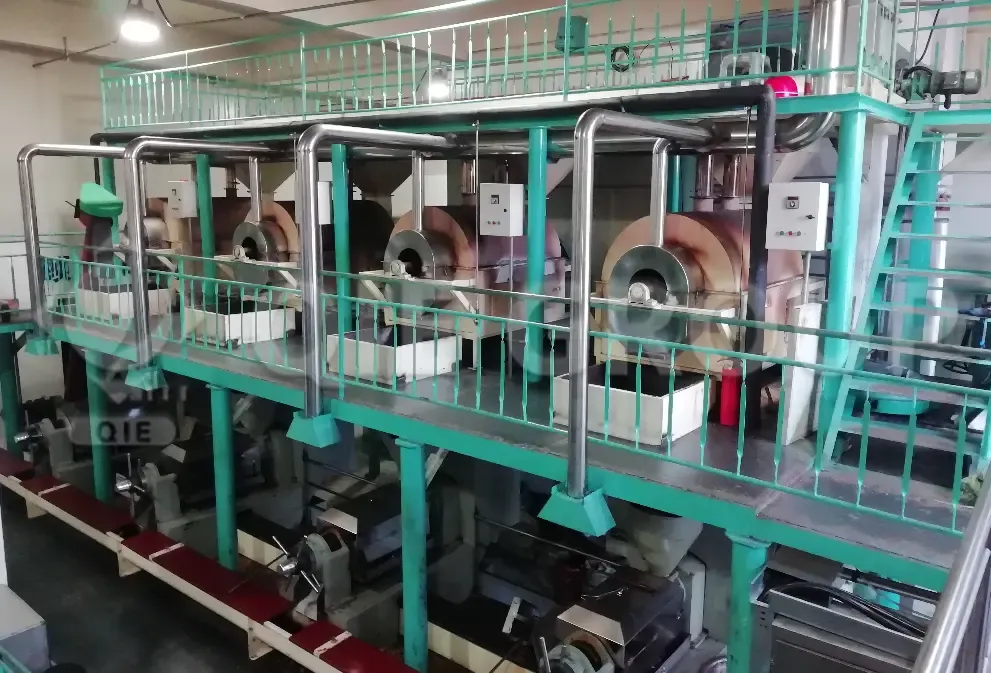
With the growing demand for healthy edible oils, tea seed oil has gained increasing attention due to its high content of unsaturated fatty acids, natural vitamin E, and other nutritional components. As a premium plant oil, tea seed oil is attracting more investors who are planning to establish tea seed oil processing projects.
However, when selecting equipment, investors usually do not only ask “Which oil press machine is the best?” Instead, they want to deep dive into system-level questions: Should they choose cold or hot pressing? What does a full production line require? How to optimize configuration and yield? This article breaks down everything you need to know.
Compared with common oilseeds such as soybean and rapeseed, tea seeds have harder shells and a relatively high shell ratio. If they are directly pressed without proper pretreatment, it may increase equipment wear, reduce processing efficiency, and affect oil yield.
Therefore, tea seeds usually require pretreatment before entering the pressing process. The main pretreatment steps include:
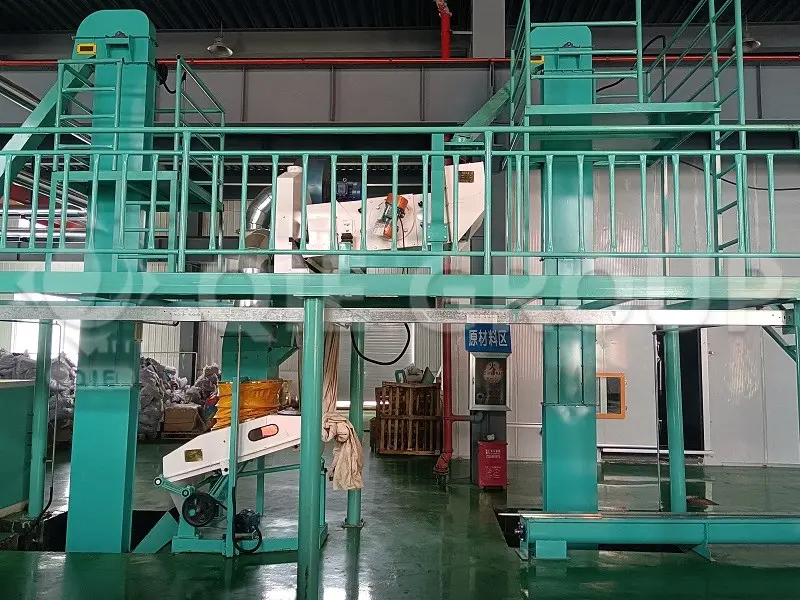
At present, screw pressing technology is widely used in commercial tea seed oil production. A typical full-line processing flow follows this structural layout:
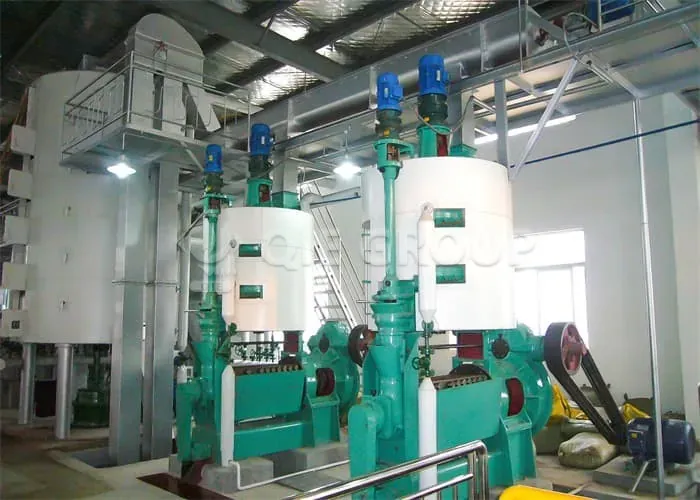
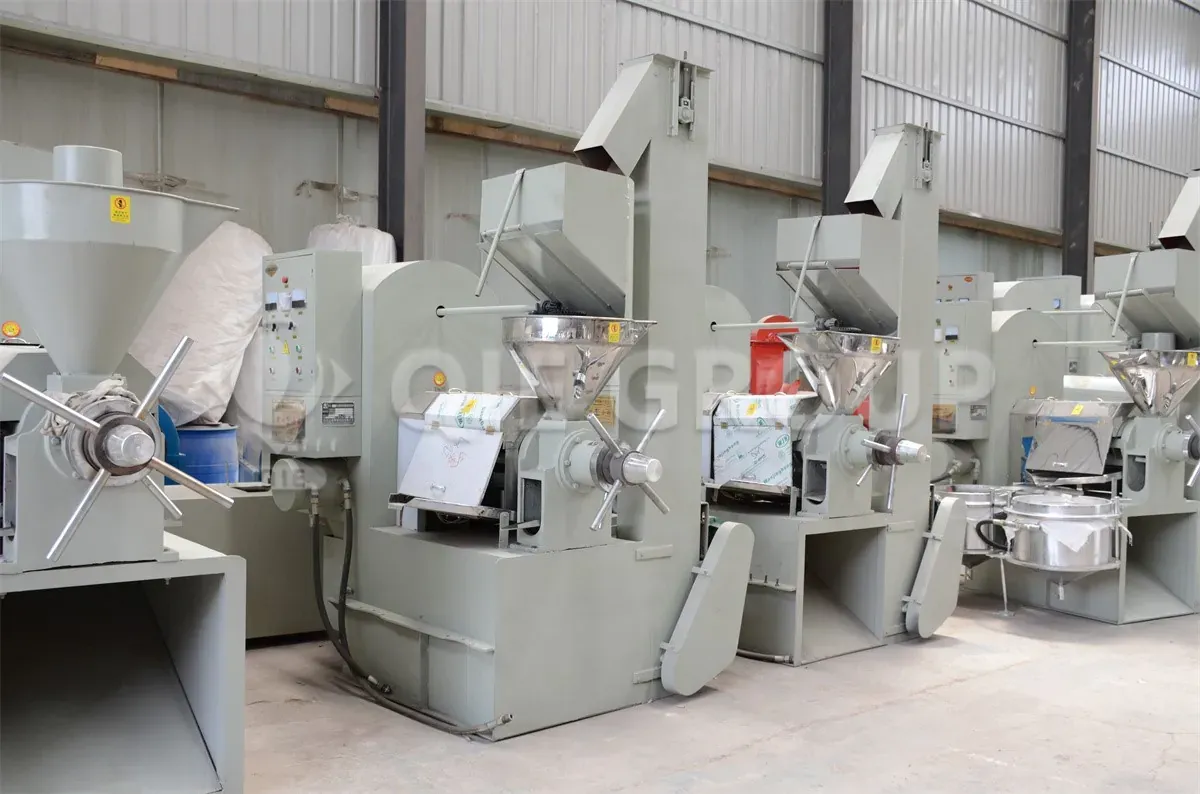
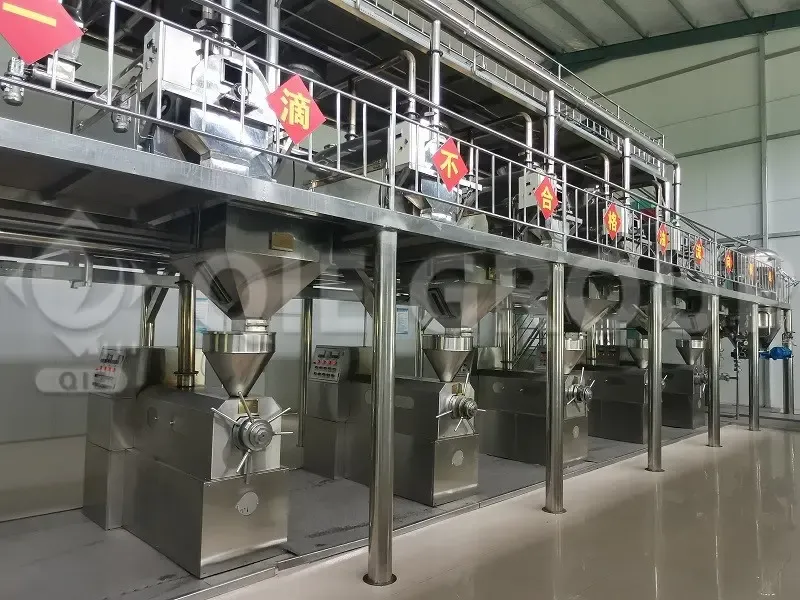
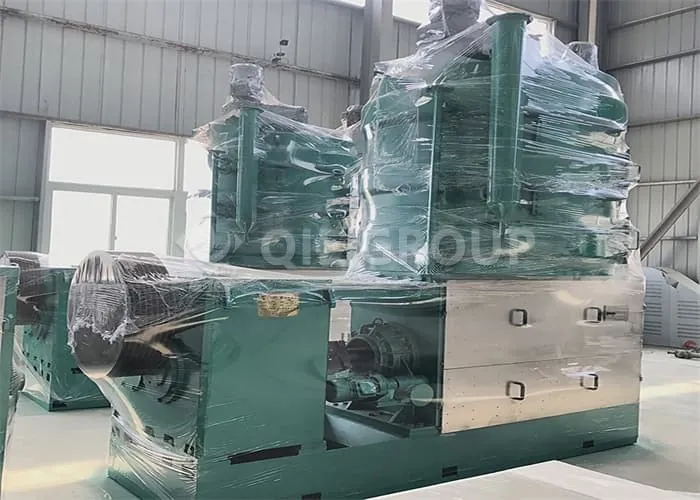
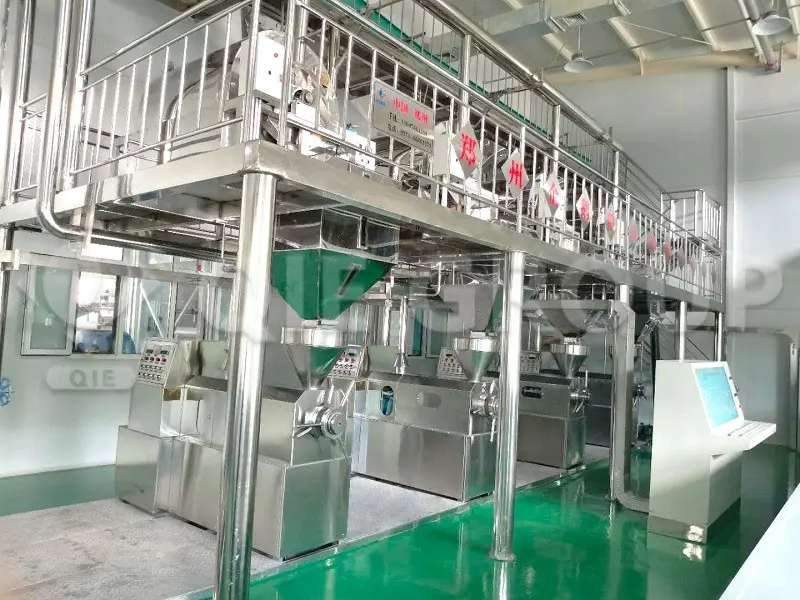
A screw oil press uses a rotating screw shaft to continuously push the material forward. As the pressing chamber gradually becomes smaller, internal pressure increases dynamically, forcing oil to separate from the material through the gaps of the press cage, while the compressed cake is discharged from the end of the machine.
For premium cold-pressed tea seed oil, lower pressing temperatures are strictly maintained to preserve natural flavor and nutritional components. For commercial-scale production, hot pressing is more commonly adopted because it provides higher processing efficiency and better overall economic performance.
Different types of equipment are suitable for different production scales and product positioning. There is no single machine that fits every project.
| Equipment Type | Main Features | Recommended Applications |
|---|---|---|
| Screw Oil Press | Continuous production, high capacity, high automation level | Medium and large tea seed oil mills |
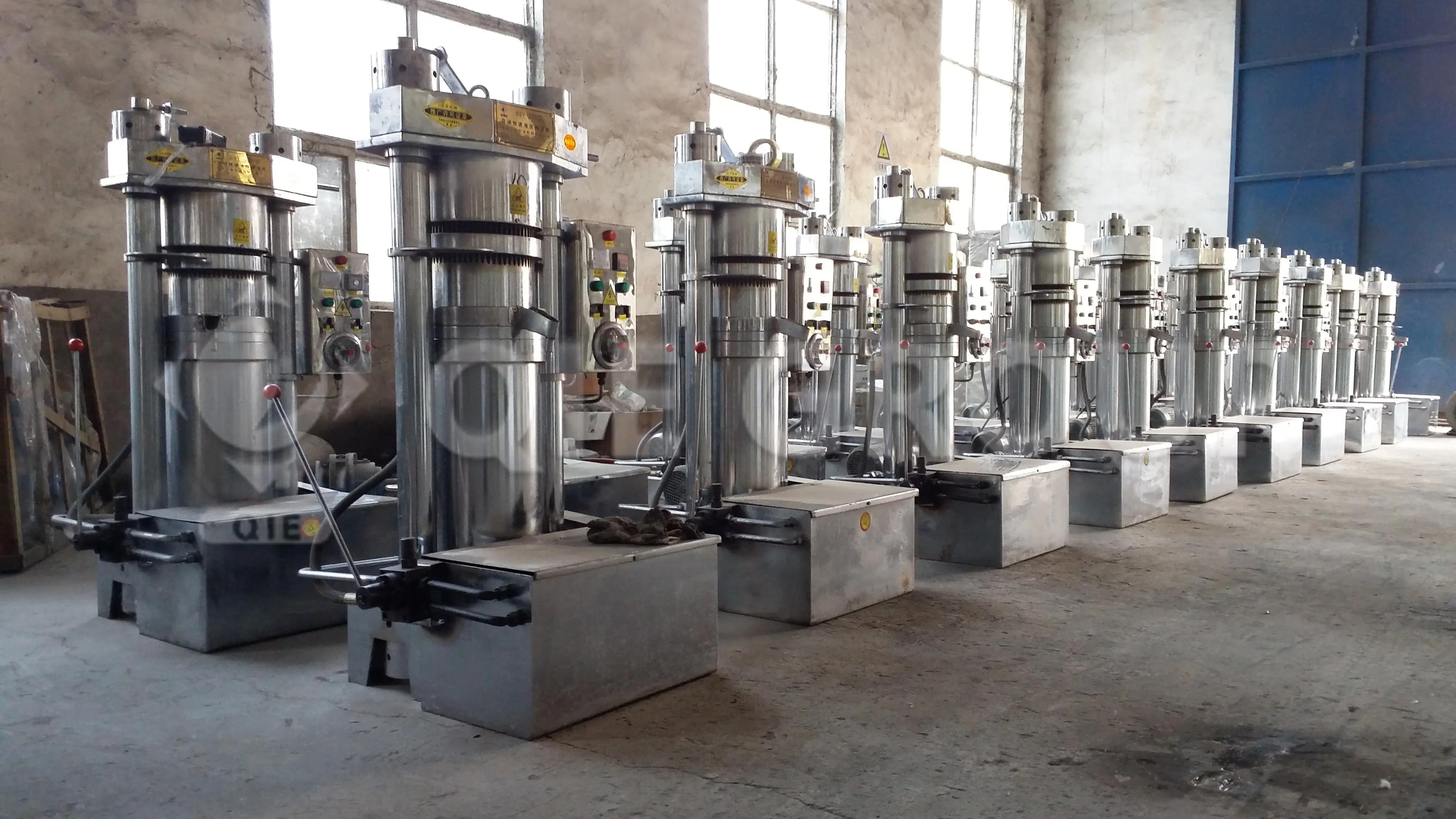
| Hydraulic Oil Press | Low-temperature pressing, high-quality oil, smaller footprint | Premium cold-pressed lines & small-scale processing |
| Cold Press Equipment | Excellent preservation of natural nutrients and native flavor | High-value organic healthy edible oil products |
| Hot Press Equipment | Higher oil yield and rapid throughput suited for industrial lines | Medium and large commercial scale projects |
| Comparison Point | Cold Press Solution | Hot Press Solution |
|---|---|---|
| Oil Quality | Better preservation of natural nutrients & light color | Stronger traditional aroma; dark clear hue |
| Oil Yield | Relatively lower residual oil retention in cake | Relatively higher extraction rate per ton |
| Energy Consumption | Lower thermal energy demands | Slightly higher due to steam/roasting phase |
| Product Positioning | Premium, targeted gift, boutique wellness markets | Mass retail, industrial food production, high volume |
| Recommended Users | High-value specialized oil producers | Companies focusing on capacity & cost control |
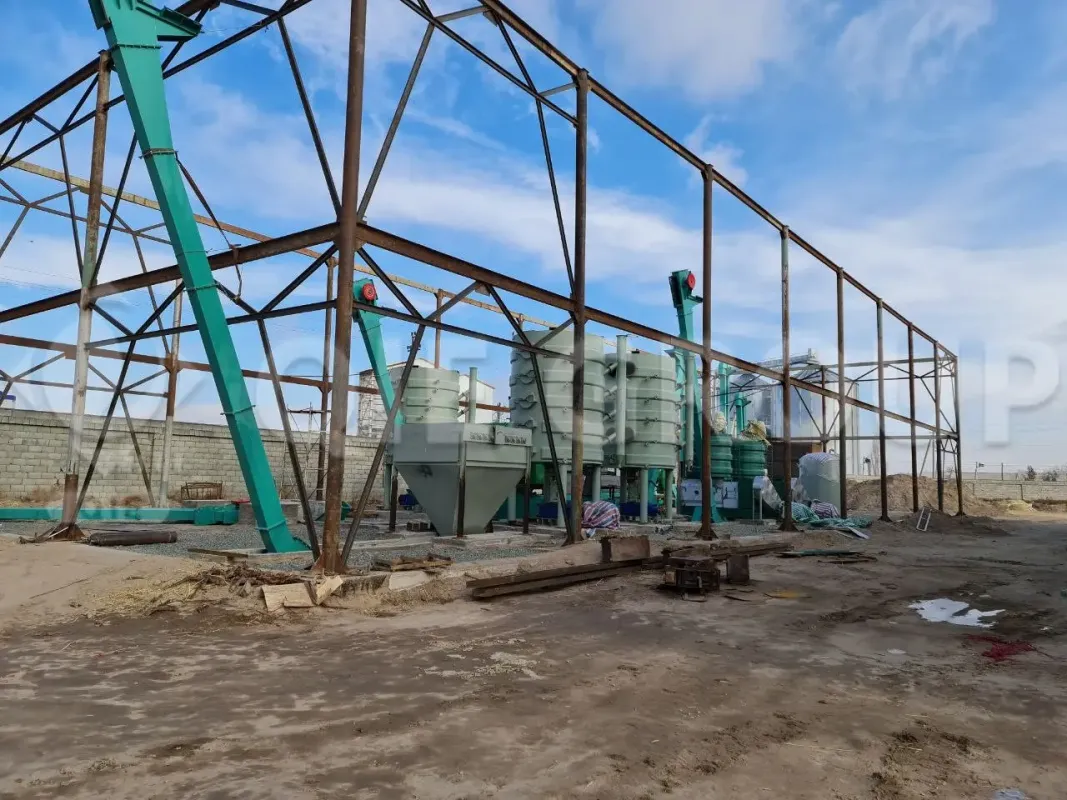
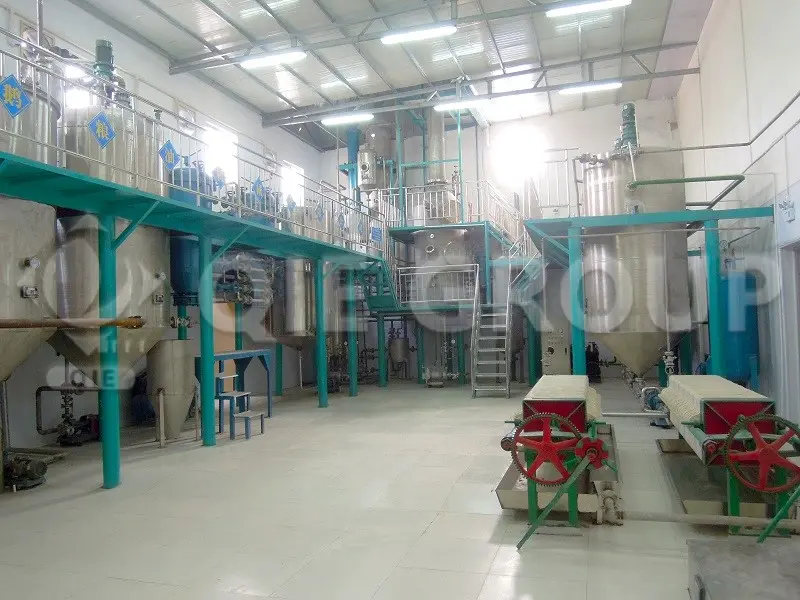
Many first-time investors believe that purchasing one oil press machine is enough to start production. In reality, a modern plant operates as an integrated system containing several matching processing modules:
For large-scale projects, automated conveying networks, bulk storage silos, and intelligent packaging control systems are deeply integrated to achieve streamlined operations.
Instead of focusing solely on the price of a single machine, investors should evaluate solutions methodically:
1–20 TPD : Single screw oil press or hydraulic system — ideal for startups and agricultural cooperatives.
10–30 TPD: Continuous complete pretreatment + pressing + filtration turnkey lines.
Above 50 TPD: Fully automated lines integrating heavy refining setups for massive industrial scale.
If targeting premium organic niches, prioritize low thermal impact. If capturing the broad consumer market, lean heavily on throughput consistency, stable utility energy demands, and minimized cake oil residues.
Select flexible configurations that permit module add-ons later, preventing redundant investments or structural bottleneck overhauls when your market demands scale up.
A common misconception is that oil yield depends exclusively on the pressing machine. In reality, it is a multi-variant equation:
❌ Only Focusing on Upfront Sticker Price: Ignoring operational energy costs, wear-part life spans, and high residual oil losses in low-grade machines.
❌ Assuming All Seeds Can Be Pressed Directly: Skipping proper cleaning/dehulling triggers excessive chamber wear and lowers oil purity.
❌ Choosing Oversized Equipment Solutions: Unbalanced scaling creates high idled overhead costs when seed supply fluctuates seasonally.
Tea seed extraction systems serve edible oil enterprises, agricultural co-ops, and contract processing plants. Importantly, high-quality screw oil presses are versatile: they can also be calibrated to process auxiliary oilseeds such as soybeans, peanuts, sesame, or sunflowers, drastically improving your yearly plant utilization rates.
Yes, highly recommended. Proper dehulling prevents shell fibers from absorbing target oils, lowers machine wear, and expands daily processing throughput capacities.
For high-end organic premium markets, choose cold pressing. For industrial mass market outputs focusing on maximum extraction volume and cost containment, hot pressing delivers better financial returns.
It depends on your target market regulations. Pure boutique oils can navigate basic mechanical filtration alone. However, mass commercial variants require refining to eliminate impurities, smoke points irregularities, and odor compounds for safe shelf life.
A tea seed oil press machine is the mechanical heart of your processing layout, but long-term commercial success rests entirely upon balanced engineering integration. Every segment—from precise seed conditioning to final filtering—dictates your final yield margins and competitive pricing structures.
QIE GROUP specializes in advanced vegetable oil processing equipment and comprehensive turnkey EPC projects. Regardless of your country, scale limits, or targeted niche markets, we design custom tailored tea seed oil blueprints including layout engineering, equipment manufacturing, professional installation, and technical commissioning.
Ready to configure your custom tea seed oil processing plant?
Get a Free Expert Solution & Quote Now 263
|
263
|
 Peanut Oil Extraction Process
Screw Oil Press Machine
Peanut Oil Production Line
Peanut Oil Processing
238
|
sesame oil processing
sesame oil production line
sesame oil pressing process
why sesame oil aroma varies
sesame oil hydraulic pressing technology
233
|
soybean oil pressing
oil yield optimization
edible oil processing
soybean oil production line
crude oil quality
466
|
rapeseed oil pressing production line
Rapeseed oil processing equipment
Pressing process
Edible oil production line design
Edible oil processing technology
454
|
Palm Oil Press
Single screw oil press
Double screw oil press
Oil refinery energy-saving equipment
Oil pressing equipment selection
Palm oil yield
Peanut Oil Extraction Process
Screw Oil Press Machine
Peanut Oil Production Line
Peanut Oil Processing
238
|
sesame oil processing
sesame oil production line
sesame oil pressing process
why sesame oil aroma varies
sesame oil hydraulic pressing technology
233
|
soybean oil pressing
oil yield optimization
edible oil processing
soybean oil production line
crude oil quality
466
|
rapeseed oil pressing production line
Rapeseed oil processing equipment
Pressing process
Edible oil production line design
Edible oil processing technology
454
|
Palm Oil Press
Single screw oil press
Double screw oil press
Oil refinery energy-saving equipment
Oil pressing equipment selection
Palm oil yield