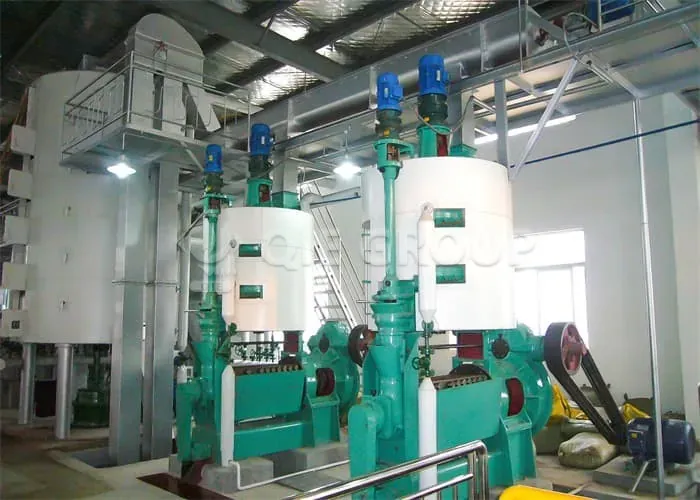
From upgrading a family workshop to launching a startup factory, QIE Group, as a turnkey supplier for edible oil processing projects, leverages its engineering expertise to help investors understand the selection logic, configuration, investment focus, and operational realities of vegetable oil pressing equipment.
For most small investors, the real question isn't just "can I buy the machine?" but rather "What should I buy? How do I configure it? How long until stable production? And can I upgrade later?" This guide addresses these practical concerns.
1. Why are small investors starting to enter the vegetable oil industry?
Are you deterred by high equipment costs? Or do you want to upgrade your workshop but don't know how to match your production capacity?
Amidst global supply chain fluctuations, regionalized, small-scale edible oil processing plants have demonstrated remarkable resilience. As a turnkey service provider specializing in edible oil engineering, QIE Group aims to help investors configure an efficient, reliable, and standardized machinery system with a reasonable investment.
2. What is vegetable oil pressing equipment?
Simply put, this is a mechanical system that converts oilseeds (such as peanuts, sesame seeds, sunflower seeds, soybeans, and rapeseed) into crude oil. The core component is the press, which uses physical compression to separate the oil from the cells.
Before choosing equipment, you must first determine the process. This directly determines your product positioning and pricing power. 👉 ( Cold-pressed vs. hot-pressed edible oil production )
| Feature | Cold pressing | Hot pressing |
|---|---|---|
| Pressing temperature | Usually < 60°C | It needs to be roasted at 100°C-120°C |
| Oil characteristics | Light color, preserves natural nutrients, mild flavor | Strong aroma (e.g., fragrant peanut oil), darker color |
| Oil yield | Lower (Higher residual oil in cake) | Higher viscosity (oil viscosity is reduced, making it easier to extract) |
| Applicable materials | Flaxseed, Walnut, High-end Sesame | Peanuts, soybeans, rapeseed, sunflower seeds |
| Market positioning | High-end supermarkets, Health-conscious | Farmers' markets, catering wholesale, mass consumption |
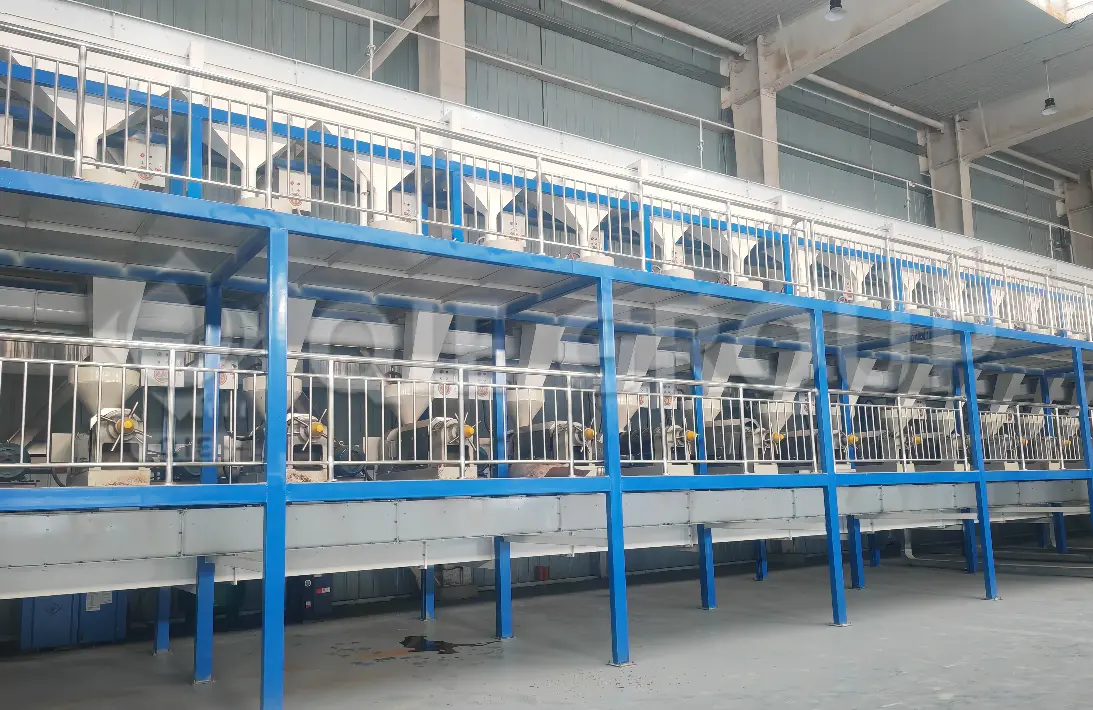
3. Modular Configuration for a Small Oil Mill
A stable small-scale oil mill setup requires more than just a single press. QIE Group recommends a modular engineering approach:
Preprocessing module
Cleaning screen and magnetic separator: Remove stones and iron filings, and protect the screw press from jamming or abnormal wear.
Shelling/crushing: Essential for peanuts and sunflower seeds; it reduces machine load and increases the protein value of the oil cake (a key byproduct).
Faking: For soybeans or rapeseeds, this breaks down the cellular structure for maximum extraction.
Pressing module
The core component is the screw oil press . QIE uses high-strength alloy steel and undergoes special heat treatment to ensure stable pressing chamber pressure and control the residual oil content of the cake at around 6%–7%.
Filtering module
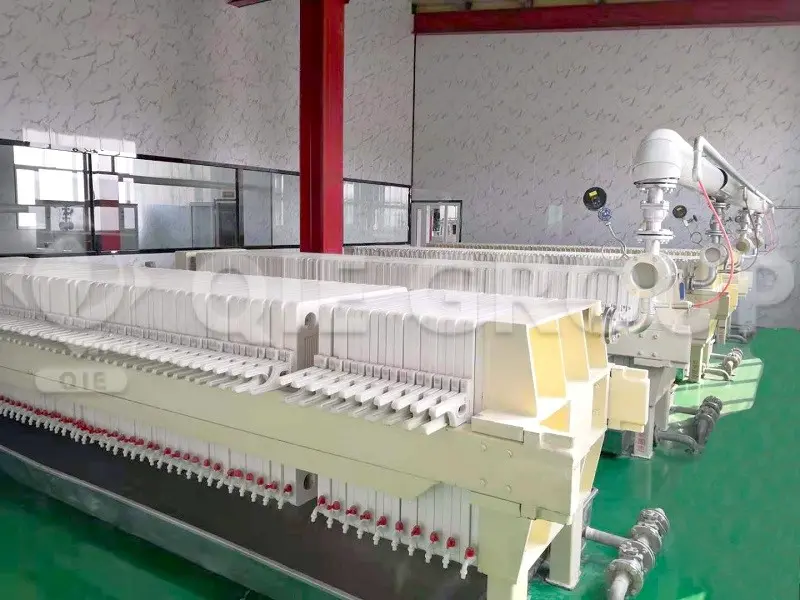
Plate & Frame or Centrifugal Filters: Removes fine fibers and solids, ensuring the oil is clear and transparent for bottling.
Small refining module
If your goal is to enter supermarket sales (Grade 1 oil standard), QIE can be configured with compact batch refining tanks (degumming, deacidification, decolorization, deodorization), eliminating the need for the high investment in large-scale continuous equipment.
4. Investment Cost Details
Based on our experience with international projects, we have broken down the investment ranges (FOB prices) for different scales.
| Project Scale | Daily Processing Volume (TPD) | Estimated equipment investment (USD) | Suggested application scenarios |
|---|---|---|---|
| Entry-Level | 1–10 TPD | $10,000 – $45,000 | Startups, Village-level processing |
| Standard small factory | 10–25 TPD | $55,000 – $130,000 | Regional brands, Medium farms |
| Medium-sized production line | 25–50 TPD | $160,000 – $380,000+ | Commercial factories with Refining |
5. The truth about "oil yield": material balance analysis
Why do others earn more with the same equipment? The secret lies in material balance control.
- Moisture control: For every 1% deviation in raw material moisture content, the oil yield may fluctuate by 0.5%.
- Wear of vulnerable parts: When the screw press wears beyond its limit, the pressure will drop sharply, resulting in an increase in the amount of oil carried away from the cake.
- Raw material purity: 1% impurities will remove approximately 0.5% of the oil. 👉( How to maximize peanut oil yield? )
Typical data reference:
Peanuts: Oil content 45%–55% —> Crude oil content 40%–45%
Soybeans: Oil content 18%–22% —> Crude oil content 12%–15% (Note: Small-scale linear pressing of soybeans is generally less efficient than solvent extraction)
6. Avoiding Pitfalls: 4 Tips for Startup Investors
Capacity planning should "leave room for expansion, not be ahead of schedule": It is recommended to reserve 20% of capacity expansion space, but do not directly purchase 100TPD equipment when there is no sales channel.
Pay attention to factory height: Many automated lifting equipment and woks require a factory ceiling height of more than 5 meters. Please consult our engineers before selecting a site.
Electricity is fundamental: small production lines often involve multiple motors with a large total starting power, so it is essential to confirm the local transformer capacity.
By-product sales: Oil cake (oil meal) is an important source of income (feed ingredient). Ensuring the pressed cake is not burnt or scorched is crucial for fetching a high price.
7. Why choose QIE GROUP's turnkey solution?
For small investors, the real challenge is often not buying the equipment, but turning it into a stable production line. The core value of the QIE Group lies in:
- Integrated design: from process layout to equipment selection, reducing the risk of interface mismatch between various links.
- Material advantages: We use fatigue-resistant alloy materials, which extend the life of vulnerable parts by 30% compared to the industry average.
- International experience: We have a deep understanding of voltage fluctuations and raw material characteristics in Southeast Asia, Africa, and Central Asia, and our equipment has stronger environmental adaptability.
- Full lifecycle support: including installation guidance, staff training, and recommendations for future equipment upgrades.
For startups, the value of turnkey solutions lies in overall collaboration. Equipment that can operate doesn't guarantee a stable oil production plant; and a plant producing oil doesn't guarantee the oil will meet sales requirements. Considering the process, equipment, installation, and commissioning within the same system significantly reduces risk.
8. Ensure projects are solid and returns are stable
Vegetable oil processing is a marathon, not a sprint. The best equipment is not the most expensive one, but the one that matches your raw materials, market, and cash flow.
If you are evaluating oil extraction equipment for small business, let’s discuss the facts. QIE Group prefers to finalize the solution before the sale, ensuring your project is a sustainable success.
QIE Group prefers to work with clients to clarify solutions, rather than simply selling equipment. Because a sustainable project is always more valuable than a seemingly cheap list of items.
Want to know which vegetable oil pressing equipment solution is best suited for your raw materials?
Tell QIE Group your production capacity target, oil type, and plant conditions, and we can assess a more suitable small-scale edible oil production line configuration for you.
Consulting on Vegetable Oil Pressing Equipment Solutions