
How much does it cost to build a walnut oil processing plant? For investors planning to enter the walnut oil processing industry, this is one of the first questions to answer before starting a project.
However, there is no single standard price for a walnut oil processing plant. Depending on processing capacity, raw material form, pressing technology, refining requirements, automation level, factory conditions, and utilities, the investment required for a small cold-pressed walnut oil plant can be several times lower than that of an industrial-scale plant with refining and automated packaging.
More importantly, the price of walnut oil processing equipment is not the same as the total investment in a walnut oil processing plant. A complete project may also require factory construction and civil works, utilities, storage tanks, packaging equipment, installation and commissioning, transportation, and working capital after startup.
Therefore, whether you are planning a 5–20 TPD small walnut oil project or a 20–50 TPD or larger commercial processing plant, the right investment approach is:
First, the following figures should be understood as preliminary budget reference ranges for typical project configurations, not fixed market prices or final quotations. Actual investment can vary depending on equipment materials, automation level, project location, factory conditions, transportation, installation, local labor, and engineering costs.
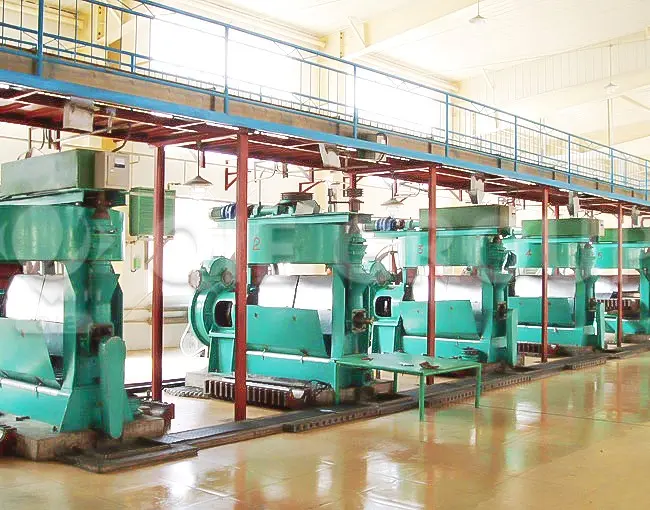
| Project Scale | Typical Raw Material | Typical Process | Equipment Budget Reference | Total Project Investment Reference |
|---|---|---|---|---|
| 5–10 TPD | Walnut kernels | Cold pressing + filtration | $30,000–$70,000 | $80,000–$180,000 |
| 10–20 TPD | Whole walnuts / walnut kernels | Pretreatment + pressing + filtration, optional refining | $100,000–$220,000 | $250,000–$500,000 |
| 20–50 TPD | Whole walnuts / walnut kernels | Continuous pressing + filtration + refining | $250,000–$600,000 | $600,000–$1,500,000+ |
| 50 TPD+ | Depending on raw material | Industrial continuous processing + refining + packaging | Project-specific | Project-specific |
These figures should not be treated as final quotations. For example, two 20 TPD projects can have very different investment requirements. One may purchase already-shelled walnut kernels and only require pressing, filtration, and filling, while another may process whole walnuts and require cleaning, grading, shelling, kernel separation, kernel preparation, and a larger factory.
Therefore, a meaningful quotation should be based on a complete process design and equipment list, rather than the price of individual machines.
The total investment in a walnut oil plant is mainly affected by the following factors:
| Cost Factor | Impact on Investment |
|---|---|
| Daily processing capacity | Affects equipment size, number of machines, factory area, and utility requirements |
| Raw material form | Whole walnuts require shelling, grading, and kernel separation systems |
| Cold pressing or hot pressing | Hot pressing generally requires conditioning, cooking, and heating systems |
| Hydraulic or screw pressing | Different equipment has different capacity, automation, and product positioning |
| Filtration requirements | Premium products may require finer filtration and purification |
| Refining requirements | Degumming, deacidification, bleaching, deodorization, etc. |
| Automation level | PLC control, automatic conveying, filling, and packaging increase initial investment |
| Packaging format | Bottling, drums, and fully automatic packaging require different configurations |
| Factory conditions | New construction and use of an existing factory have significantly different costs |
| EPC scope | Engineering design, installation, commissioning, and training affect project cost |
Therefore, investors should distinguish between four concepts:
This distinction is essential when evaluating the cost of a walnut oil processing plant.
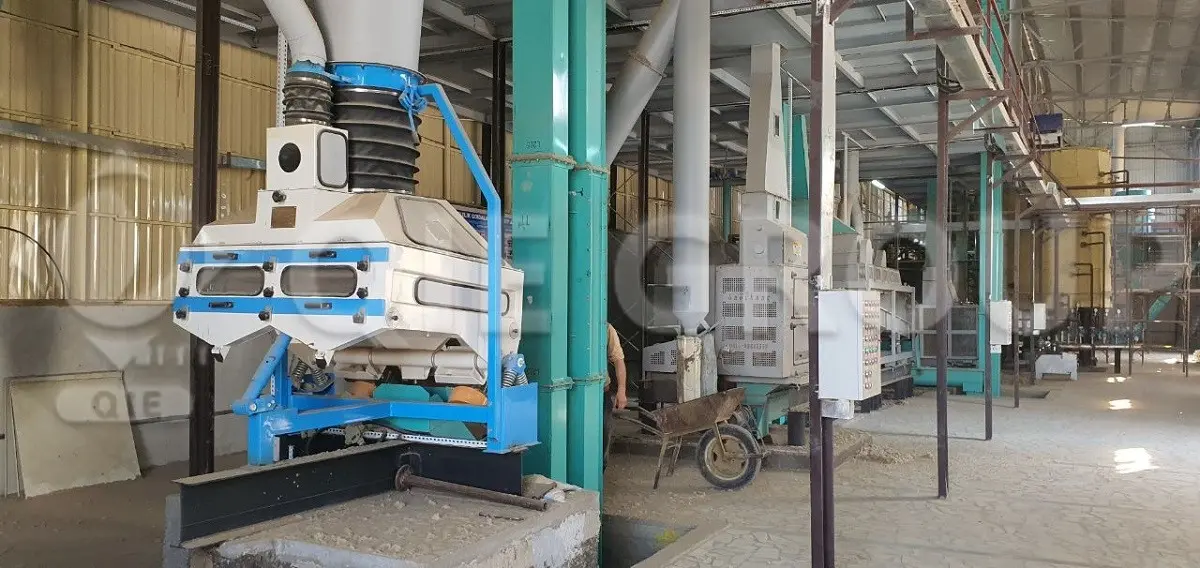
Walnut oil processing projects generally follow one of two raw material models.
If walnuts are abundant locally and whole walnuts offer a cost or supply advantage, the plant can process the raw material from the whole fruit.
A typical process is:
This model allows the plant to cover more stages from raw material processing to oil production and can also provide opportunities to utilize walnut shells and other by-products.
However, it requires additional equipment such as:
As a result, the initial equipment investment and factory space requirements are generally higher.
If a mature walnut shelling and processing supply chain is available locally, purchasing qualified walnut kernels directly can reduce front-end equipment requirements and factory space.
A simplified process can be:
This model is particularly suitable for small premium cold-pressed walnut oil projects or investors looking to reduce initial fixed-asset investment.
Therefore, whether the plant processes whole walnuts or walnut kernels is itself a key variable in walnut oil plant cost calculations.
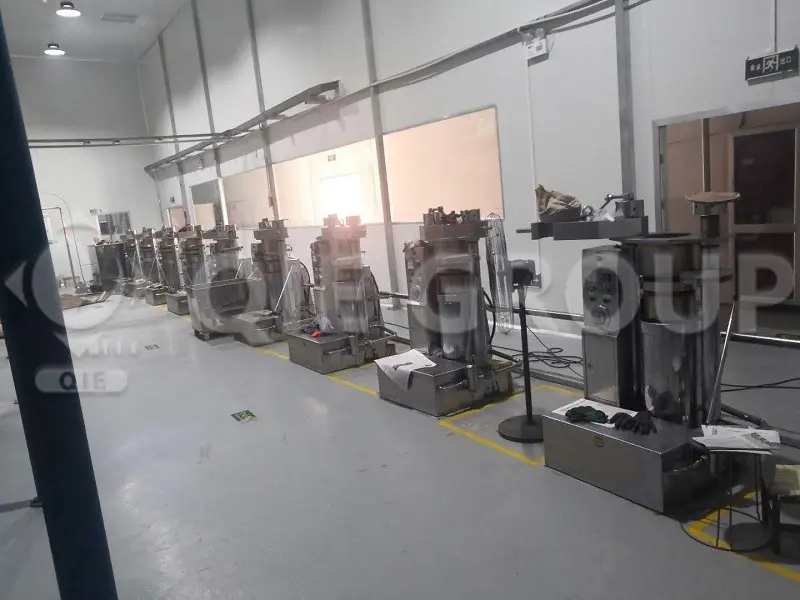
This is one of the most important decisions affecting both equipment configuration and product positioning.
| Item | Cold Pressing | Hot Pressing |
|---|---|---|
| Process characteristic | Minimizes unnecessary heat impact during pressing (< 60℃) | Material is heated or conditioned before pressing |
| Product positioning | Emphasizes natural characteristics and premium positioning | Emphasizes commercial-scale production and oil recovery |
| Equipment requirements | Requires good temperature control | Requires conditioning/cooking and heating systems |
| Production efficiency | Needs to be evaluated according to specific equipment and process | Generally suitable for larger continuous production |
| Downstream processing | Filtration and purification, with additional processing if required | Refining is often more important |
| Typical application | Small and medium specialty oil projects | Medium and large-scale standardized production |
Cold pressing focuses on minimizing unnecessary heat exposure during processing and is particularly suitable for markets emphasizing natural characteristics, raw material quality, and product differentiation.
A typical process is:
Depending on product specifications, some projects may add winterization/dewaxing or other purification processes.
Hot pressing involves heating or conditioning the material before pressing. One of its objectives is to improve pressing conditions, production efficiency, and oil recovery.
A typical process is:
Hot-pressed projects require additional heating and conditioning equipment, so the initial engineering configuration differs from a cold-pressed project.
There is no single process that is suitable for every walnut oil plant.
If the objective is a premium differentiated product, cold pressing may be more appropriate. If the objective is large-scale standardized production, continuous hot pressing and refining should be evaluated.
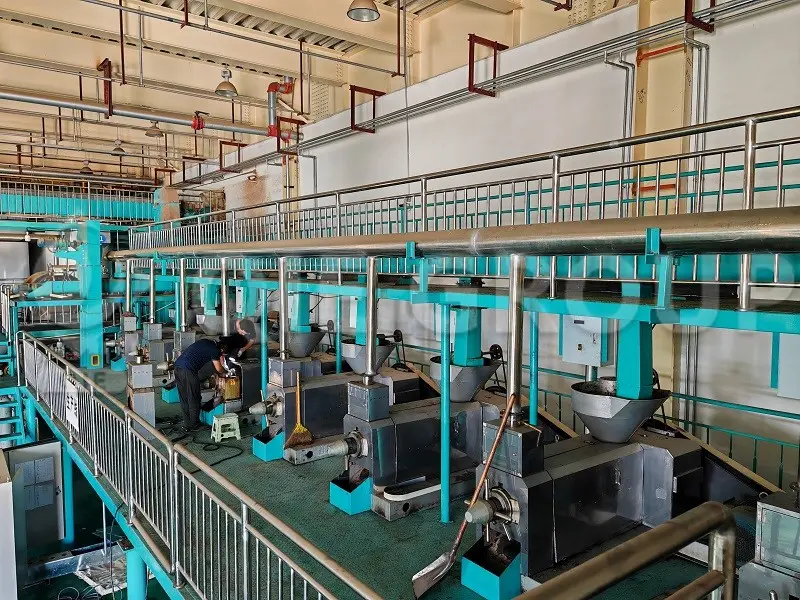
The choice of pressing equipment also directly affects project investment.
Hydraulic pressing is generally suitable for small-scale, batch-based production and projects that emphasize traditional mechanical pressing and product characteristics.
Screw pressing is generally more suitable for continuous production and higher processing capacities.
However, its continuous production capability and hourly processing capacity need to be evaluated according to the specific machine and project requirements.
Therefore:
For a 5–10 TPD small specialty walnut oil project, a hydraulic press can be considered; for commercial projects of around 20 TPD and above, continuous screw pressing is often worth evaluating.
However, the final equipment selection should be based on walnut kernel oil content, moisture content, target product, actual throughput, and other process conditions.
The complete equipment configuration should be determined according to the raw material and process route.
If the plant starts with whole walnuts, equipment may include:
The pressing section may include:
Separates crude oil from solid particles and fines:
Some projects may also require winterization / dewaxing depending on target markets.
If the plant purchases walnut kernels directly, some front-end equipment can be eliminated. Conditioning or cooking equipment is mainly applicable to hot-pressing processes. However, it is important to emphasize that:
Not every walnut oil project requires a complete refining system.
For premium cold-pressed walnut oil, the plant may use filtration, settling, dewaxing, or other suitable downstream treatment depending on product specifications and market requirements.
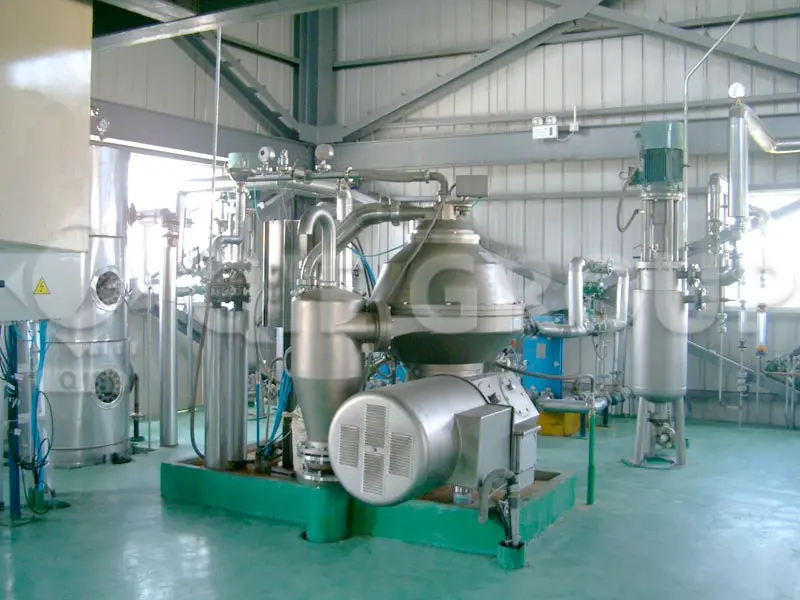
For projects aiming to improve raw material utilization, a second pressing stage can be considered.
One possible process is:
A second pressing stage can recover additional residual oil from walnut oil cake. However, adding a second pressing stage does not automatically mean that the project will be more profitable.
Investors should evaluate:
Therefore, whether to add a second pressing stage should be determined through material balance and economic analysis, rather than simply pursuing the highest theoretical oil recovery rate.
This is one of the areas most often overlooked by first-time investors.
Therefore, the project financial model should calculate CAPEX and working capital requirements separately.
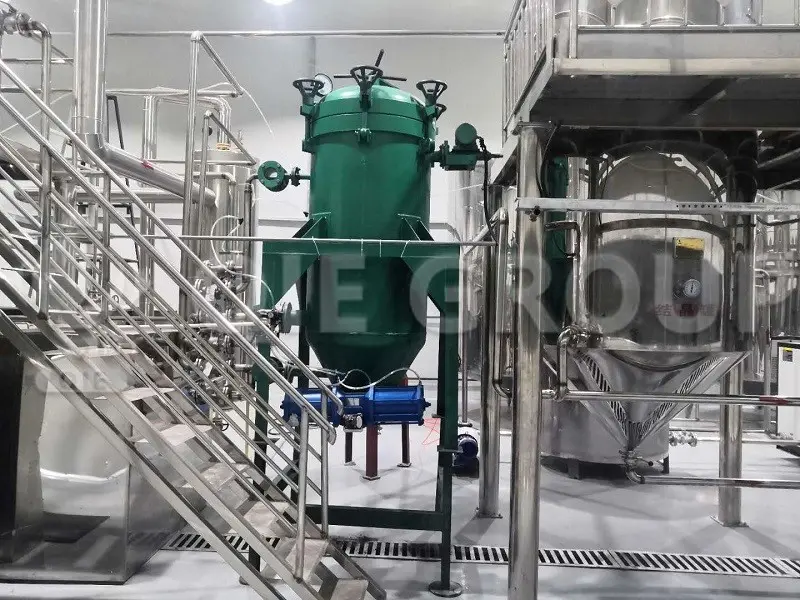
After the equipment has been purchased, long-term profitability mainly depends on operating costs.
Annual operating costs can generally be divided into:
Raw material cost is often one of the most important variables. For example:
However, the required raw material quantity should not be calculated simply from the theoretical oil content. It is important to distinguish:
Theoretical Oil Content ≠ Pressing Recovery Rate ≠ Finished Oil Yield
Actual oil production can be affected by:
Therefore, when preparing a serious investment calculation, investors should request a material balance based on the actual raw material and process conditions.
Investors should not only ask: “How much does the equipment cost?” A more meaningful question is:
“How much finished oil can the plant produce annually, how much raw material is required per ton of oil, and what is the total processing cost per ton of finished oil?”
The basic calculation framework is as follows.
However, actual ROI cannot be calculated separately from market conditions. At minimum, the following information should be considered:
Therefore, it is not advisable to use a fixed statement such as “a walnut oil plant can recover its investment in X years” for every project.
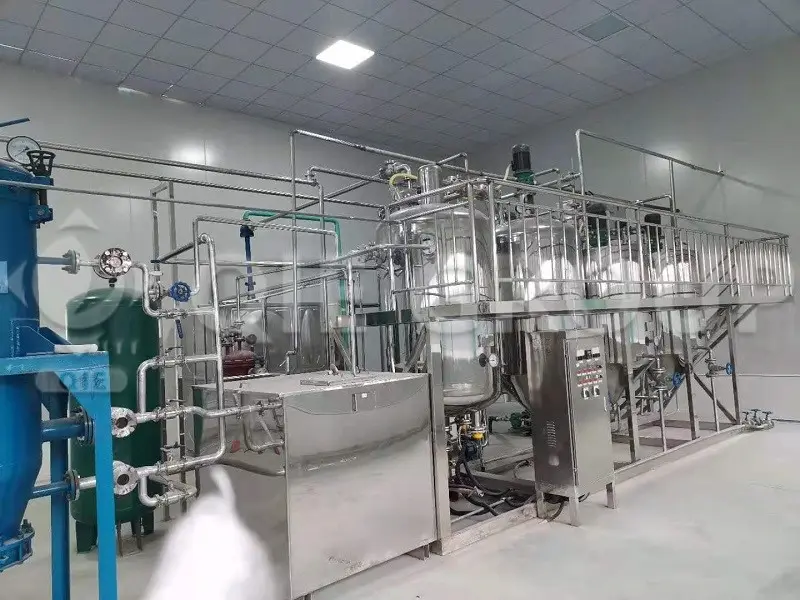
If the investment budget is limited, several approaches can be considered.
If a mature local shelling supply chain is available, purchasing walnut kernels directly can reduce investment in shelling, grading, and kernel separation equipment.
Do not select a large processing line simply because the unit equipment cost may appear lower at larger capacities. If the plant can only operate at 30% utilization, the fixed costs associated with a large production line may create additional operating pressure.
A specialty cold-pressed product does not necessarily require a complete refining system. For standardized bulk edible oil, however, the investor should evaluate the need for comprehensive refining capacity.
Reduce initial capital expenditure and expand according to market demand:
A 5–10 TPD project may not need a highly automated filling and palletizing system. For projects above 50 TPD, however, greater attention should be given to: PLC control, automatic conveying, automatic metering, automatic packaging, and production monitoring.
The automation level should match the processing capacity, labor cost, and local operating conditions.
If you have not yet determined the plant capacity, the following framework can help:
| Project Situation | Solution Worth Considering |
|---|---|
| New to the market, limited budget | 5–10 TPD cold pressing |
| Stable walnut kernel supply | 10–20 TPD pressing + filtration |
| Stable raw material and sales channels | 20–50 TPD continuous production |
| Large retail or wholesale market | 50 TPD+ industrial-scale production |
| Standardized edible oil product | Pressing + refining + packaging |
| Premium specialty oil | Cold pressing + fine filtration/purification |
The most important principle is:
If you are ready to request a quotation from an equipment supplier, provide the following information as completely as possible.
The more complete the information, the closer the quotation will be to the actual project cost.
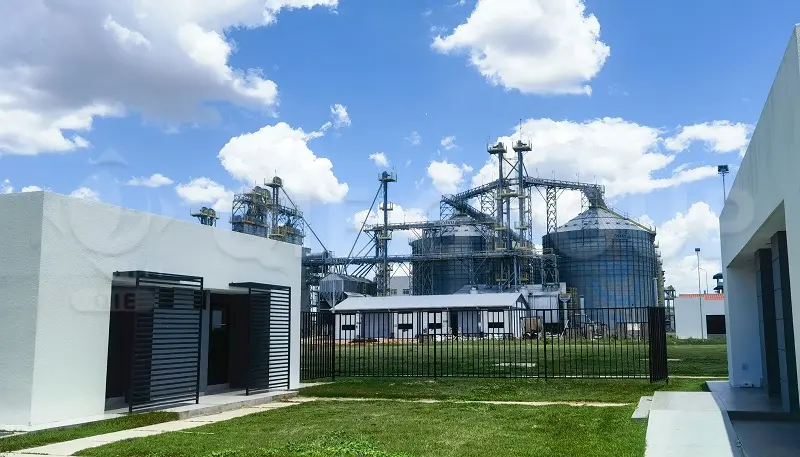
For a walnut oil project, the real value is not simply supplying one oil press. The more important task is to design a complete processing solution based on the customer's actual conditions.
QIE GROUP can develop walnut oil processing solutions around:
Depending on project scale and product requirements, the solution can include:
For overseas projects, equipment, installation, commissioning, and engineering service requirements can also be evaluated according to the actual project site conditions.
There is no standard, fixed price for building a walnut oil processing plant. The factors that truly determine the cost are:
Therefore, if you are planning to build a walnut oil processing plant, the most useful next step is not simply to ask, “How much does a walnut oil press cost?”
Instead, provide an engineering supplier with your raw material type, target capacity, product positioning, project location, and existing factory conditions, and request a project-specific investment calculation based on a complete process design.
QIE GROUP can provide an integrated EPC turnkey solution covering process design, equipment configuration, plant layout, equipment manufacturing, installation and commissioning, and operator training according to the actual requirements of the walnut oil project.
 135
|
135
|
 Peanut oil press improves oil yield
Peanut oil press pretreatment method
Peanut oil press operation techniques
Peanut oil press machine for high-efficiency pressing
Peanut oil press process optimization
122
|
Industrial Cottonseed Oil Expeller
Industrial Oil Press
Cottonseed Oil Production Line
High-Efficiency Oil Press
Cottonseed Oil Processing Equipment
141
|
sunflower seed oil press machine
sunflower oil pressing line
sunflower oil extraction machine,
edible oil press machine
sunflower oil press machine
239
|
twin screw palm fruit oil press
palm oil press machine supplier
palm oil extraction efficiency
palm oil mill machinery equipment
127
|
rapeseed oil pressing
rapeseed oil pressing challenges
rapeseed oil pressing process
rapeseed oil pretreatment
rapeseed oil processing plant engineering
Peanut oil press improves oil yield
Peanut oil press pretreatment method
Peanut oil press operation techniques
Peanut oil press machine for high-efficiency pressing
Peanut oil press process optimization
122
|
Industrial Cottonseed Oil Expeller
Industrial Oil Press
Cottonseed Oil Production Line
High-Efficiency Oil Press
Cottonseed Oil Processing Equipment
141
|
sunflower seed oil press machine
sunflower oil pressing line
sunflower oil extraction machine,
edible oil press machine
sunflower oil press machine
239
|
twin screw palm fruit oil press
palm oil press machine supplier
palm oil extraction efficiency
palm oil mill machinery equipment
127
|
rapeseed oil pressing
rapeseed oil pressing challenges
rapeseed oil pressing process
rapeseed oil pretreatment
rapeseed oil processing plant engineering


