
When crude oil produced by an oil press shows excessive sediment, high suspended solids, abnormal color, excessive moisture, abnormal odor, or unstable batch quality, many operators immediately ask: “Is there something wrong with my oil press?”
In reality, crude oil quality is not determined by the oil press alone.
From an oil processing engineering perspective, pressed crude oil quality can be affected by the entire process:
Therefore, when oil quality deteriorates, you should not immediately replace the oil press. First, determine whether the problem comes from the raw material, pretreatment, pressing operation, machine condition, or post-press oil handling.
This article explains, from the perspective of screw oil press operation and vegetable oil pressing engineering, why an oil press may produce poor-quality crude oil, what should be checked first, when process parameters should be adjusted, when equipment should be repaired, and when replacing or upgrading the oil press may actually be necessary.
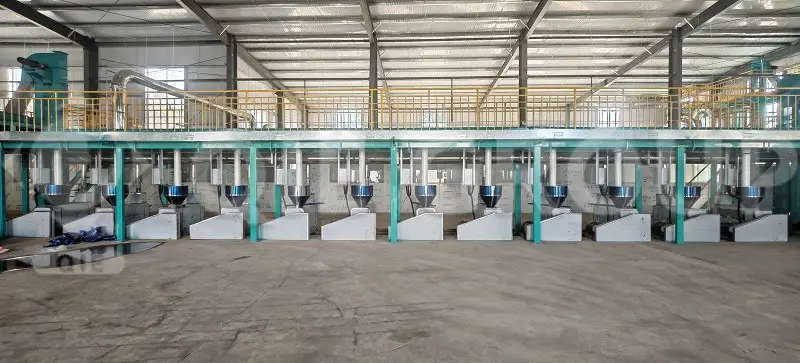
An oil press produces crude oil, not fully refined edible oil. Mechanically pressed crude oil naturally contains suspended solids, fine particles, moisture, gums, phospholipids, natural pigments, and free fatty acids. Therefore, turbidity or sediment alone does not mean the oil press has a fault.
Common abnormal crude oil indicators include:
Crude oil quality should be evaluated using actual production data and laboratory quality measurements, not appearance alone.
Low-quality crude oil from an oil press may result from raw material quality, cleaning, pretreatment, pressing conditions, equipment condition, or post-press handling. Follow this practical troubleshooting sequence:
| Possible Cause | Main Impact |
|---|---|
| Raw material quality | Freshness, moisture, impurities, oxidation, or deterioration |
| Cleaning and pretreatment | Material cleanliness, particle preparation and pressing behavior |
| Conditioning | Material temperature, moisture and physical condition |
| Pressing conditions | Interaction between feed rate, screw speed, outlet resistance and other operating variables |
| Oil press condition | Wear of the screw, press chamber and other mechanical components |
| Filtration and storage | Removal of solids, moisture management and storage stability |
Principle: Diagnose first, adjust second; confirm the cause before deciding whether to repair or replace equipment.
The freshness, storage condition, moisture content, impurity content, mold level, and degree of oxidation of oilseeds directly affect the color, odor, sediment content, and storage stability of crude oil. If the raw material has already deteriorated, adjusting press parameters will not fundamentally solve the oil quality problem.
If screening, destoning, or magnetic separation is incomplete, large foreign particles, sand, mud, and metallic impurities enter the press chamber. This increases crude oil sediment, elevates downstream filtration load, and accelerates component wear.
Oilseed crushing, flaking, cooking, and conditioning alter the material's physical structure and cell permeability. Different oilseeds—such as soybean, peanut, rapeseed, sunflower seed, or cotton seed—require different pretreatment parameters. Improper conditioning leads to excessive fines in the crude oil, incomplete rupture of the oil cell, or an unstable cake structure.
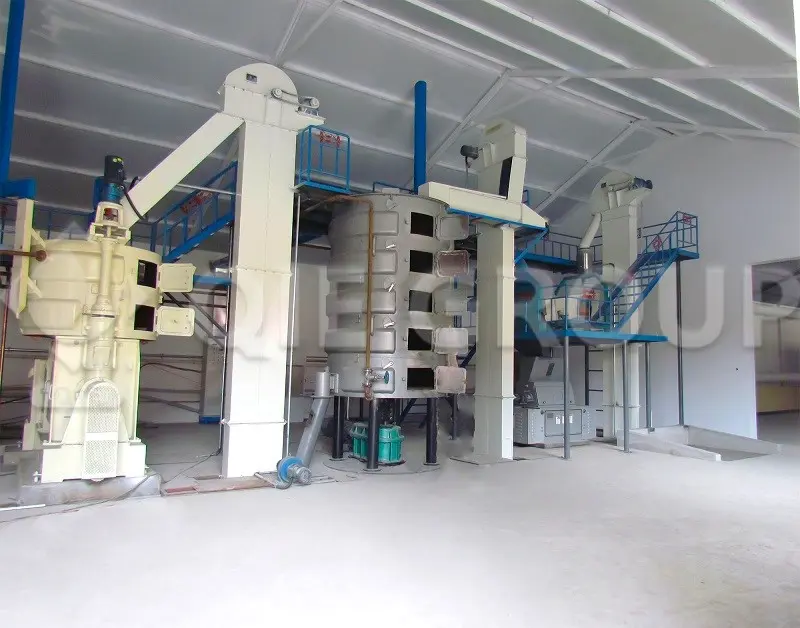
An uneven feed rate or an unmatched screw speed distorts pressure distribution inside the press chamber. Neither higher speed nor higher throughput is always better. Overfeeding leads to surging and excessive solids, while starvation leads to uneven pressure and erratic oil flow.
Reducing cake thickness increases pressing pressure, but excessive resistance is not indefinitely beneficial. Pushing outlet resistance too high causes motor overload, press chamber overheating, material scorching, and fine solids forced through the press bars into the crude oil.
Temperature inside the press chamber affects oil viscosity, pigment extraction, phospholipid solubility, and oxidation rate. Operating too cold reduces oil yield and increases mechanical friction, while operating too hot causes oil darkening, thermal oxidation, and burnt odors.
Wear on the pressing screw, press bars, cage lining, or discharge choke changes internal clearances and compression ratios. As components wear, material slippage increases, pressing pressure drops, residual oil in cake rises, and fine particle carryover in crude oil worsens.
Press cake condition provides direct visual feedback on press chamber behavior. Evaluating cake appearance alongside crude oil quality provides a reliable diagnostic signal for pressing performance.
Excessive sediment or solids content is the most common crude oil quality issue. It stems from high seed impurities, excessive fine generation, incorrect press bar gaps, or damaged downstream filtration media.
Dark crude oil color can result from natural pigment extraction, excessive thermal exposure, material oxidation, or simply fine suspended solids that make the oil appear dark before filtration.
Excessive water in crude oil triggers hydrolysis, increases free fatty acids (FFA), causes foaming during storage, and reduces filter efficiency. Moisture enters through raw materials, conditioning steam, or poor settling.
Off-odors indicate material degradation—either raw material spoilage before pressing, severe local overheating during pressing, or rapid oxidative rancidity in storage.
An oil press produces crude oil, not fully refined vegetable oil. Mechanical filtration removes solid particles, but cannot alter chemical parameters like high FFA, dissolved phospholipids, or deep color pigments.
Removes suspended solids, meal fines, and insoluble matter using settling tanks, plate filters, leaf filters, or bag filters.
Requires chemical or physical refining processes: Degumming, Neutralization, Bleaching, Deodorization, and Dewaxing.
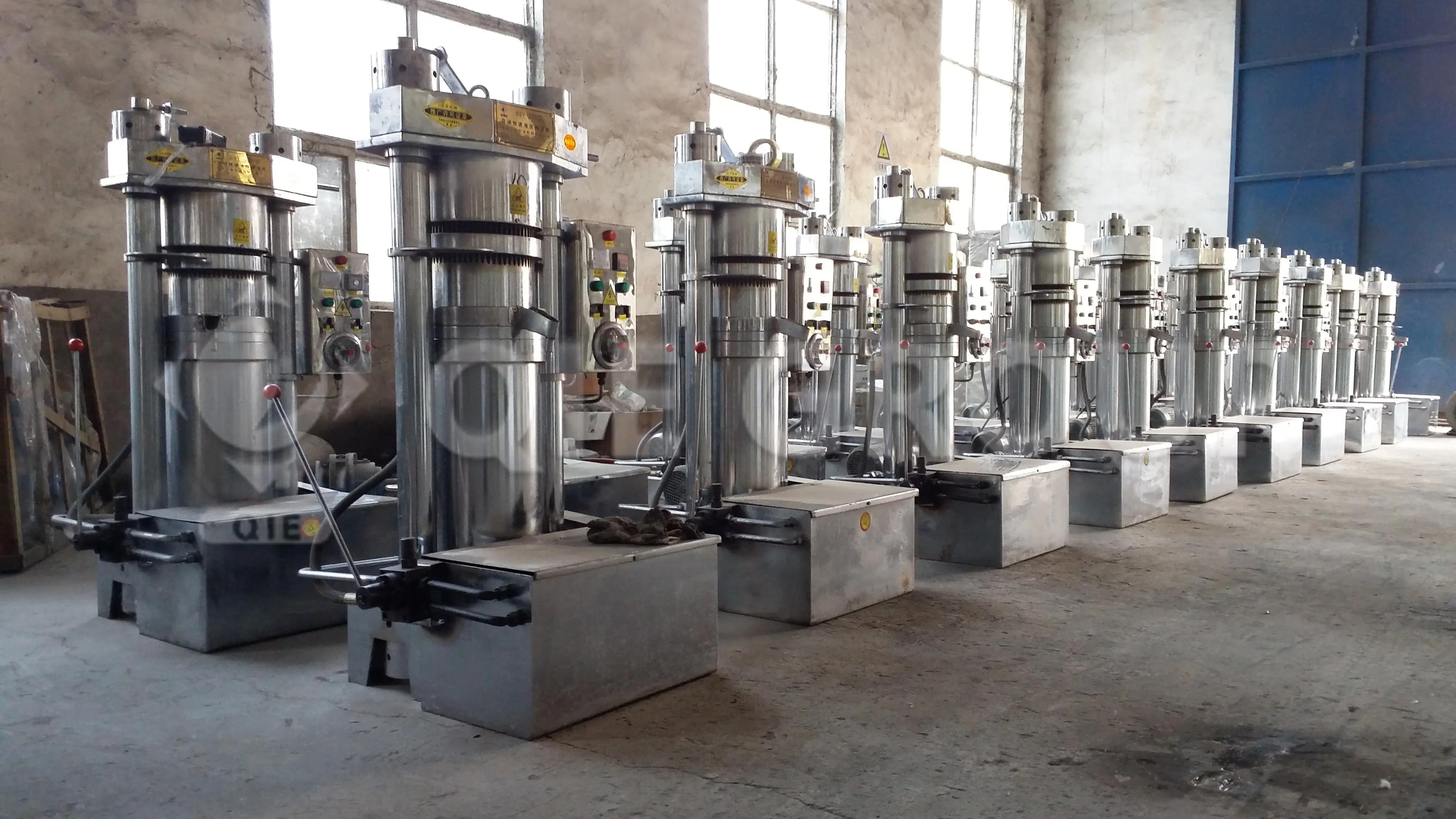
Even high-quality crude oil degrades quickly if post-press handling is poor. Immediate filtration, cooling, and dry, clean storage are essential to preserve quality before processing or sale.
| Observation | Priority Check |
|---|---|
| Problem changes significantly after changing raw material | Raw material |
| Raw material is stable, but conditioned material changes | Pretreatment/conditioning |
| Oil and cake change after operating conditions are adjusted | Pressing conditions |
| Raw material and process conditions are stable, but performance drops | Equipment condition |
| Freshly pressed oil is normal but deteriorates during storage | Storage/handling |
When seed batches change, feeding surges, conditioning varies, or cake outlet pressure is improperly set.
When physical wear on screws, press bars, bearings, or discharge mechanisms causes performance drops.
When machine capacity is systematically insufficient, failures are frequent, or process line matching fails.
Crude oil quality depends on the whole line: seeds, cleaning, conditioning, pressing parameters, wear, and post-filtration.
If quality changes with seed or conditioning adjustments, it's process-related. If performance steadily drops under stable process conditions, inspect the press.
No. Dark color often stems from seed pigments, thermal exposure in conditioning, or fine suspended solids easily removed via filtration.
Crude oil quality is the result of the entire pressing system. Maintain a suitable match between: Raw Material + Pretreatment + Feed Rate + Screw Speed + Outlet Resistance + Machine Condition.
Prepare these details for technical analysis from QIE Group:
Oilseed type · Daily processing capacity · Raw material condition · Existing oil press model · Pretreatment setup · Current operating parameters · Press cake condition · Specific crude oil issue
 358
|
358
|
 oil press troubleshooting low oil yield causes screw oil press repair residual oil in cake oil extraction efficiency oil press machine maintenance
240
|
oil press machine capacity oil mill plant oil pressing production line edible oil processing plant oil expeller supplier
125
|
rice bran oil pre-pressing stabilization screw press design extraction plant engineering oilseed pre-treatment
179
|
Large screw oil press Energy saving in peanut oil plants Processing of high oil content raw materials Low residual oil technology Application of oil pressing equipment
225
|
black seed oil processing equipment cold press black seed oil machine nigella sativa oil press black seed oil refining hydraulic vs screw oil press
oil press troubleshooting low oil yield causes screw oil press repair residual oil in cake oil extraction efficiency oil press machine maintenance
240
|
oil press machine capacity oil mill plant oil pressing production line edible oil processing plant oil expeller supplier
125
|
rice bran oil pre-pressing stabilization screw press design extraction plant engineering oilseed pre-treatment
179
|
Large screw oil press Energy saving in peanut oil plants Processing of high oil content raw materials Low residual oil technology Application of oil pressing equipment
225
|
black seed oil processing equipment cold press black seed oil machine nigella sativa oil press black seed oil refining hydraulic vs screw oil press


