In the sesame oil processing industry, a long-standing but often misunderstood question is:
Based on multiple EPC project design and commissioning experiences, we have observed a consistent conclusion:
The quality gap in sesame oil is mainly determined by three critical engineering stages:
A failure in any of these stages directly leads to noticeable differences in final product quality.
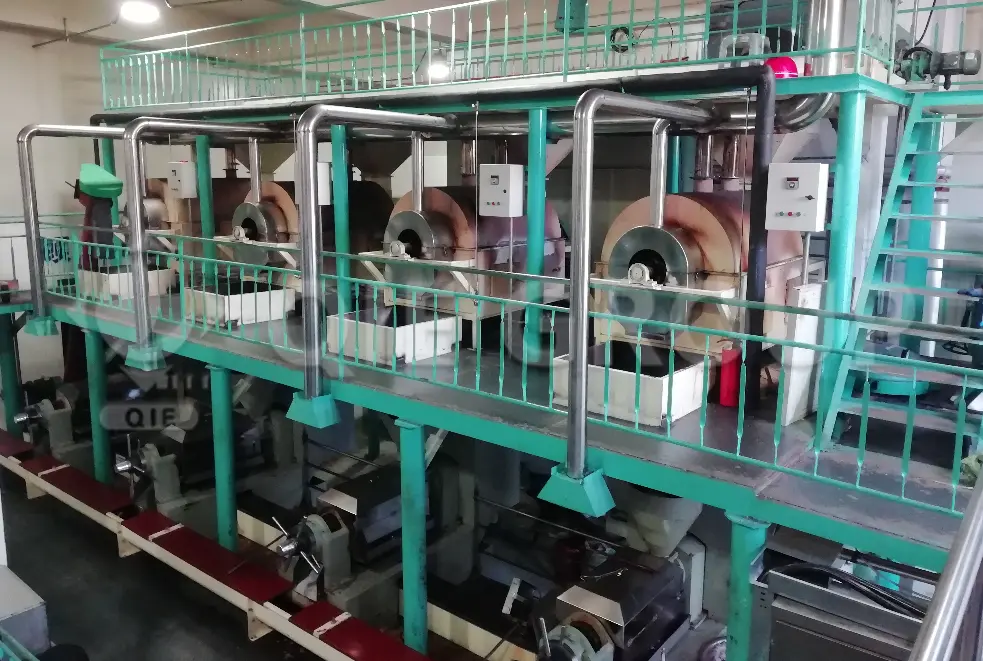
The characteristic aroma of sesame oil is formed through the Maillard reaction, which generates volatile compounds such as pyrazines under specific thermal conditions.
In engineering practice, roasting is not a fixed parameter process but a process window, influenced by:
Typical engineering operating ranges are:
However, in real EPC projects, the key issue is often not temperature setting, but:
We have encountered cases where roasting parameters were correctly set, but due to an inefficient conveying layout, the material stayed for more than 30 minutes before pressing, resulting in noticeable aroma loss.
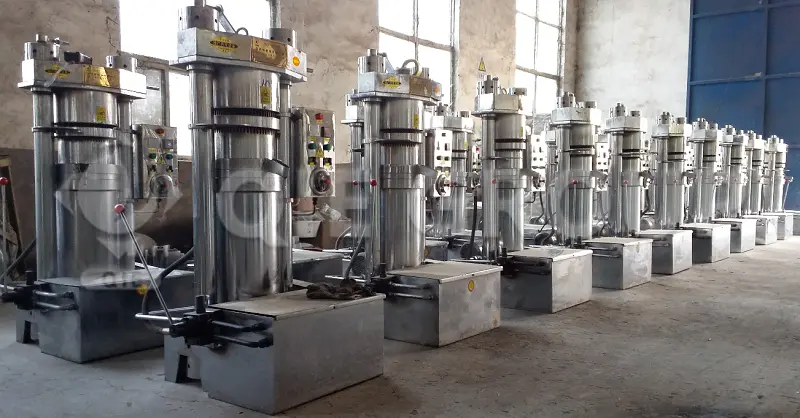
After roasting, sesame seeds already contain formed flavor compounds, but most of them are heat-sensitive and volatile.
Therefore, the pressing stage is not primarily about oil yield, but:
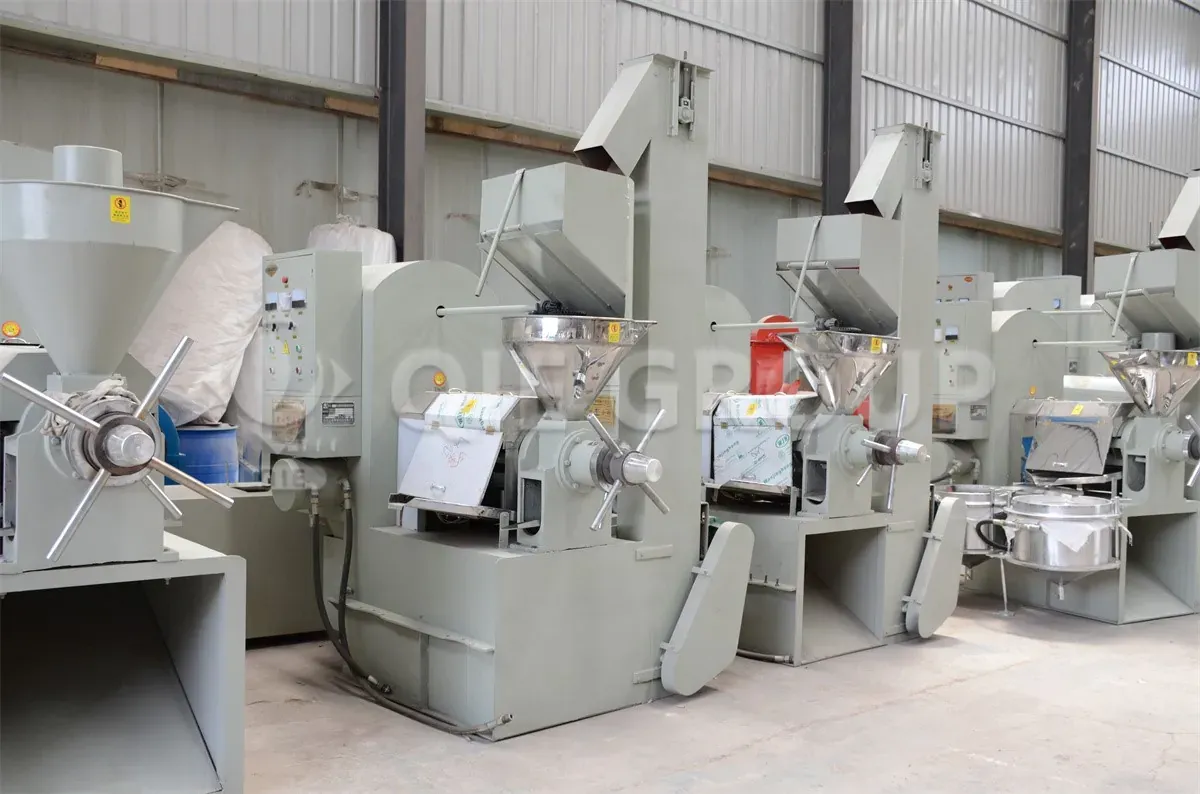
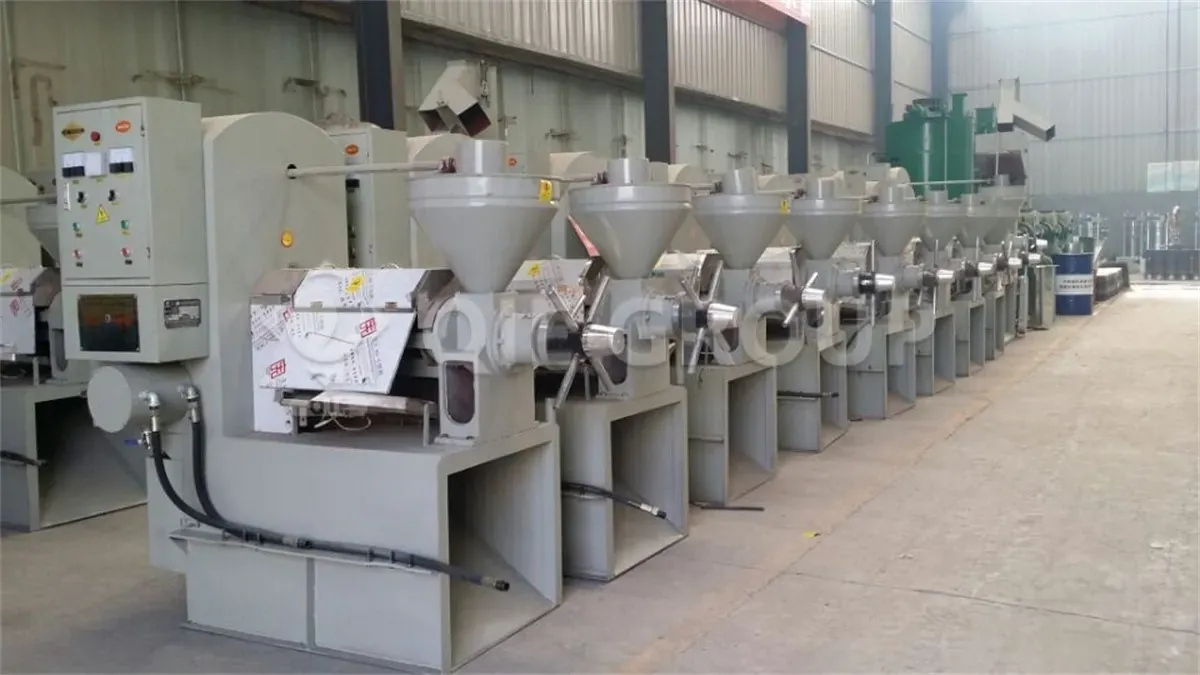
Screw oil presses are widely used in medium and large-scale production due to:
In sesame oil applications, key control factors include:
Typical operating material temperature is generally within:100°C–140°C
However, under high load conditions, local temperature spikes may still occur, affecting aroma stability. Thus, engineering focus is not only on average temperature, but: temperature stability across the entire pressing cycle.
Hydraulic oil pressing is commonly used in premium sesame oil projects where flavor preservation is prioritized.
Key characteristics:
In engineering configuration, roasted sesame is typically conditioned and fed into the system at approximately:around 100-120°C operating condition
The oil extraction process is slower but more stable, allowing better retention of natural roasted aroma compounds. The advantage is not efficiency, but: reduced uncertainty in flavor loss.
Engineering Conclusion
Across multiple EPC projects, we consistently observe: Temperature fluctuation and material residence time during pressing are key variables affecting aroma stability.
However, it must be emphasized: Different pressing technologies are not about superiority, but about product positioning.
Once sesame oil is pressed, it enters the “flavor stabilization stage.” Crude oil typically contains fine meal particles (<50 μm), colloidal matter, trace phospholipids, and suspended solids. If not properly treated, this leads to sedimentation, turbidity, aroma degradation, and shortened shelf life.
| Stage | Engineering Parameters & Target |
|---|---|
| 1. Natural Settling | Used to remove large particles and reduce filtration load. |
| 2. Closed Filtration System | Performed under controlled temperature conditions, typically: 60°C–70°C Filtration precision typically ranges: 5–20 μm |
Roasting capacity ≠ pressing capacity ≠ filtration capacity. Leads to material buffering or process interruption.
Excessive cooling or residence time between roasting and pressing leads to significant aroma loss due to temperature drop.
Many plants invest in upgrading individual machines (e.g., presses), but overlook process flow design, conveying time control, and system synchronization.
Ultimately, product quality is determined by system integration capability, not single machine performance.
In sesame oil EPC projects, we do not start from equipment selection. We start from three fundamental questions: What product are you targeting? Who is your target market? What is your production capacity structure?
Control roasting reaction window, minimize flavor loss pathways, and optimize transfer timing.
Hydraulic or screw press selected based on product positioning, closed conveying system design, and modular filtration configuration.
PLC-based centralized control of key parameters, synchronized process timing, and integrated thermal and material flow optimization.
The key factor is not raw material differences, but whether the entire processing system is engineered around aroma protection.
The three critical determinants are:
Q1: Is sesame oil quality mainly determined by raw material or process?
Raw material provides baseline oil content quality, but final aroma, stability, and market performance are primarily determined by processing technology.
Q2: How to choose between hydraulic and screw pressing?
The selection depends on product positioning: Hydraulic pressing is for premium, flavor-oriented sesame oil; Screw pressing is for large-scale, cost-oriented production. The decision should be based on market pricing structure, not equipment preference.
Q3: Why does sesame oil lose aroma over time?
Main reasons include incomplete removal of fine impurities, oxidation acceleration, improper storage conditions, and an insufficient crude oil handling system. This is typically a post-processing system issue rather than a pressing issue.
Q4: Is it possible to improve both yield and aroma simultaneously?
Yes, but only through system-level optimization: roasting uniformity control, pressing temperature stability, moisture and conditioning optimization, and process synchronization. Single-point improvements are limited.
Q5: Why do some plants produce unstable sesame oil quality even with good equipment?
Common causes include a mismatch between process design and equipment capacity, unsynchronized production stages, temperature loss during conveying, and lack of standardized process control. This is fundamentally a system integration issue.
Q6: What is the most overlooked engineering factor?
Residence time control between processing stages
Including roasting-to-pressing time window, thermal decay during transfer, and process timing synchronization. These often matter more than equipment selection itself.
If you are planning a sesame oil production project, the key question is not “which machine to buy,” but: What product positioning are you targeting? What is your production scale (TPD)? Should your process prioritize flavor or efficiency?
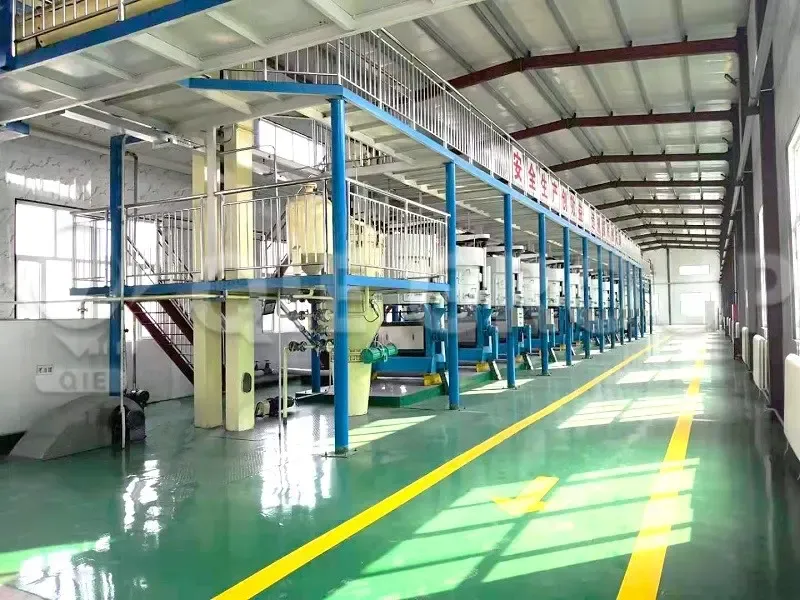
QIE Group provides EPC engineering solutions covering roasting, pressing, and crude oil clarification systems, helping plants achieve stable aroma performance and optimized production efficiency across different market segments.
 238
|
238
|
 Small vegetable oil pressing line
Edible oil processing plant equipment
Vegetable oil pressing plant
Complete oil pressing production line
Turnkey oil press project
465
|
sesame oil production line
sesame oil pressing
hydraulic sesame oil press machine
sesame seed roasting machine
sesame oil filtration
sesame oil processing
171
|
soybean oil press machine
soybean oil processing plant
edible oil processing equipment
soybean pre-pressing
pre-pressing and solvent extraction
439
|
Palm Oil Press
Single screw oil press
Double screw oil press
Oil refinery energy-saving equipment
Oil pressing equipment selection
Palm oil yield
251
|
rapeseed pressing process
Increased oil yield
Residual oil rate control
Screw oil press
Oil pretreatment
Small vegetable oil pressing line
Edible oil processing plant equipment
Vegetable oil pressing plant
Complete oil pressing production line
Turnkey oil press project
465
|
sesame oil production line
sesame oil pressing
hydraulic sesame oil press machine
sesame seed roasting machine
sesame oil filtration
sesame oil processing
171
|
soybean oil press machine
soybean oil processing plant
edible oil processing equipment
soybean pre-pressing
pre-pressing and solvent extraction
439
|
Palm Oil Press
Single screw oil press
Double screw oil press
Oil refinery energy-saving equipment
Oil pressing equipment selection
Palm oil yield
251
|
rapeseed pressing process
Increased oil yield
Residual oil rate control
Screw oil press
Oil pretreatment